
Despite the fact that Finnish classical music has only existed for little over a century, Finland has a lively classical music scene, with numerous fine concert halls throughout the country and 15 professional orchestras who have helped generate world class conductors such as Esa-Pekka Salonen, Jukka-Pekka Saraste and Sakari Oramo. Throw into the mix almost 3,000 choirs plus a host of international music festivals and the scene is set for Finnish composers to create works that not only resonate with local audiences but make an impact on the world stage. Here are just a few of them who have made their mark…
Bernhard Henrik Crusell (1775-1838)
The Last Warrior: Valhalla Son
Helsinki Baroque Orchestra
Aapo Haakinen (conductor)
Erkki Melartin (1875-1938)
Symphony No 3 in F Major Op 40: III. Scherzo
Tampere Philharmonic Orchestra
Leonard Grin (conductor)
Aulis Sallinen (b.1935 aged 88 years)
Kieliopillinen sarja (Suite Grammatical Op 28)
Der Erste Deklination
Tapiola Choir
Tapiola Sinfonietta
Osmo Vanska (conductor)
Jean Sibelius (1865-1957)
Symphony No 2 in D Major Op 43 IV Finale
Berlin Philharmonic Orchestra
Sir Simon Rattle (conductor)
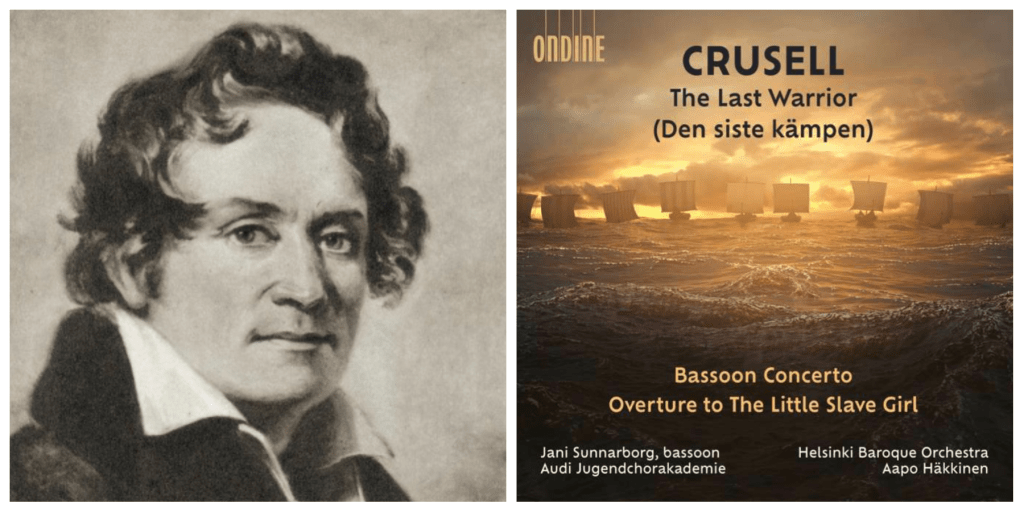
Bernhard Henrik Crusell was the most significant Finnish-born classical composer before Sibelius. He made his mark in Swedish cultural life as the Principal Clarinet at the Royal Court and gained a reputation as a composer and teacher. At the age of 46 Crusell cut back his concert schedule to focus on composition turning to vocal music, works for ceremonial purposes, and opera. The Last Warrior premiere took place in the Stock Exchange Hall in Stockholm on April 6, 1834.
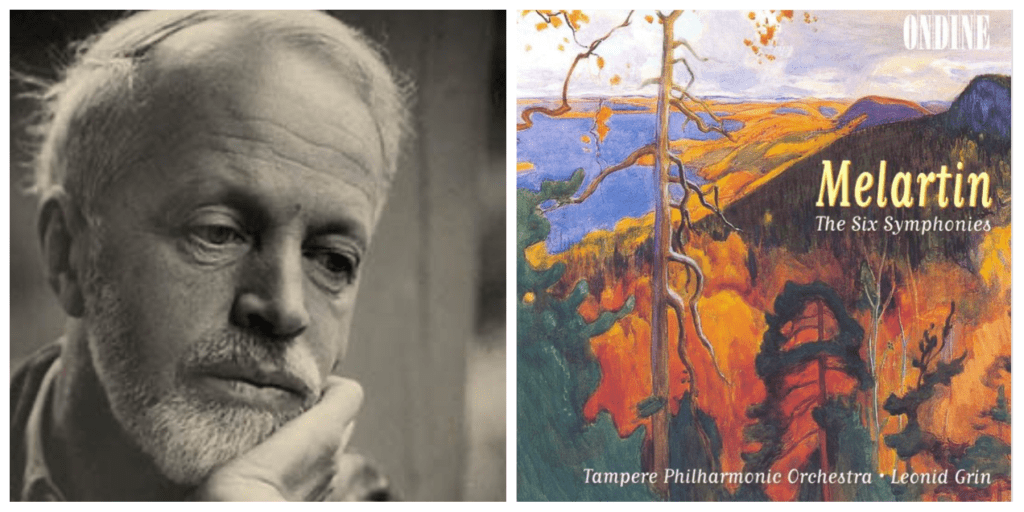
For decades, composer Erkki Melartin faded slowly into obscurity but today he is the subject of research. Recently produced editions of his music have made his works more accessible for performances by orchestras. Melartin was a key figure on the Finnish musical scene in his day, eventually becoming the Director of the Helsinki Music Institute (which later became the Sibelius Academy). His output was substantial but the symphonies and the opera Aino are his most significant works which, sadly, were forgotten after the composer’s death. At the premiere the Symphony No 3 in F Major Op 40 had an impact on its audience but was perhaps overshadowed by Sibelius’ Symphony No. 3 in C Major Op.52 which was premiered in the same year.
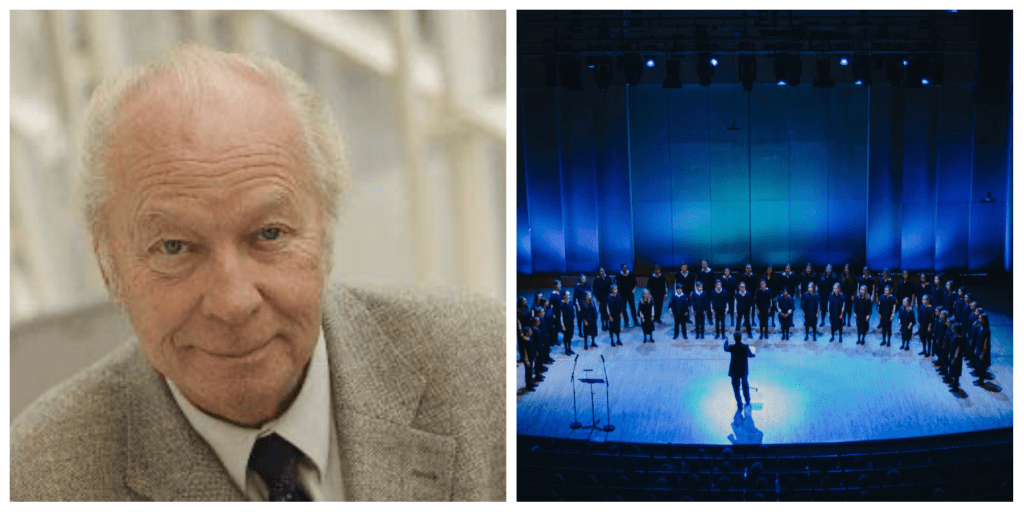
Aulis Sallinen can be justly regarded as the natural successor to the greatest Finnish composer, Jean Sibelius. After early experimentation with serialism, he adopted a clear, diatonic style that often evokes the cold expanse of Finnish landscapes. His music evokes a strong sense of national identity – Finnish traditional melodies often appear in Sallinen’s works – and the subject matter of several of his six operas draws on the history and folklore of Finland. Suite Grammatical is a work for for children’s choir and chamber orchestra and Sallinen himself conducted the premiere with Tapiola Choir in 1972.
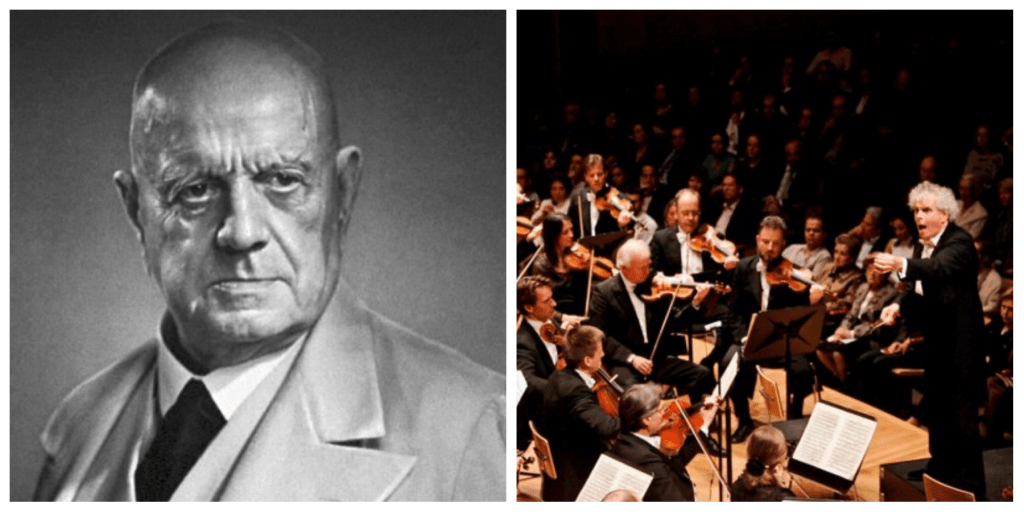
Jean Sibelius composed his Symphony No 2 between 1901-02 and the world premiere took place on March 8, 1902 with the composer conducting the Helsinki Philharmonic Orchestra in Helsinki. The symphony was a work that departed from the conventions of the genre but nonetheless pleased audiences from the outset. They also felt the new symphony to be an expression of the political conflict that was reigning over Finland at the time even though Sibelius objected to this interpretation, preferring that no programmatic implications be attached to this work. However, this could not divert listeners from the notion that the symphony does indeed express something specific to the Finnish imagination.


Leave a comment