When you find humans, you find fire. Fire is so common in our lives that we often forget that it’s everywhere. It is part of almost every bit of modern technology. Glass, metal objects, bricks, and ceramics are made by using fire and trains, planes, ships, and automobiles burn fuel to keep us moving. No small wonder that composers have been fired up to write some of their finest music with this essential element in mind.
George Frederick Handel (1685-1759)
La Rejouissance from Music for the Royal fireworks
Tafelmusik Baroque Orchestra
Jeanne Lamon
Manuel de Falla (1876-1946)
Ritual Fire Dance from El Amor Brujo
Pittsburgh Symphony Orchestra
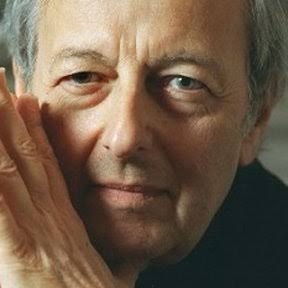
Andre Previn
Morten Lauridsen (b. 1943)
Madrigali: Six ‘Firesongs’ on Italian Renaissance Poems
Chamber Choir of Europe
Nicol Matt (conductor)
Richard Wagner (1813-1883)
Die Valkyrie: Scene III. Magic Fire Music
Norman Bailey (bass)
English National Opera
Reginald Goodall (conductor)
Igor Stravinsky (1882-1971)
Finale from The Firebird:
Bavarian Radio Symphony Orchestra
Mariss Jansons (conductor)

One of Handel’s best -known compositions, Music for the Royal Fireworks was written in 1749 to celebrate the end of the War of the Austrian Succession and the signing of the Treaty of Aix-la-Chapelle. La Réjouissance is a lively and celebratory movement originally composed for a large ensemble, including brass and wind instruments.
On April 21, 1749, 100 musicians rehearsed the new composition in the Vauxhaull Gardens for an estimated crowd of 12,000—a crowd so large that it stopped traffic on London Bridge for three hours. Even before its official premiere the following week, the work was a popular hit. Two days later, on April 27, the official premiere of the Music for the Royal Fireworks took place in Green Park.
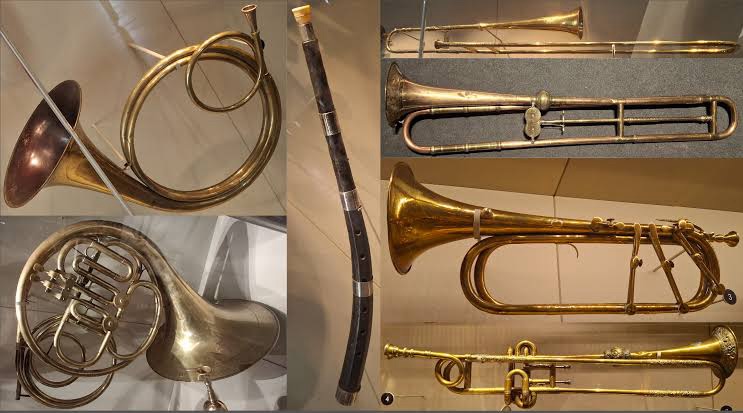
The event was, however, more infamous than successful. It had rained all afternoon, dampening the enthusiasm of all involved, and the fireworks themselves (which were set off after the performance, not during) were something of a disappointment—the rockets worked well enough, but everything else appeared to malfunction. To make matters worse, the spectacular neoclassical pavilion that had served both as concert stage and launch-point for the fireworks caught on fire during the display. It was hardly the kind of grand celebration envisaged by the organisers! The orchestration for the concert was settled at nine trumpets, nine horns, 24 oboes, 12 bassoons, three pairs of timpani, and an unspecified number of side drums!

Manuel de Falla’s Ritual Fire Dance is a vibrant and rhythmic dance that represents a ritual to ward off evil spirits. It features rhythmic intensity, evocative melodies, and a dynamic orchestration that captures the spirit of Spanish folk music. It comes from El Amor Brujo (Love, the Magician) one of de Falla’s best-known works, composed in 1914-1915 and revised in 1925.
Although the ballet is a story that involves gypsies and supernatural elements, the Ritual Fire Dance has become a standalone concert piece and is often performed independently from the ballet. It showcases Falla’s ability to blend traditional Spanish elements with a more modern and impressionistic musical language, creating a work that is both accessible and rich in its cultural influences.
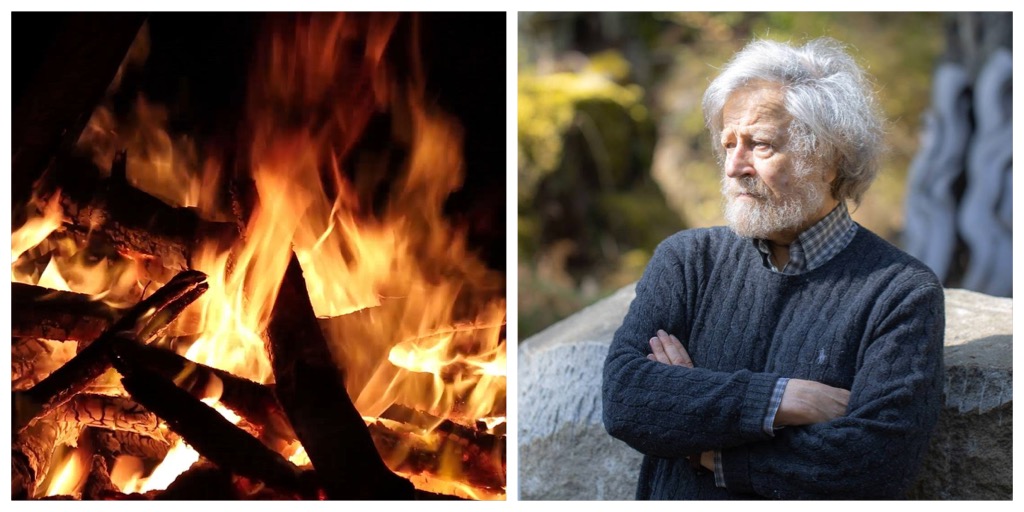
Madrigali: Six ‘Fire Songs’ on Italian Renaissance Poems is one of Morten Lauridsen’s most notable works. Composed in 1987, it reflects Lauridsen’s deep appreciation for poetry and his skilful setting of texts to music. Written for unaccompanied choir, each song is based on Italian Renaissance poems with the subtitle “Six ‘Fire Songs’” suggesting a thematic connection to fire, either metaphorically or as a musical representation.
Lauridsen’s setting of these poems captures the essence of the texts through his rich harmonies, expressive melodies, and careful attention to the nuances of the poetry. Madrigali has been praised for its lush and evocative choral writing, drawing on the traditions of both Renaissance and contemporary choral music. The work has become a significant part of the modern choral repertoire and is appreciated for its emotional depth and beauty.

Wagner’s operas are known for their epic scale, innovative use of harmony, and complex orchestrations. The Magic Fire Music, an orchestral interlude from the third act of Die Walküre, is a striking example of Wagner’s ability to create music that vividly captures the emotional and dramatic elements of the story. It occurs at the end of the opera, and it is associated with the character Brünnhilde who surrounds herself with a protective ring of fire to deter anyone unworthy from approaching her.
The music is a dramatic and powerful orchestral passage and is often performed separately from the opera as a concert piece. Wagner’s use of leitmotifs, recurring musical themes associated with specific characters, objects, or ideas, is prominent in the Magic Fire Music. The leitmotif associated with Brünnhilde is heard during this passage and is a musical representation of her character and the magical fire she creates.

The Firebird marked a significant turning point in Stravinsky’s career and is considered one of his breakthrough works. The Finale is the culmination of the narrative, featuring a powerful and exuberant musical resolution as Prince Ivan succeeds in his quest and overcomes the evil sorcerer Kastchei.
Stravinsky’s use of orchestration in work is highly imaginative and colourful. It showcases his skill in creating dynamic and thrilling orchestral textures as the music builds to an energetic climax, with the full force of the orchestra contributing to the sense of triumph and celebration. Stravinsky’s work on The Firebird set the stage for his later ballets, such as Petrushka and The Rite of Spring, which are celebrated for their groundbreaking use of rhythm, harmony, and orchestration in the realm of 20th-century classical music.

Leave a comment