
The hope and optimism of a New Year is one of the hallmarks of New Year’s Day, with resolutions made and a time to celebrate new beginnings. The music composed for this time of year can be both joyful and reflective so the music in today’s programme will hopefully lift the spirits and provide the perfect start for the year ahead.
George Frederick Handel (1685-1759)
Music from The Royal Fireworks: La Réjouissance
The English Concert
Trevor Pinnock (conductor)
Johann Sebastian Bach (1685-1750)
Cantata No. 171, ‘Gott, wie dein Name, so ist auch: Chorale ‘Lass uns das jahr vollbringen’
Bach Ensemble
Helmut Rilling (conductor)
Percy Fletcher (1879-1932)
Ring Out Wild Bells
Huddersfield Choral Society
Black Dyke Mills Band
Roy Newsome (conductor)
Benjamin Britten (1913-1976)
A New Year Carol
St Paul’s Cathedral Choir
Andrew Carwood (conductor)
Carl Davis (1936-2023)
Auld Lang Syne
Brighton Festival Chorus
Royal Philharmonic Orchestra
Carl Davis (conductor)
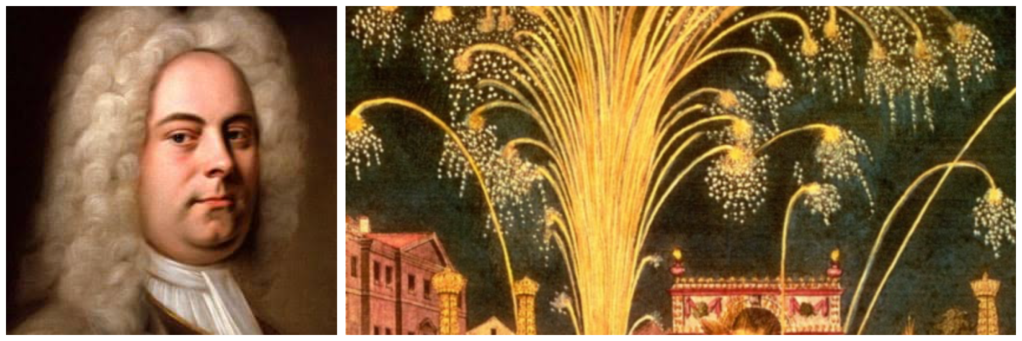
The start of a New Year wouldn’t be the same without the excitement of a glorious fireworks display and there is no better music to accompany fireworks than the music composed by George Frederic Handel (1685-1759). Music for the Royal Fireworks was composed in 1749 to celebrate the end of the War of the Austrian Succession and the signing of the Treaty of Aix-la-Chapelle. La Réjouissance is a lively and celebratory movement, featuring upbeat and festive music that captures the spirit of joy and triumph. Originally composed for a large ensemble, including brass and wind instruments, La Réjouissance stands out as an exuberant and joyful section of the suite. On April 21, 1749, 100 musicians rehearsed the new composition in the Gardens for an estimated crowd of 12,000—a crowd so large that it stopped traffic on London Bridge for three hours. The event was, however, more infamous than successful. It had rained all afternoon, dampening the enthusiasm of all involved, and the fireworks themselves (which were set off after the performance, not during) were something of a disappointment. To make matters worse, the spectacular neoclassical pavilion that had served both as concert stage and launch-point for the fireworks caught on fire during the display! King George III had specifically requested lots of brass and wind instruments so the orchestration for the concert was settled at nine trumpets, nine horns, 24 oboes, 12 bassoons, three pairs of timpani, and an unspecified number of side drums.

Johann Sebastian Bach’s Cantata No. 171, Gott, wie dein Name, so ist auch (God, as Your Name is, so is also Your Praise). BWV 171 is a sacred cantata composed for New Year’s Day. It was first performed on January 1, 1729, in Leipzig. This cantata was written for the Feast of the Circumcision of Christ (January 1), which in Bach’s time was also celebrated as New Year’s Day. The cantata reflects themes of praise and thanksgiving to God for His name and blessings as the year begins. The complete work consists of six movements with a mixture of solos, choral section and instrumental accompaniment. The opening chorus is grand and festive and very suitable for the celebratory occasion of New Year’s Day. The cantata is a jubilant and introspective work and is often performed during New Year’s concerts or services.
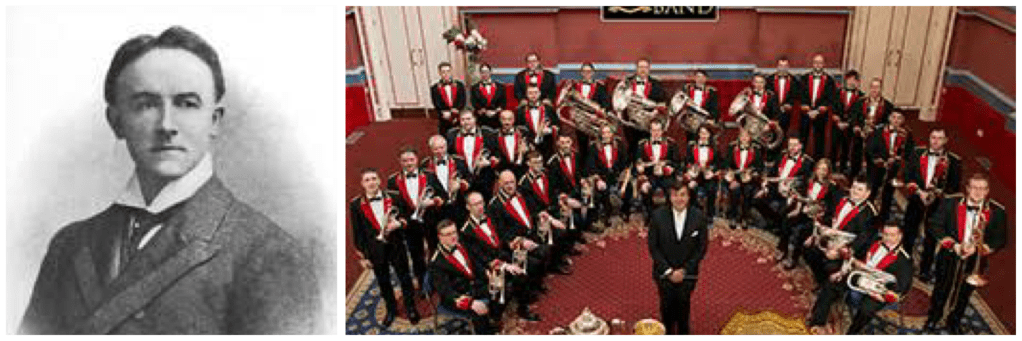
Percy Fletcher was a British composer born in Derby and particularly known for his contributions to brass and military band genres. Largely self-taught, he studied violin, piano, and organ before becoming a successful musical director in London’s theatre scene, notably at His Majesty’s Theatre. Fletcher composed various works, including musicals like Cairo and The Good Old Days, as well as choral pieces and orchestral music. His tone poem Labour and Love marked a significant moment in brass band history, establishing original compositions for the genre. Ring Out, Wild Bells is a choral setting of Alfred Lord Tennyson’s poem by Percy Fletcher composed in 1914. It is typically arranged for SATB choir with organ accompaniment and has gained popularity for its association with New Year’s celebrations. The piece reflects the poem’s themes of renewal and the passage of time, making it a fitting choice for commemorative events and services.
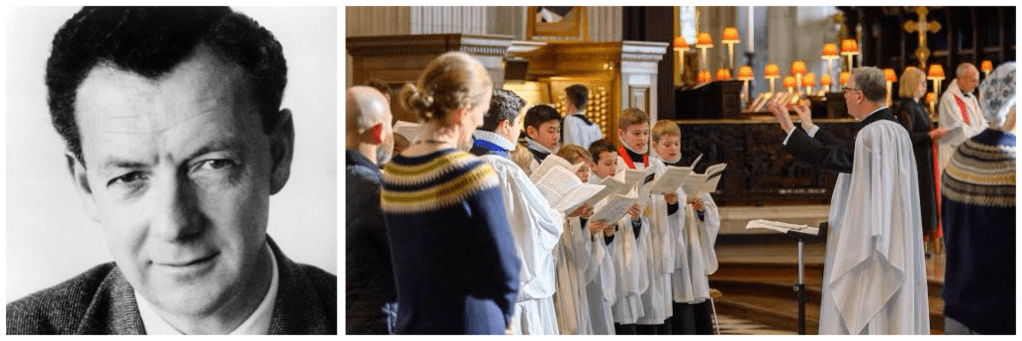
Benjamin Britten was born in Lowestoft, Suffolk and was one of England’s finest composers. He began composing at an early age and studied at the Royal College of Music under Frank Bridge. Britten gained fame with his opera Peter Grimes (1945) and is known for works like the War Requiem (1962) and The Young Person’s Guide to the Orchestra (1945). He co-founded the Aldeburgh Festival and was a key figure in 20th-century British music and particularly recognised for his operas and choral compositions. Key influences for Britten were the Sea: growing up in Lowestoft, the sound of the sea shaped his musicality and is evident in works like Peter Grimes and Four Sea Interludes. His mother, Elizabeth: an amateur violinist who provided early musical exposure and encouragement. Folk Music: Britten absorbed local East Anglian folk songs, which undoubtedly enriched his compositions. Literature: the works of poets like W.H. Auden inspired Britten’s operas, intertwining text and music to reflect complex emotions and Frank Bridge: his composition teacher at Gresham’s School, who significantly influenced Britten’s development as a composer. A New Year Carol is a choral work from his 1934 collection Friday Afternoons, Op. 7. Composed for treble voices and piano, it is one of twelve songs Britten composed for the children of Clive House School in Prestatyn, Wales, where his brother was the headmaster. The lyrics, based on a Welsh folk song, were included in Walter de la Mare’s children’s anthology Tom Tiddler’s Ground (1931). The carol reflects customs of New Year’s Day, where children would sprinkle water from a well while singing and celebrates the transition from the old year to the new.

Carl Davis CBE was an influential American-born British composer and conductor, renowned for his contributions to film, television, and ballet music. Born in Brooklyn, New York, he studied composition under Paul Nordoff and Hugo Kauder and, after moving to London in 1961, he became a pivotal figure in the UK’s arts scene, composing scores for projects such as The World at War and Pride and Prejudice. He was a pioneer in reviving silent films with live orchestral scores and created over 200 works for TV and film. Davis also composed numerous ballets, showcasing his versatility as a musician. Originally penned by Robert Burns in 1788, the Auld Lang Syne is based on nostalgia, friendship, and the passage of time and Davis’s arrangement breathes new life into this classic, making it relevant for contemporary audiences whilst respecting its rich heritage. Auld Lang Syne translates to ‘for (the sake of) old times,’ and it is traditionally sung to bid farewell to the old year and herald in the new one, especially during New Year’s Eve celebrations. The song has deep roots in Scottish folk culture and has crossed into worldwide recognition, often representing reflection and remembrance. Davis’s adaptation combines lush orchestral textures with melodic lines that evoke emotion and a sense of longing the arrangement is perfect for festive occasions and commemorative events.

Leave a comment