
Ennio Morricone’s soundtrack for the 1986 film The Mission is widely acclaimed, with Gabriel’s Oboe recognised as one of cinema’s most iconic melodies. The score’s heartbreaking quality deeply complements the tragic narrative of a priest whose glory is realised through martyrdom.
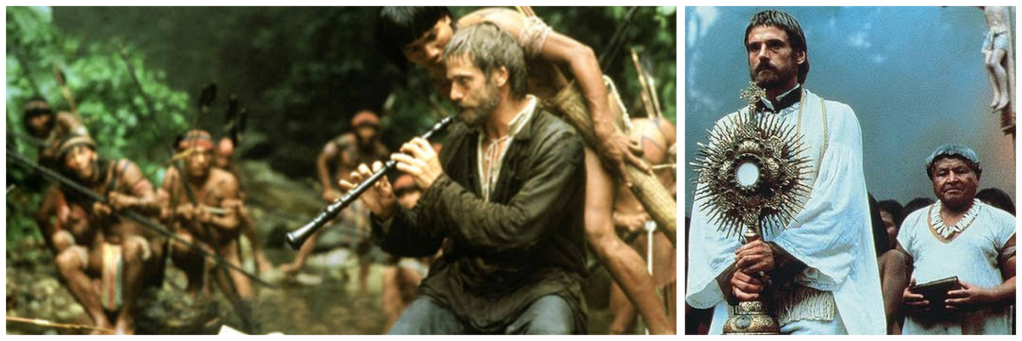
In the 1750s, Jesuit priest Father Gabriel ventures into the eastern jungles of Paraguay with the aim of converting the Guaraní people to Christianity. He sends another priest to establish contact, but tragically, that priest falls to his death from Iguazu Falls. Father Gabriel then journeys to the falls himself and begins to play his oboe. One of the Guaraní snatches the oboe from him and breaks it in two. Despite this act, Father Gabriel remains unperturbed, and the captivated Guaraní take him to their village.
Ennio Morricone initially hesitated to compose the soundtrack for The Mission because he favoured absolute music, which stands apart from any external context, over applied music meant for films. However, after being convinced to watch an early cut of the film, he found himself profoundly affected by its beauty, particularly during the climactic massacre scene that brought him to tears. This emotional reaction ultimately compelled him to accept the project, despite concerns that his music might overshadow the film’s artistry.
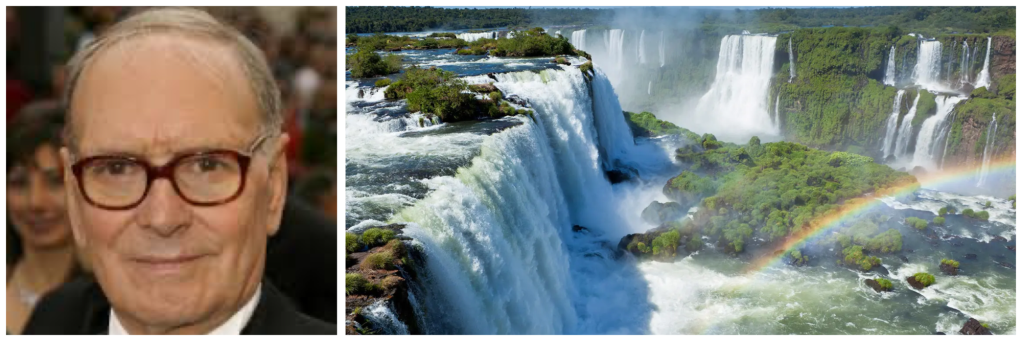
While crafting the score, Morricone faced the challenge of authentically representing the indigenous Guarani culture. He composed a theme called Vita nostra (Our Life), aligning its melody with a Latin text that voiced the locals’ protests. This method was intended to pay tribute to the Guarani’s lost musical heritage while incorporating various musical influences, such as liturgical chorales and native drumming, to reflect the film’s rich cultural tapestry.
Among the standout pieces in the score is Gabriel’s Oboe, which symbolises Father Gabriel’s efforts to connect with the Guarani through music. Gabriel’s Oboe has gained widespread acclaim and has been adapted in numerous ways, displaying Morricone’s talent for creating music that transcends its original film context. The soundtrack received critical praise and won several prestigious awards, cementing Morricone’s status as one of cinema’s most celebrated composers.
This recording was made to raise awareness of the charity HARMONY – ACTION THROUGH THE ARTS
weareharmony.org




Leave a comment