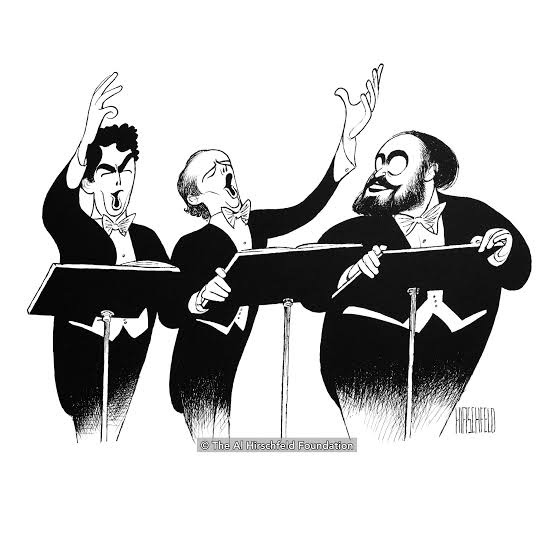
The Three Tenors – Luciano Pavarotti, Plácido Domingo, and José Carreras – were an operatic supergroup active from 1990 to 2003. They formed for a 1990 charity concert supporting Carreras’s leukemia foundation, debuting at Rome’s Baths of Caracalla before the FIFA World Cup final, watched by about 800 million people. This concert became the best-selling classical album ever. They performed at World Cup finals in 1994, 1998, and 2002, toured globally in large venues, and supported various charities. Their final show was in 2003 in Ohio. Their repertoire included opera arias like Nessun dorma, Neapolitan songs such as O sole mio, Broadway, and popular music. Conductors included Zubin Mehta and James Levine. Despite some controversy over royalties and criticism from purists, they expanded opera’s audience worldwide and left a lasting cultural impact, inspiring tribute concerts and media references.

Augustin Lara (1897-1970)
Granada
Jose Carreras
Rome and Florence Opera Orchestras
Zubin Mehta (conductor)
Pablo Sorozábal (1897–1988)
La Tabenera del puerto Act 2: No puede ser
Placido Domingo
Rome and Florence Opera Orchestras
Zubin Mehta (conductor)
Ernesto de Curtis (1875-1937).
Torna a Surriento
Luciano Pavorotti
Rome and Florence Opera Orchestras
Zubin Mehta (conductor)
Leonard Bernstein (1918–1990) Tonight
Vincenzo D’Annibale (1894-1950) O paese d’o sole
Quirino Mendoza y Cortés (c.1862–1957) Cielito Lindo
Carreras, Pavarotti, Domingo
Rome and Florence Opera Orchestras
Zubin Mehta (conductor)
Giacomo Puccini (1858–1924)
Nessun D’orma
Carreras, Pavarotti, Domingo
Rome and Florence Opera Orchestras
Zubin Mehta (conductor)
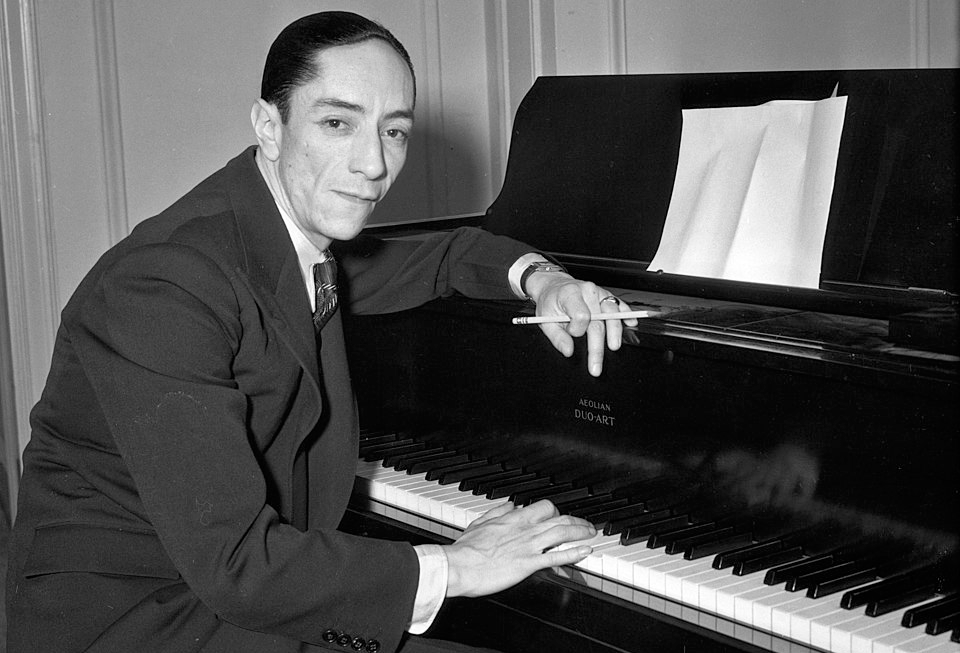
Augustin Lara (1897-1970)
Granada (1932)
Augustín Lara was a celebrated Mexican composer and performer born in Tlacotalpan, Veracruz. Self-taught as a pianist, he began playing in bars and cabarets before rising to fame with over 800 songs spanning boleros, rancheras, tangos, and romantic ballads. Among his most famous compositions are Granada, Solamente Una Vez, and Maria Bonita. Lara’s music gained wide acclaim across Latin America, Spain, and internationally, earning him honorary Spanish citizenship in 1966. He is honored with a statue in Madrid and is buried in Mexico’s Rotonda de los Hombres Ilustres.
His iconic song Granada, composed in 1932, is a romantic tribute to the Spanish city, celebrating its beauty, Moorish heritage, bullfights, and enchanting women. Originally in Spanish, it is often performed as a bolero or classical piece and has become an international standard, covered by artists like José Carreras, Plácido Domingo, Frank Sinatra, and Bing Crosby. Since 1997, it has served as the official anthem of Granada.
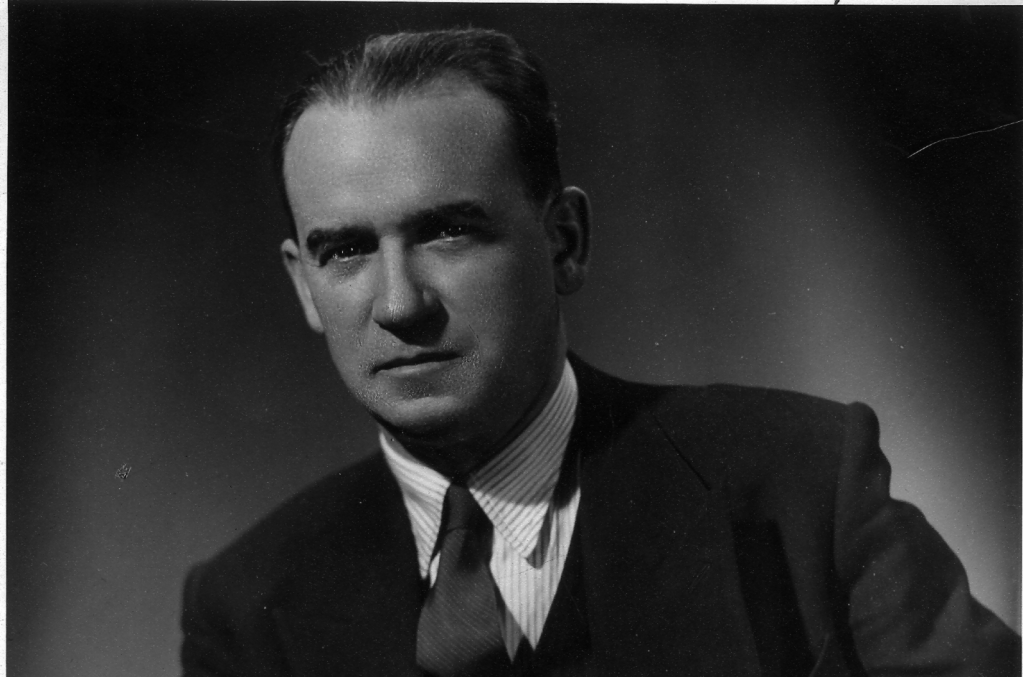
Pablo Sorozábal (1897–1988)
La Tabenera del puerto Act 2: No puede ser
La tabernera del puerto is a three-act zarzuela with a Spanish libretto by Federico Romero and Guillermo Fernández-Shaw. It premiered on April 6, 1936, at Barcelona’s Teatro Tívoli. Set in the fictional northern port of Cantabreda, it centres on Marola, a tavern owner financially supported by Juan de Eguía, who is thought to be her husband but is actually her father. The plot weaves themes of love, betrayal, smuggling, and dramatic misunderstandings, culminating in Juan de Eguía’s criminal deeds being revealed and punished.
This zarzuela exemplifies the género chico style, combining spoken dialogue, song, dance, elements of folklore and drama. The tenor aria No puede ser, from the second act, expresses Leandro’s shock and pain upon discovering he was unwittingly used by Marola to smuggle cocaine, yet he still believes in her love and innocence. This aria is one of the most beloved in the Spanish lyric repertoire. Its deeply emotional lyrics blend sorrow and hope, making it a highlight in zarzuela and opera concerts worldwide
Pablo Sorozábal was a leading Spanish composer celebrated for his zarzuelas, operas and symphonic works. Born in San Sebastián, he studied music in Spain and Germany, favouring traditional composition over avant-garde styles. Among his best-known zarzuelas are La del manojo de rosas (1934) and La tabernera del puerto (1936). Besides stage works, he composed symphonic pieces and film scores, marking the close of the romantic zarzuela tradition.
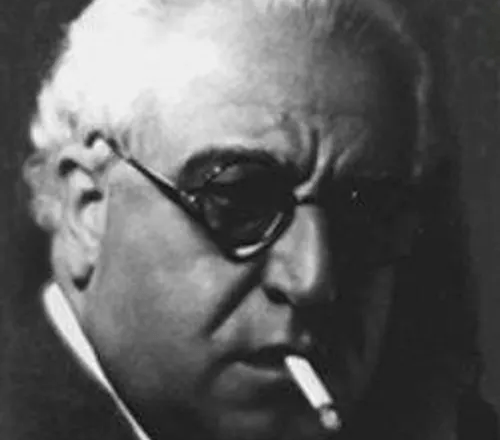
Ernesto de Curtis (1875-1937).
Torna a Surriento
Torna a Surriento is a heartfelt Neapolitan song that expresses a deep longing for the picturesque town of Sorrento and a beloved person. The song’s melodic and lyrical qualities are emblematic of the romantic style typical of Neapolitan music, combining an expressive melody with rich harmonic accompaniment. It beautifully evokes the emotional warmth and scenic beauty of Southern Italy. This song has enjoyed enduring popularity worldwide and maintains its place in both classical and popular music repertoires, symbolising the cultural and musical heritage of Naples and its surroundings. Beyond its musical significance, Torna a Surriento has become associated with Italian identity and nostalgia, frequently featured in films, concerts, and recordings globally. Its influence extends across genres, inspiring numerous arrangements and adaptations.
Ernesto de Curtis was a distinguished Italian composer, best known for his contributions to the Neapolitan song tradition. He came from a musically rich family background and was the great-grandson of the composer Saverio Mercadante. Between 1900 and 1930, he composed over 100 songs, many of which became timeless classics within the Neapolitan repertoire. Ernesto de Curtis passed away in his hometown of Naples on December 31, 1937, leaving behind a rich legacy that continues to resonate with audiences around the world.

Leonard Bernstein (1918–1990) Tonight
Vincenzo D’Annibale (1894-1950) O paese d’o sole (The land of the sun)
Quirino Mendoza y Cortés (c.1862–1957) Cielito Lindo (Lovely Sweet One)
This medley of Tonight / O paese d’ ’o sole / Cielito Lindo brings together three much-loved songs from differing cultural and musical traditions, composed by masters of their craft. Leonard Bernstein was an American conductor, composer, pianist, and educator renowned for his dynamic contributions to classical and musical theatre. Bernstein gained worldwide fame as the conductor of the New York Philharmonic and as the composer of the groundbreaking musical West Side Story. Tonight is one of the iconic songs from this musical, capturing the passionate anticipation of young love in a vibrant urban setting.
Vincenzo D’Annibale was an Italian pianist, composer, and orchestra conductor from Naples. He was a prolific contributor to the Neapolitan song tradition, setting to music the poetry of celebrated local poets. His song O paese d’ ’o sole (The Land of the Sun) is a nostalgic and lyrical homage to Naples, evoking the warmth of home, the sea, and the enduring spirit of love and belonging. This piece exemplifies the rich melodic and emotional character of Neapolitan music.
Quirino Mendoza y Cortés was a Mexican composer best known for the traditional folk song Cielito Lindo, written in 1882. This song, often performed by mariachi bands, is a joyful and affectionate serenade whose title means Pretty Little Sweetheart. Its catchy melody and heartfelt lyrics have made it an enduring symbol of Mexican musical heritage and popular culture worldwide.
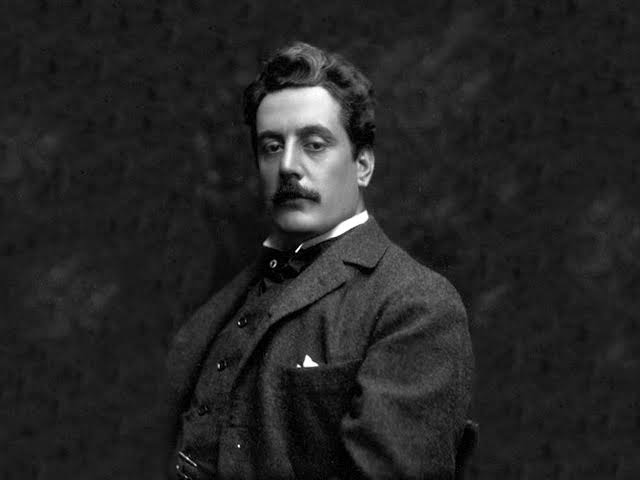
Giacomo Puccini (1858–1924)
Nessun D’orma
Nessun dorma (Let no one sleep), is a tenor aria from the final act of Puccini’s Turandot. Sung by the character Calaf, the unknown prince, it is a highlight of the Romantic opera repertoire. In the opera, Calaf has answered Princess Turandot’s three riddles, and she decrees that no one shall sleep until his name is discovered or all will be killed. Calaf challenges her to guess his name by dawn, promising marriage if she fails. Premiered posthumously in 1926, Nessun dorma gained worldwide fame through Luciano Pavarotti’s performances, notably at the 1990 FIFA World Cup, making it one of the most beloved tenor arias.
Giacomo Puccini was born into a distinguished family of musicians who had served as church musicians and maestros di cappella in Lucca for over a century. Puccini’s early operatic career began with Le Villi (1884), which was initially rejected in a competition but later staged successfully. His second opera, Edgar (1889), was a critical and commercial failure. However, he achieved his breakthrough with Manon Lescaut (1893), marking his first mature and successful work. His most famous operas include La bohème (1896), inspired by his own experiences of poverty; Tosca (1900), a dramatic and intense work, and Madama Butterfly (1904), a tragic tale of love and cultural clash. His final opera, Turandot, left unfinished at his death in 1924, was completed posthumously by Franco Alfano. His legacy as the greatest Italian opera composer after Verdi endures, with his operas remaining among the most frequently performed worldwide.
The Three Tenors
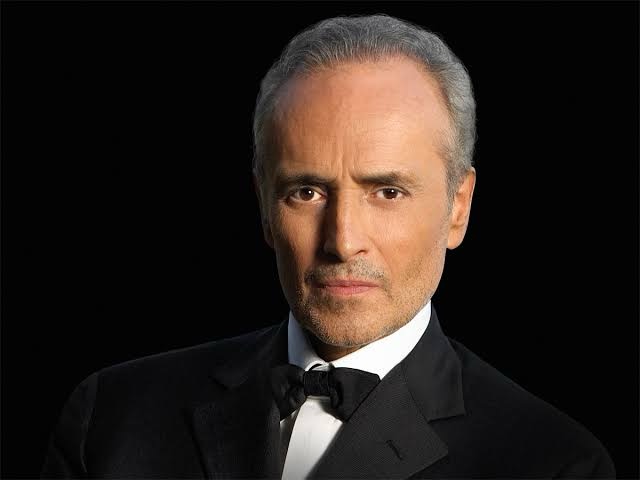
José Carreras, born on December 5, 1946, in Barcelona, Spain, is a celebrated Spanish lyric tenor known for his rich voice and stage presence. He debuted operatically at age 11 and later performed major roles across Europe and the U.S., including at the Metropolitan Opera. Diagnosed with leukemia in 1987, he successfully recovered and founded the José Carreras International Leukemia Foundation. Beyond opera, he directed music for the 1992 Barcelona Olympics and released albums blending opera with popular music. From the early 2000s, he shifted focus to recitals, retiring from principal roles in 2009. Carreras won a Grammy with the Three Tenors and remains a respected artist and humanitarian.
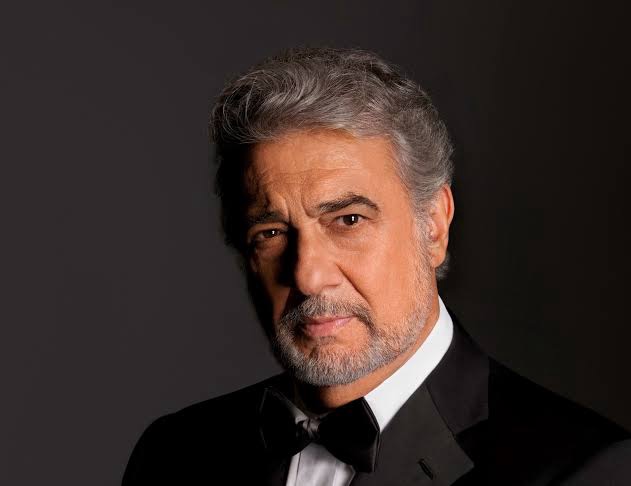
Plácido Domingo is a celebrated Spanish opera singer, conductor, and arts administrator with a career spanning over 50 years. He has performed more than 150 roles – the largest tenor repertoire ever – in multiple languages, including Italian, French, German, English, Spanish, and Russian. Later, he transitioned to baritone roles. Domingo debuted in 1961 in Mexico City and appeared at the Metropolitan Opera in 1969 and Covent Garden in 1971. He began conducting in 1973 and led the Washington National Opera and Los Angeles Opera as Artistic and General Director. He has won 14 Grammy and Latin Grammy Awards and received the Presidential Medal of Freedom. With over 100 opera recordings and many filmed performances, Domingo also succeeded in pop and Latin music. Despite controversies causing his 2019 resignation from Los Angeles Opera, Domingo remains a versatile and influential figure in opera, continuing to perform globally.

Luciano Pavarotti was an Italian operatic tenor, acclaimed as one of the greatest bel canto singers of the 20th century. His international breakthrough came in 1972 at the Metropolitan Opera with his performance earning him the nickname ‘King of the High Cs.’ Known for his powerful, bright tenor voice, exceptional breath control, and emotional expressiveness, Pavarotti excelled in Puccini roles with a three-octave range. He recorded numerous operas and popular albums like Amore (1992) and Ti Adoro (2003), and helped popularise opera through televised performances. His last operatic stage role was in 2004, and his final public singing was Nessun dorma at the 2006 Winter Olympics. Pavarotti revolutionised opera by performing in stadiums worldwide, bridging classical and popular music, and expanding opera’s global reach.


Leave a comment