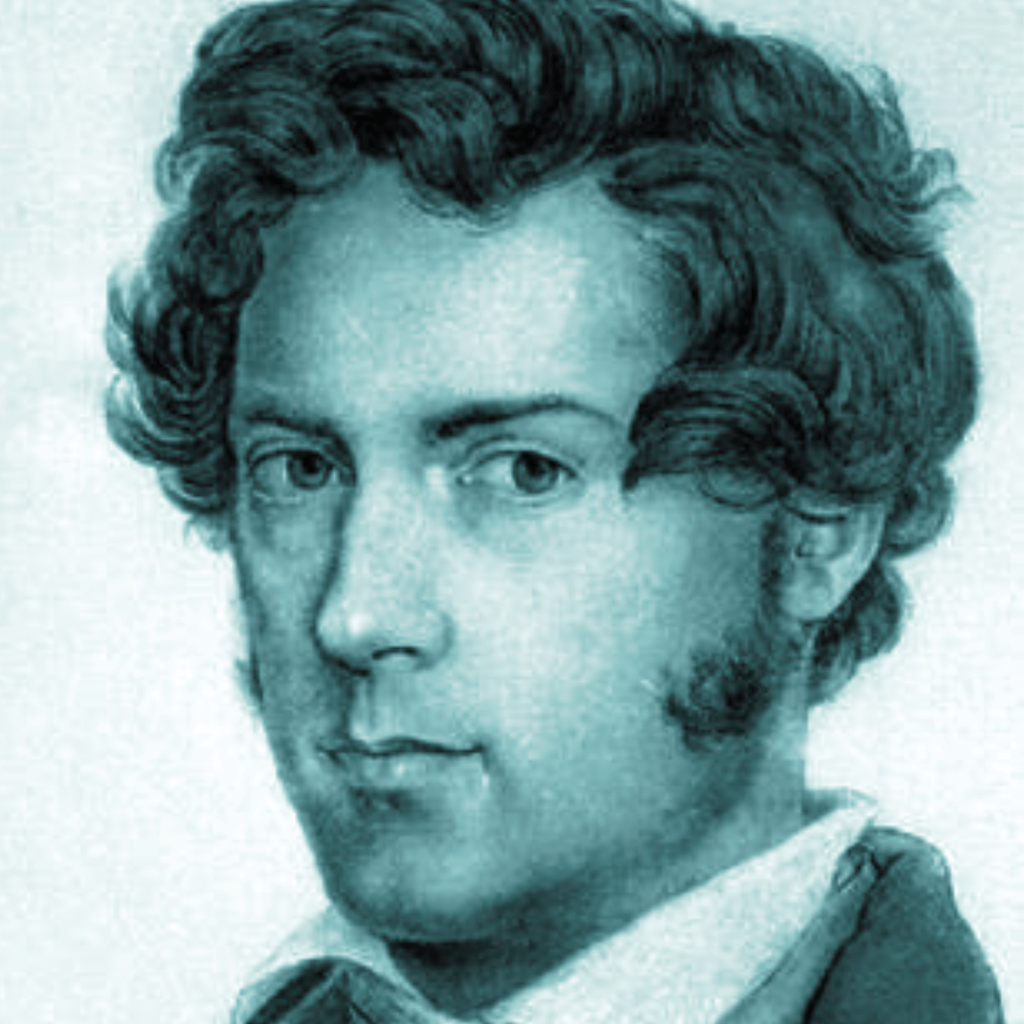
Norbert Burgmüller (1810–1836) was a brilliant and sensitive composer whose promising life and career were tragically cut short at the age of just 26. Gifted with remarkable musical talent, Burgmüller composed a wide range of works, including symphonies, a piano concerto, chamber music, vocal pieces, and other orchestral works. His compositions were admired for their originality, boldness, and rich harmonic colour, qualities that reflected his deeply thoughtful and artistic temperament. Despite his gifts, Burgmüller’s life was marked by significant personal struggles. He suffered from epilepsy, and his condition was compounded by bouts of excessive drinking, which were likely a response to emotional distress. The end of two engagements brought him intense sadness,, contributing to a life shadowed by illness and depression.
Norbert Burgmüller
Symphony No 1 in C minor Op. 2 IV. Finale
Hofkapelle Stuttgart
Frieder Bernius (conductor)
Norbert Burgmüller
Piano Concerto Op. 1 III. Allegro moderato
Tobias Koch (piano)
Hofkapelle Stuttgart
Frieder Bernius (conductor)
Norbert Burgmüller
String Quartet No 2 in D major Op. 7 IV. Allegro molto
Mannheim String Quartet
Norbert Burgmüller
Symphony No 2 in D major Op. 11 I. Allegro moderato
Hofkapelle Stuttgart
Frieder Bernius (conductor)
Norbert Burgmüller
Overture Dionys in F major Op. 5
Wuppertal Philharmonic Orchestra

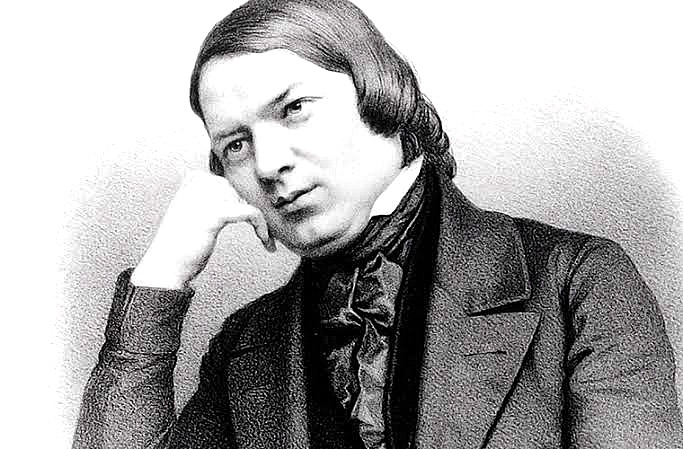
Burgmüller’s early death was deeply mourned by his contemporaries. Robert Schumann, who greatly admired his work, called his loss the most distressing since Schubert’s and praised the originality and sensitivity of his music. Mendelssohn, too, recognized Burgmüller’s remarkable talent. After Burgmüller drowned in Aachen (Aix-la-Chapelle) during an epileptic seizure, Schumann became a champion of his music, ensuring that his works were published posthumously. Today, Norbert Burgmüller’s music continues to be performed and recorded, especially his symphonies and chamber works, standing as a testament to a composer whose passionate dedication and vulnerability left a lasting mark on the musical world.
Norbert Burgmüller was born into a profoundly musical family in Düsseldorf, a background that offered him a rich cultural environment from his earliest days. His father, August Burgmüller, was a prominent figure in the local arts scene – a theatre director, pianist, conductor, and co-founder of the Lower Rhine Music Festival, which would become a major annual event in German classical music for well over a century. Norbert’s mother, Therese von Zandt, was a singer and piano teacher, and it is likely that she provided her son with his first music lessons. His older brother, Friedrich Burgmüller, was also a composer and pianist, serving as an early role model and inspiration. Growing up surrounded by music and theatre, Norbert’s talents were nurtured from a young age. He began composing early, encouraged by the high artistic standards and professional connections of his family. However, the death of his father brought financial hardship to the family. Fortunately, they received support from Count Franz von Nesselrode-Ehreshoven, which enabled Norbert to continue his musical education. Burgmüller’s formal studies took him first to Joseph Kreutzer in Düsseldorf, and later to Louis Spohr and Moritz Hauptmann in Kassel, building upon the solid foundation laid at home. These experiences, combined with his family’s influence, allowed him to develop rapidly as a composer and to achieve early success.
Norbert Burgmüller
Symphony No 1 in C minor Op. 2
Norbert Burgmüller’s Symphony No. 1 in C minor, Op. 2, stands as a remarkable achievement in early Romantic symphonic literature. Composed between 1830 and 1833, the symphony was premiered on November 13, 1834, in Düsseldorf. Structured in four movements – Andante grave – Allegro moderato, Adagio, Scherzo: Allegro di molto, and Finale: Allegro molto e con brio – the work showcases Burgmüller’s mastery of form and expressive depth.
The symphony’s musical style reveals the strong influence of composers such as Beethoven and Louis Spohr, yet it is distinguished by Burgmüller’s own voice. The Symphony No. 1 not only reflects the spirit of its time but also anticipates the symphonic innovations of later Romantic composers like Brahms and Bruckner. At its premiere, the symphony was highly praised for its originality and emotional depth. Robert Schumann lauded it as “the most important and noblest work in the realm of the symphony to have been created in recent times,” and considered it comparable to the finest symphonies of his own output.
Today, Burgmüller’s first symphony is recognised as a significant work of the early Romantic period, demonstrating both great compositional skill and a profound capacity for emotional expression. Its enduring appeal lies in its combination of structural mastery, harmonic daring, and heartfelt lyricism.
Norbert Burgmüller
Piano Concerto Op. 1
Norbert Burgmüller’s Piano Concerto in F-sharp minor, Op. 1 stands as a poignant testament to the promise of a composer whose life was cut tragically short. Composed between 1828 and 1829, the concerto premiered on January 14, 1830, in Kassel, with Burgmüller himself as the soloist. The work is structured in the traditional three-movement concerto form: Allegro ma non troppo, Larghetto con moto, and Allegro moderato.
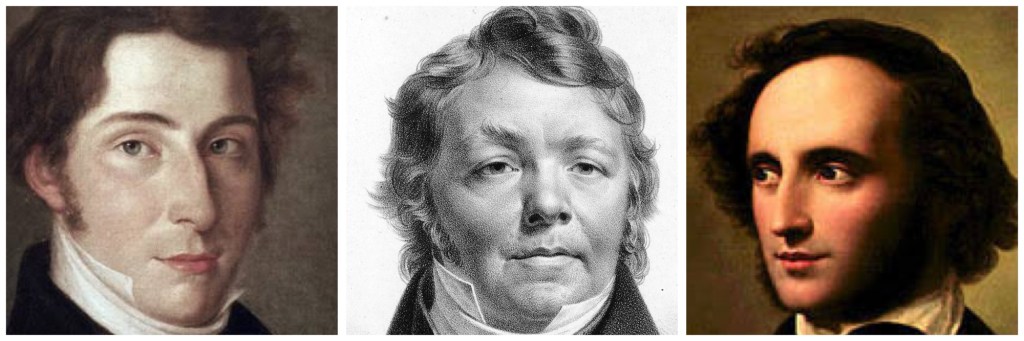
Burgmüller’s concerto is his only work in the genre, a consequence of his untimely death at age 26. The concerto reflects the early Romantic style, drawing influences from Weber, Hummel, and Mendelssohn. Notably, Felix Mendelssohn, who became Burgmüller’s friend in 1833, performed the concerto in Düsseldorf on May 3, 1834.
The piece balances virtuosic piano writing with rich orchestral textures, allowing for a clear and engaging interplay between soloist and ensemble. One of its most striking features is the unresolved minor key ending, an unusual choice that adds depth and complexity to the work.
Burgmüller’s early death limited the immediate impact and dissemination of his Piano Concerto, but this very circumstance has contributed to its reputation as an underappreciated gem of the early Romantic era – a work admired for its originality, expressive power, and the promise of a composer whose full potential was never realised.
Norbert Burgmüller
String Quartet No 2 in D major Op. 7
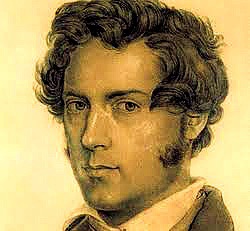
Norbert Burgmüller’s String Quartet No. 2 in D minor, Op. 7 is a fine example of early Romantic chamber music, composed around 1825–1826 when Burgmüller was still a teenager. The work unfolds across four movements: Allegro, Andante, Scherzo: Presto, and Allegro molto, with a typical performance lasting about 27 minutes.
This quartet is one of four that Burgmüller wrote in a brief span, reflecting his deep engagement with the chamber music traditions of Beethoven and his contemporaries. The music is filled with expressive melodies and dynamic contrasts that are hallmarks of the early Romantic style. Burgmüller’s writing demonstrates a precocious command of form and an ability to balance lyricism with dramatic tension, qualities that would later be echoed in the works of Schumann and even Brahms.
Despite its youthful origins, the quartet reveals Burgmüller’s mature grasp of the genre. Each movement offers distinct character: the first is energetic and dramatic, the second lyrical and reflective, the third a lively scherzo, and the finale brims with vitality. The quartet’s expressive range and structural clarity highlight Burgmüller’s promise as a composer, a promise tragically unfulfilled due to his early death. During his lifetime, Burgmüller’s quartets did not gain wide recognition, and there are no documented details of early performances. However, in recent decades, his chamber music – including this quartet – has been revived and recorded, contributing to a growing appreciation of his work and securing his place as an underappreciated voice of the early Romantic era
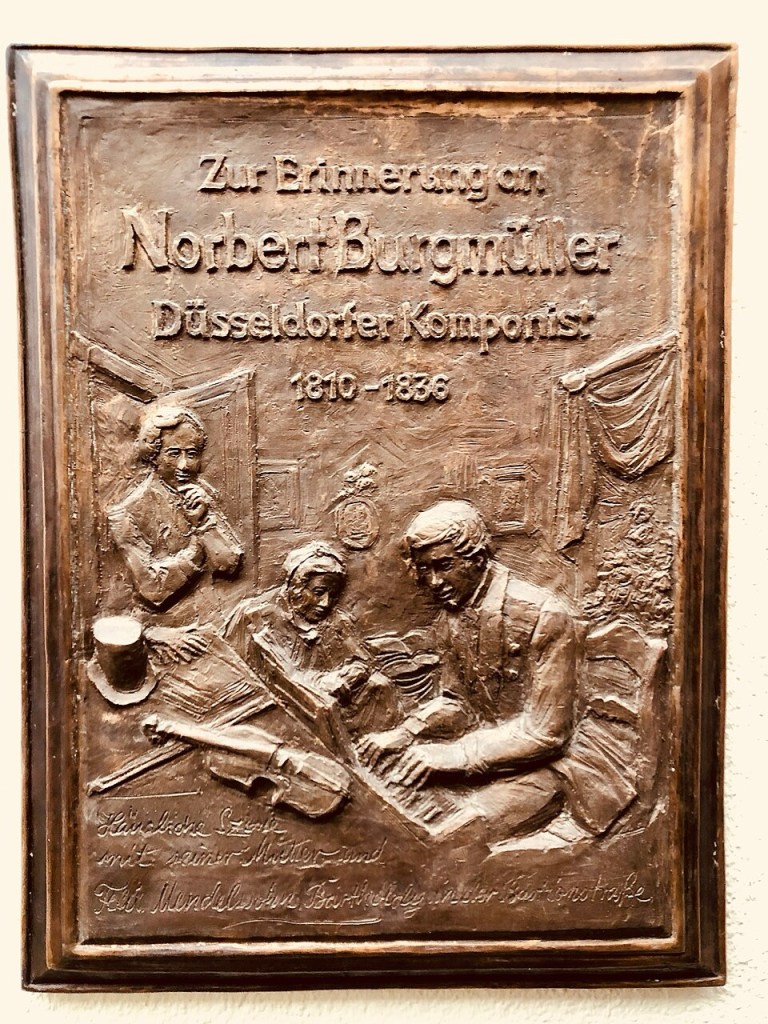
Memorial plaque for Norbert Burgmüller in Dusseldorf, Bastionstrasse No. 3
Norbert Burgmüller
Symphony No 2 in D major Op. 11
Norbert Burgmüller’s Symphony No. 2 in D major, Op. 11 highlights not only his mature symphonic voice but also the tragic brevity of his career. Composed between 1834 and 1836, this work was left unfinished at the time of Burgmüller’s untimely death, yet it reveals the full flowering of his Romantic style – marked by lyrical melodies, dynamic contrasts, and a remarkable clarity of form.
The symphony is structured in three completed movements: an Allegro moderato, a lyrical Andante, and a Scherzo: Presto. Notably, the Scherzo was left incomplete and was finished posthumously by Robert Schumann.. The finale remains an enigma; only a 58-measure fragment of an Allegro in D major was discovered in 1983, and Schumann’s own attempt to provide a conclusion survives as a 121-bar orchestral sketch found in 1988. As a result, the symphony is typically performed in its three-movement form, with the finale either omitted or presented in a reconstructed version.
The first performance of the symphony took place on April 22, 1837, in Düsseldorf, conducted by Julius Rietz, but only the first two movements were heard at that time. Burgmüller’s orchestration is rich and full, calling for a standard Romantic orchestra that includes flutes, oboes, clarinets, bassoons, horns, trumpets, trombones, timpani, and strings.
From a manuscript perspective, Burgmüller left the first two movements and about a third of the Scherzo in full score, with the remainder of the Scherzo and the unfinished finale surviving only as short scores or fragments. Schumann’s editorial work was crucial in bringing the Scherzo to completion, allowing the symphony to be performed more fully.
Despite its incomplete state, the symphony has found a place in the concert repertoire. Ultimately, Burgmüller’s Symphony No. 2 offers a tantalising glimpse of what might have been – a work that stands as one of the under appreciated gems of early Romantic orchestral music.
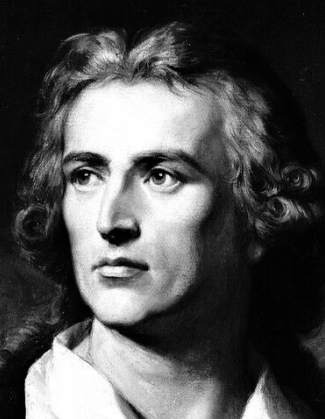
Norbert Burgmüller
Dionys Overture in F major Op. 5
Norbert Burgmüller’s Overture ‘Dionys’ in F minor, Op. 5 is a vivid example of early Romantic orchestral writing, composed around 1825 as the intended prelude to his unfinished opera, Dionys. Though the opera itself was never completed, the overture has survived as a powerful standalone concert piece, showcasing Burgmüller’s youthful ambition and compositional skill.
The overture is cast in a single movement, structured in two contrasting sections. It opens with a solemn, dramatic Adagio grave, setting a dark and contemplative mood. This is followed by an Allegro agitato, marked by restless energy and dynamic intensity. The instrumentation calls for a full Romantic orchestra: woodwinds (including flutes, oboes, clarinets, and bassoons), a robust brass section (with horns, trumpets, and trombones), timpani, and strings. The instrumentation allows Burgmüller to explore a wide range of colours and textures, from the brooding opening to the urgent, agitated main section.
As one of Burgmüller’s most notable orchestral works, the Dionys Overture not only highlights his expressive melodic writing and command of orchestral forces but also provides a glimpse into his operatic aspirations. Even though Burgmüller’s life and career were cut short, this overture stands as an important testament to his artistic voice and remains a compelling example of early Romantic orchestral music.


Leave a comment