
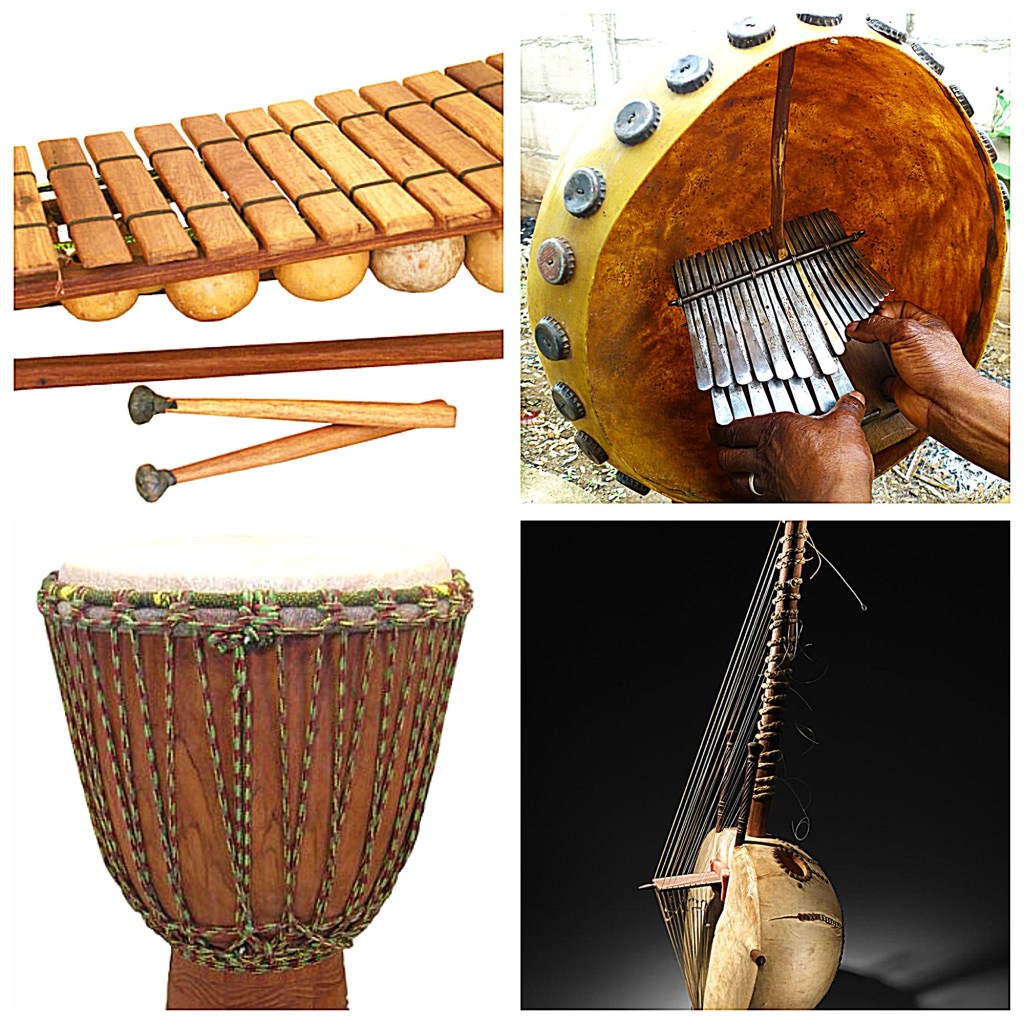
Africa’s musical heritage is a profound testament to the continent’s cultural richness, historical depth, and artistic innovation. Far more than a form of entertainment, music in Africa has long served as a vital medium for storytelling, communal bonding, and the preservation of identity. Its rhythms and melodies have not only shaped local traditions but also left an indelible mark on the global classical music landscape. At the heart of this legacy are instruments like the kora, djembe, and mbira, each crafted with remarkable skill and imbued with cultural significance. These instruments, alongside the human voice, have formed the foundation of a musical language that transcends time and geography.
Featured Composers and Works
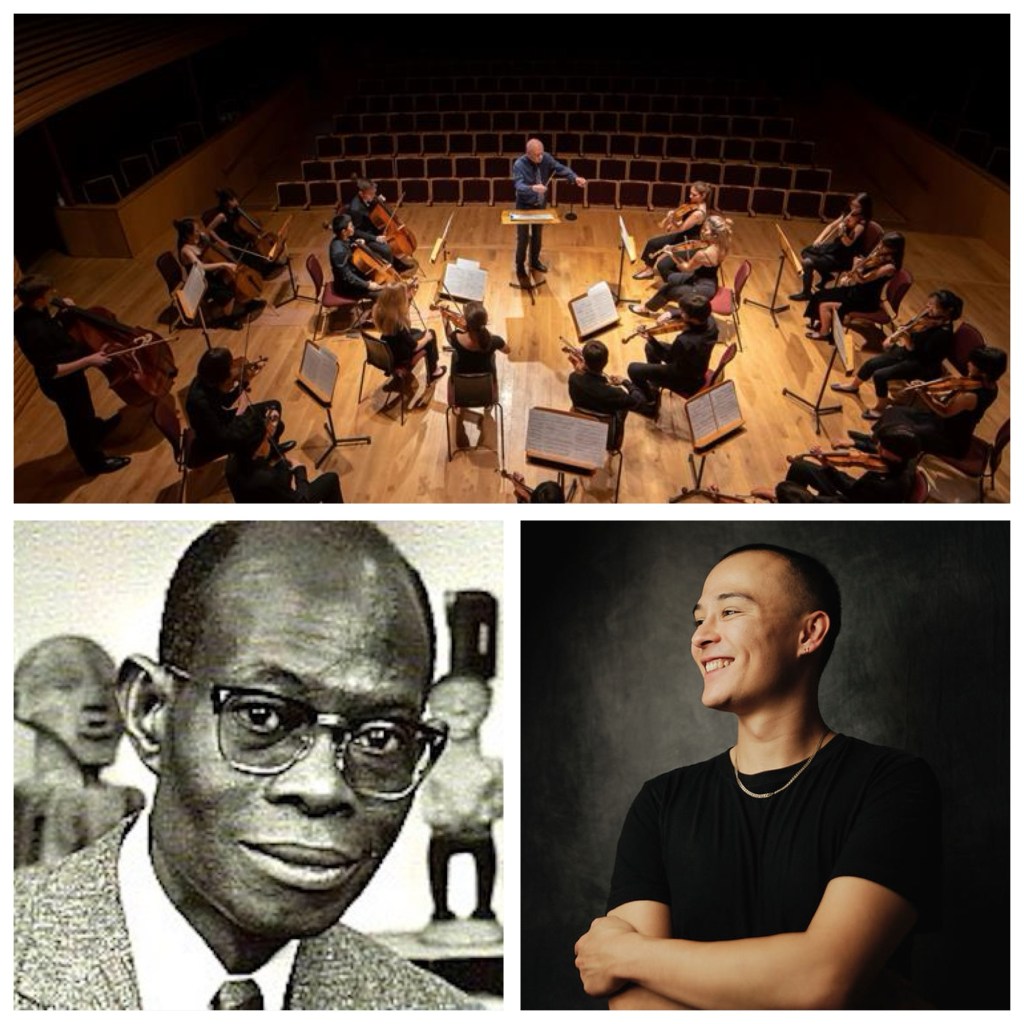
Fela Sowande (1905-1987)
African Suite (1944) V. Akinla
Menhuhin School Senior Orchestra
Otis Enikidu (conductor)
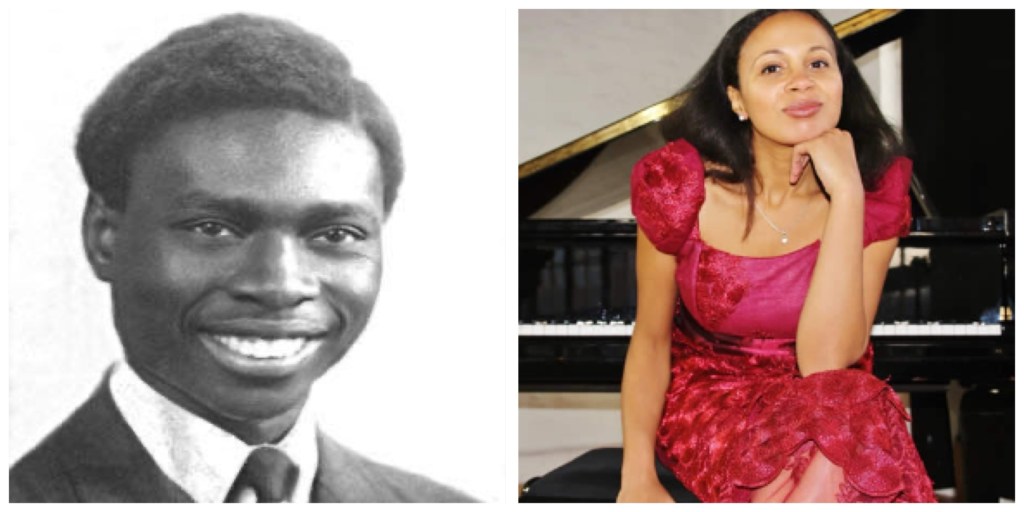
Ayo Bankole (1936-1976)
Ya Orule (1957)
Rebecca Omordia (piano)
Christian Onyeji (b. 1967)
Amuworo ayi otu nwa (approx. 1992)
Chicago a Cappella
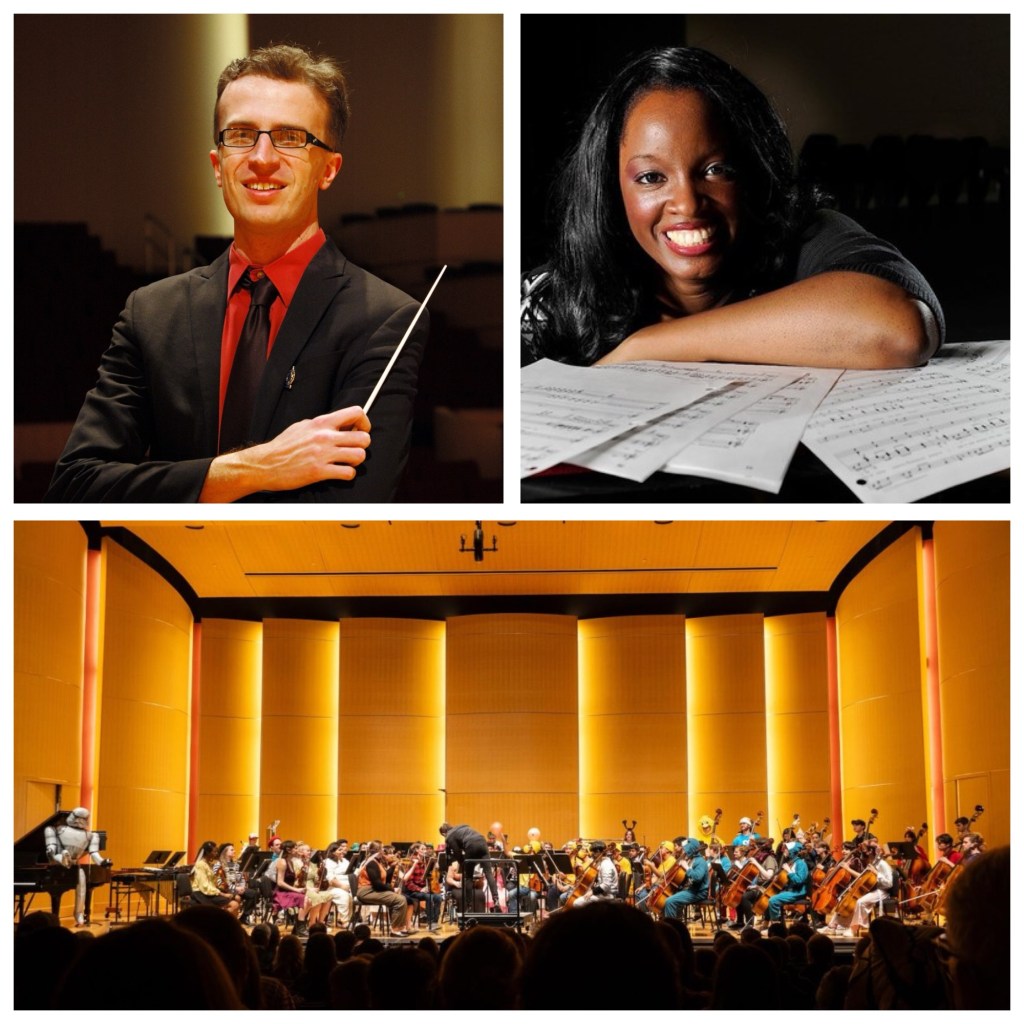
Nkeiru Okoye (b. 1972)
Voices Shouting Out (2002)
Central Washington Symphony Orchestra
Wesley Hunter (conductor)
Kwaku Boakye-Frempong
Sinfonietta Sub-Sahara (approx. 2010) , Movement III
Kwaku Boakye-Frempong Ensemble
The influence of African music extends deeply into the classical tradition, thanks in large part to pioneering composers who bridged African rhythms with Western classical forms. Their work has enriched the global repertoire, creating a dialogue between continents and centuries.
Ancient Foundations and Classical Fusion
The roots of African music trace back to ancient civilizations such as Egypt and Nubia, where it played a central role in religious rites and social gatherings. Rhythmic drumming, vocal harmonies, and melodic instruments like the balafon created a sonic landscape that was both spiritually and socially meaningful. These ancient sounds laid the groundwork for the continent’s musical evolution, carrying forward the voices of its people.
As African music evolved, it began to intersect with Western classical traditions, particularly through the work of composers who sought to harmonise these distinct musical languages. Among the most influential figures in this movement are Fela Sowande, Ayo Bankole, Christian Onyeji, Nkeiru Okoye, and Kwaku Boakye-Frempong, each of whom contributed uniquely to the development of African classical music.
Fela Sowande: The Architect of African Art Music
Fela Sowande (1905–1987) stands as one of the most significant figures in the fusion of African and European classical music. Born in Abeokuta, Nigeria, Sowande was introduced early to both Yoruba church music and European classical traditions through his father, an Anglican priest. His formal training in London, where he earned a Bachelor of Music degree and became a Fellow of the Royal College of Organists, equipped him with the tools to bridge these two worlds.
Sowande’s African Suite (1944), particularly the lively finale Akinla, exemplifies his genius. Scored for string orchestra and harp, the suite blends West African melodies with European orchestration, creating a joyful celebration of cultural synthesis. Akinla, driven by Highlife rhythms, reflects Sowande’s vision of a music that is both distinctly African and universally resonant. His work laid the foundation for what would become known as African art music, a genre that honours tradition while embracing innovation.
Ayo Bankole: The Voice of Yoruba Classical Music
Ayo Bankole (1935–1976) furthered Sowande’s legacy by infusing Yoruba musical traditions into classical composition. Born into a musical family in Jos, Nigeria, Bankole studied at the Guildhall School of Music and Drama in London and later at Clare College, Cambridge. His compositions, such as Ya Orule (1957), highlight his ability to merge Yoruba folk elements with Western classical techniques.
Bankole’s work extended beyond composition; he was a dedicated educator and choral director, founding ensembles like the Choir of Angels and the Lagos University Musical Society. His untimely death in 1976 cut short a promising career, but his influence endures in the choral and liturgical traditions of Nigeria, where his music remains a bridge between past and present.

Christian Onyeji: The Scholar-Composer
Christian Onyeji (b. 1967) represents a new generation of African composers who blend ethnomusicological research with contemporary composition. Born in Imo State, Nigeria, Onyeji’s academic journey – culminating in a Doctor of Music degree from the University of Pretoria – has deeply informed his creative process. His Research-Composition approach integrates traditional African rhythms and styles into modern classical frameworks.
One of Onyeji’s most celebrated works, Amuworo ayi otu nwa (For unto us a child is born), exemplifies this fusion. Written for SATB choir, the piece draws on Igbo call-and-response patterns and polyrhythms, creating a vibrant choral experience that is both spiritually uplifting and culturally grounded. Onyeji’s contributions extend beyond composition; as a scholar and educator, he has played a pivotal role in decolonising African music education and advancing the study of contemporary African art music.
Nkeiru Okoye: A Voice for the African Diaspora
Nkeiru Okoye (b. 1972), a Nigerian-American composer, has become a leading voice in blending African diasporic traditions with classical music. Born in New York City to a Nigerian father and African American mother, Okoye’s music reflects her dual heritage, often addressing themes of identity, resilience, and social justice.
Her orchestral work Voices Shouting Out (2002), composed in the aftermath of 9/11, is a powerful example of her ability to channel collective emotion into music. The piece bursts with energy, combining bold brass fanfares, polyrhythms, and soaring string melodies to create a celebration of resilience. Okoye’s opera Harriet Tubman: When I Crossed That Line to Freedom further demonstrates her commitment to amplifying marginalised voices through music, making her one of the most socially engaged composers of her generation.

Kwaku Boakye-Frempong: The Modern Innovator
Kwaku Boakye-Frempong (b. 1995), a Ghanaian composer, represents the future of African classical music. His Sinfonietta Sub-Sahara (c. 2010), particularly its third movement, merges Ghanaian traditional rhythms with Western symphonic structures. Inspired by Apatampa and Agbadza musical traditions, the piece incorporates African pianism techniques, creating a dynamic narrative that honors Ghana’s musical legacy while pushing classical boundaries.
Boakye-Frempong’s work is part of a broader movement to redefine classical music in Africa, ensuring that it remains a living, evolving art form that reflects the continent’s rich cultural tapestry.
A Living Tradition
From ancient ceremonies to modern concert halls, African music continues to evolve as a force of cultural expression and innovation. The composers highlighted here – Sowande, Bankole, Onyeji, Okoye, and Boakye-Frempong – have not only preserved Africa’s musical heritage but also expanded its horizons, creating a classical tradition that is as diverse as the continent itself.
As we celebrate this legacy, it is essential to recognise the ongoing efforts to preserve and promote African classical music. Festivals, educational initiatives, and digital platforms are ensuring that these traditions remain vibrant and accessible, inspiring future generations to explore the harmonies that connect Africa to the world.
In the end, African music – whether ancient or contemporary, traditional or classical – remains a testament to the continent’s creativity, resilience, and enduring spirit. Its influence on the global stage is undeniable, and its future is as bright as the rhythms and melodies that continue to echo across time.


Leave a comment