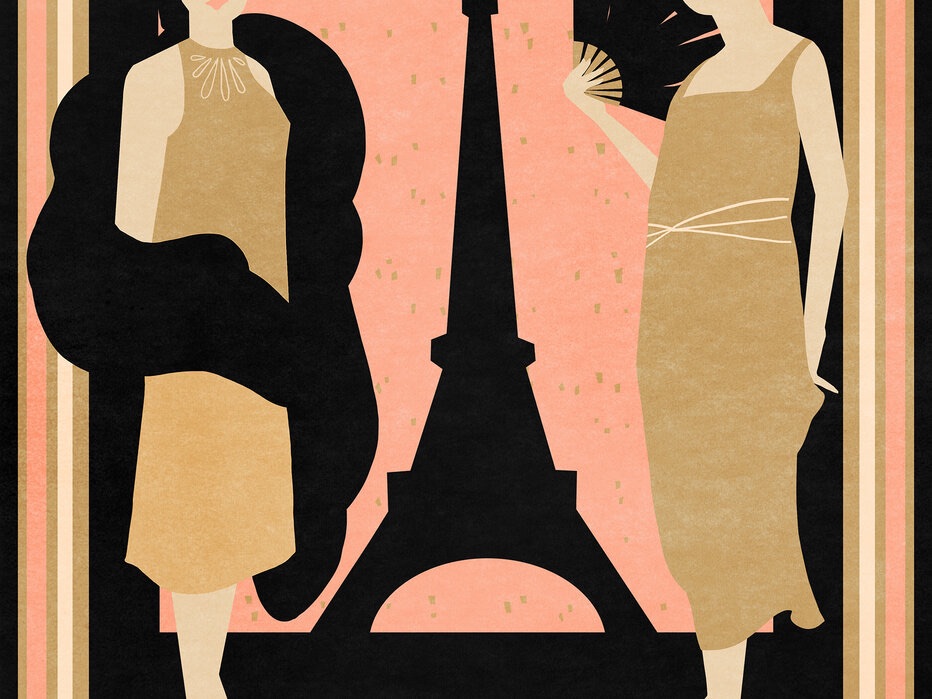
The First World War left Paris feeling wounded and restless. Though conflict left scars across the streets, cafés and salons quickly filled up again with conversations, laughter, and artistic aspirations. The war disrupted the old order, and in its wake, people were eager for a fresh start. Artists, poets, and musicians moved away from the intense emotionalism of late Romanticism and the turmoil of early modernism. From this restless energy, French Neoclassicism emerged—a musical revolution that celebrated wit, clarity, and playful joy..
Darius Milhaud (1892–1974)
Scaramouche I. Vif
Christian Ivaldi and Noël Lee (pianos)
Francis Poulenc (1899–1963)
Concert champêtre
Elisabeth Chojnacka (harpsichord)
Orchestre National de Lille
Jean-Claude Casadesus (conductor)
Henri Sauguet (1901–1989)
Les Forains: Entreé des Forains
Orchestre de Capitole du Toulouse
Michel Plasson (conductor)
Jean Françaix (1912–1997)
Wind Quintet No 1
Berlin Philharmonic Wind Quintet
Jean-Michel Damase (1928-2013)
Symphonie: III Allegro
BBC Concert Orchestra
Martin Yates (conductor)
Paris in the 1920s thrived on contrasts. Nostalgia for order and tradition coexisted with fascination for jazz clubs, cabarets, and the avant‑garde. The composer collective known as Les Six – Darius Milhaud, Francis Poulenc, Arthur Honegger, Georges Auric, Louis Durey, and Germaine Tailleferre – embodied this spirit. Their music rejected Wagnerian excess and Impressionist haze. Instead, they sought leaner, sharper, more accessible sounds that mirrored the city’s determination to rebuild with discipline and delight.
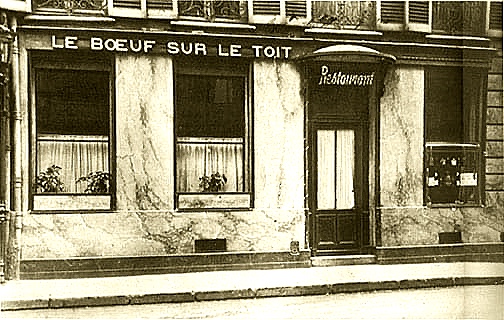
Cafés such as Le Bœuf sur le Toit rose as cultural landmarks. Named after Milhaud’s ballet, the venue hosted meetings where high art mingled with popular culture, and Jean Cocteau’s wit collided with jazz rhythms imported from America. In this vibrant landscape, French Neoclassicism flourished not merely as a style but as a statement: composers proved music could be refined and rebellious, rooted in tradition yet alive to the modern pulse.
French Neoclassicism never confined itself to the past. Composers reimagined earlier forms. They borrowed sonata structures, fugues, and dance suites from the Baroque and Classical eras, then infused them with modern harmonies, syncopated rhythms, and sly humour. Their music felt familiar yet fresh, balancing tradition with innovation.
Where Stravinsky’s neoclassicism often carried austerity, the French variant leaned toward theatricality and charm. Poulenc’s Concert champêtre and Milhaud’s Scaramouche sparkle with playful melodies and unexpected twists. These works remind us that joy and irony could be as revolutionary as seriousness.
Composers also experimented with instrumentation. Poulenc revived the long‑abandoned harpsichord with his concerto for Wanda Landowska. Milhaud gave the saxophone a home in Scaramouche. Chamber ensembles, with their transparent textures, favoured timbre and counterpoint. This music revelled in colour, thrived on the interplay of voices, and delighted in the art of contrast.
Milhaud absorbed samba and choro rhythms during his years in Brazil and wove them into his Parisian works. Jazz, folk traditions, and non‑Western influences enriched the palette. The cosmopolitan character of the movement reflected Paris itself -a city open to the world, eager to absorb and transform.
Composer Portraits
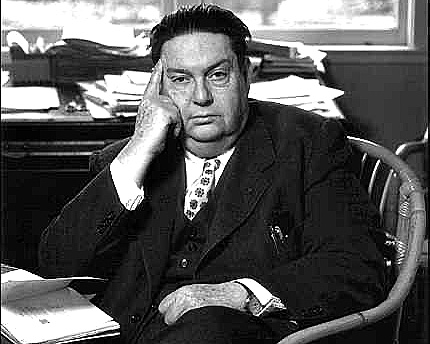
Darius Milhaud grew up in Aix‑en‑Provence surrounded by Provençal culture and Jewish heritage. His studies at the Paris Conservatoire brought him into contact with Paul Dukas and Charles Koechlin, but his friendships with Cocteau and Satie drew him into Les Six. Brazil exposed him to samba and polytonality, inspiring his lifelong fascination with layered tonalities.
Milhaud’s generosity and humour defined his teaching at Mills College in California. He mentored Dave Brubeck, who recalled classes as “a whirlwind of ideas, where jazz and classical collided.” Milhaud’s openness to jazz already shone in La création du monde (1923), one of the first major classical works to incorporate jazz idioms.
His suite Scaramouche (1937), originally incidental theatre music, became a concert favourite in versions for two pianos and for saxophone and piano – the opening movement, Vif, layers two keys at once, producing a dissonant yet exhilarating effect. Syncopated rhythms and Brazilian inflexions give the music its mischievous sparkle. Milhaud described it as “a celebration of the energy and colour I discovered in Brazil.” The piece exemplifies his philosophy: music should bring joy, even when technically daring.
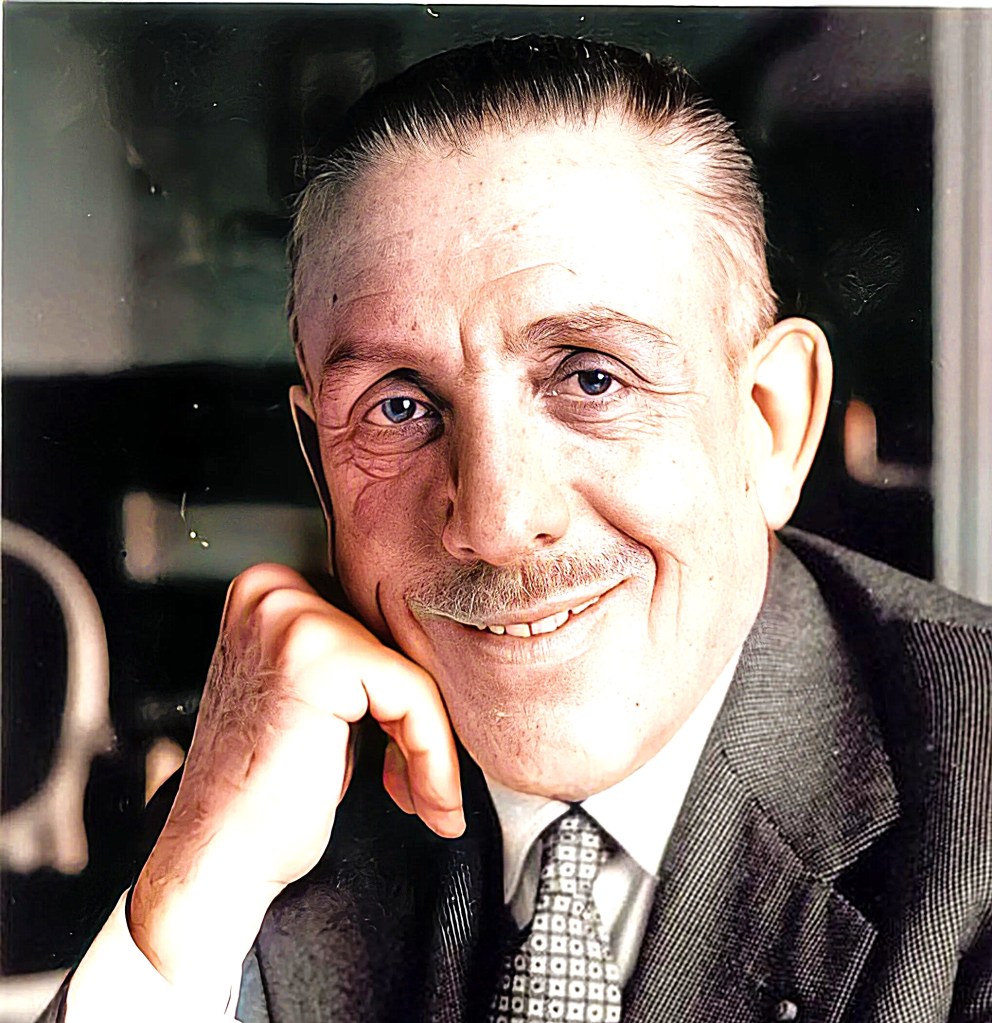
Francis Poulenc, born in 1899, taught himself much of his craft while absorbing lessons from Ricardo Viñes and the Parisian avant‑garde. His music blended lyricism, irony, and emotional candour. He juxtaposed humour with pathos, sacred with secular, without hesitation.
He revived the harpsichord with Concert champêtre (1927–28), written for Wanda Landowska. Landowska insisted the instrument could speak to modern audiences, and Poulenc responded with a concerto both elegant and cheeky. The crisp metallic timbre of the harpsichord contrasts with lush orchestration, while the finale dances with insouciant wit. Poulenc himself called it “gay and carefree.”
Their friendship brimmed with eccentricity. Landowska famously phoned him at midnight to share revelations about Baroque interpretation. Their collaboration symbolised the neoclassical impulse: reviving the past with modern flair and humour.
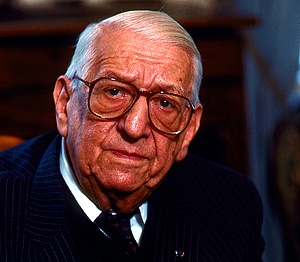
Henri Sauguet, born Henri‑Pierre Poupard in 1901, adopted his mother’s maiden name to pursue a musical career against his father’s wishes. He worked as a shorthand typist while studying with Joseph Canteloube, until Milhaud introduced him to Parisian avant‑garde circles.
Sauguet’s ballet Les Forains (1945) remains his most enduring work. Premiered at the Théâtre des Champs‑Élysées, it depicts travelling circus performers with orchestral colour and folk‑like melodies. The Entrée des Forains bursts with energy, evoking nostalgia for the fairground. Sauguet told stories through music without words, making them accessible yet rich in atmosphere. He once wrote, “Music is not merely a way of life: it is life itself.”
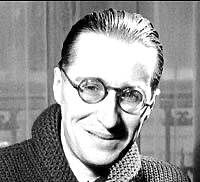
Jean Françaix, born in 1912, composed from the age of six. Nadia Boulanger nurtured his talent, famously claiming he had mastered harmony instinctively — a remark he later mocked with wit. Françaix’s music embodied elegance, clarity, and humour.
His Wind Quintet No. 1 (1948) exemplifies his style. He wrote it for the French Radio Orchestra’s quintet, balancing virtuosity with accessibility. Transparent textures let each instrument shine, while rhythmic sparkle and melodic interplay created refined playfulness. Françaix declared, “My music exists to give pleasure. Life is too short to be serious all the time.” His quintet elevated the genre and secured his place as a master of neoclassical wit.
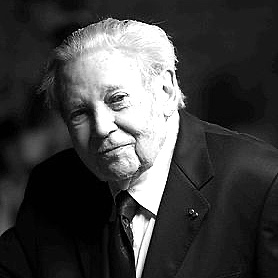
Jean‑Michel Damase, born in 1928, grew up in a musical family. His mother, harpist Micheline Kahn, inspired him to compose at nine, setting Colette’s poems to music. He studied piano with Alfred Cortot at the Paris Conservatoire and won First Prize at the age of eleven.
In his Symphonie (1958), Damase blended Romantic warmth with neoclassical clarity. Its three movements follow traditional form, but the harmonic language is modern and the textures refined. The finale brims with energy yet retains lyrical sophistication. Damase described the work as “a bridge between Romanticism and Neoclassicism,” insisting that music must live and breathe rather than remain a museum piece. His oeuvre offered a more introspective voice within the neoclassical tradition.
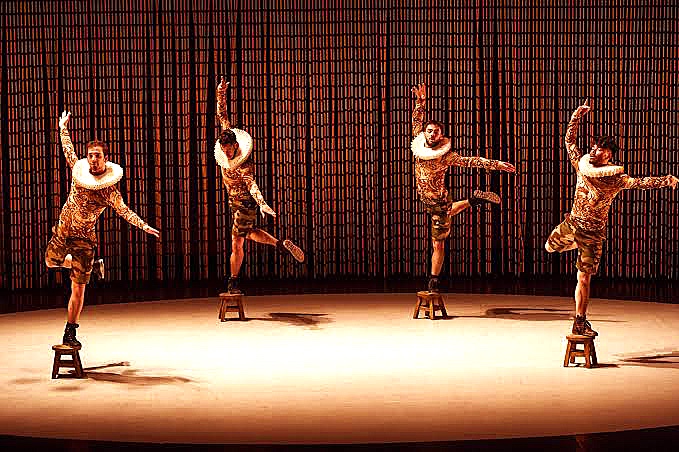
Blurring Boundaries
French Neoclassicism never confined itself to Parisian salons. Its openness to outside influences gave it a cosmopolitan flavour – jazz electrified composers after the war. Milhaud scored La création du monde (1923) for a small orchestra with saxophone, clarinet, and brass, using blues scales and syncopation to tell a mythological story. The work showed how French Neoclassicism could embrace modern rhythms without losing clarity of form. For Poulenc and Auric, cabaret mattered as much as the concert hall. This willingness to blur boundaries gave French Neoclassicism its wit and accessibility.
Milhaud absorbed samba and choro in Brazil and wove them into Scaramouche and other works. Sauguet drew on French folk melodies in Les Forains, while Tailleferre incorporated Spanish and Latin American colours. The style remained recognisably French yet enriched by global textures.
The Influence of French Neoclassicism
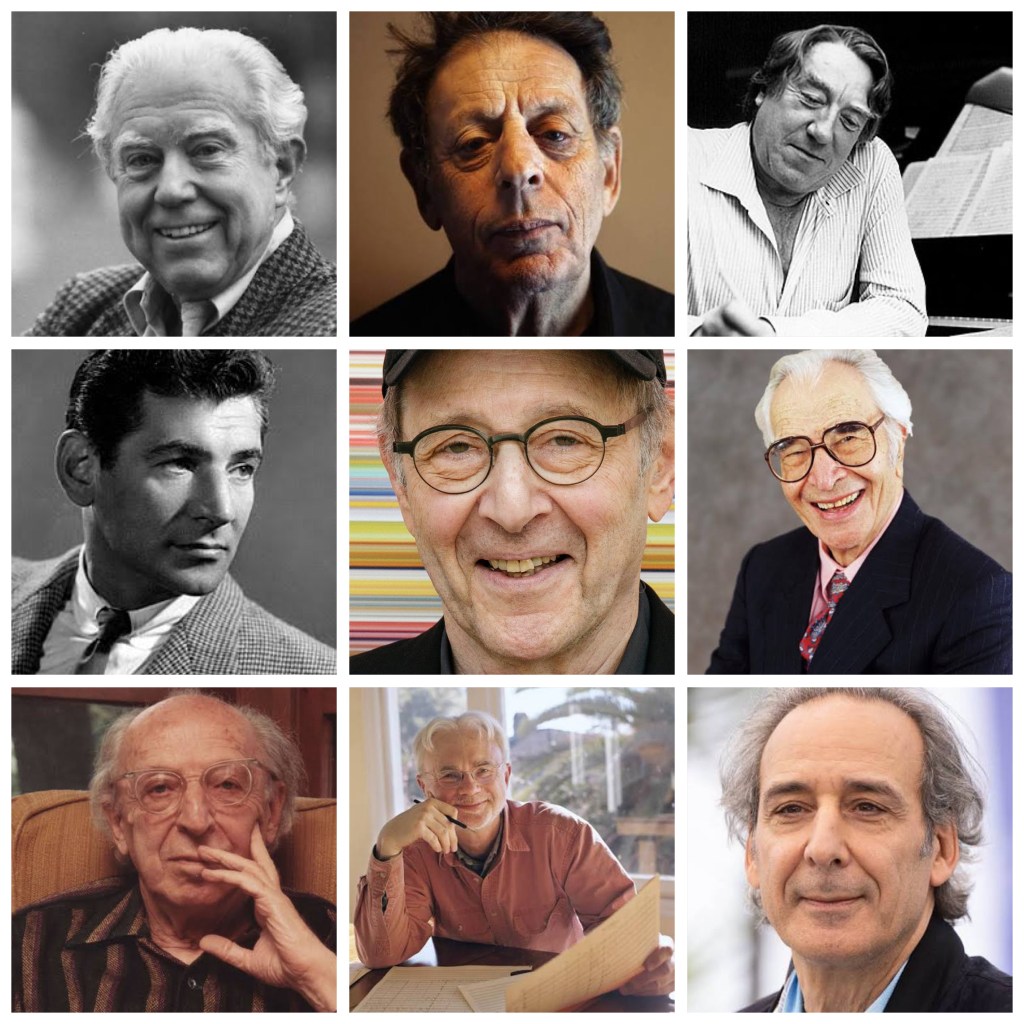
Nadia Boulanger transmitted French Neoclassicism abroad. At Fontainebleau, she trained American composers – Copland, Bernstein, Carter – and instilled discipline in counterpoint and clarity. Copland’s Appalachian Spring and Bernstein’s Jeremiah Symphony carry traces of this neoclassical precision, adapted to American idioms.
Minimalist composers of the late 20th century – Philip Glass, Steve Reich, and John Adams – rejected tonal harmony but embraced clarity, repetition, and accessibility. Glass’s Music in Twelve Parts and Adams’s Shaker Loops echo the structural elegance of Poulenc and Françaix, showing how neoclassical ideals resurfaced in new guises.
Composers shaped French Neoclassicism with clarity and emotional directness, making it ideal for cinema. Bernard Herrmann scored Hitchcock films with transparent textures and taut themes. Georges Delerue gave the French New Wave lyrical soundtracks. Alexandre Desplat carried the tradition into the 21st century, acknowledging Poulenc and Françaix as inspirations and translating their wit and elegance naturally to film.
Milhaud’s openness to jazz influenced Dave Brubeck, who studied with him at Mills College. Brubeck’s polytonal experiments grew directly from Milhaud’s teaching. Later jazz arrangers such as Gil Evans drew on neoclassical clarity in orchestrations for Miles Davis’s Birth of the Cool. Wynton Marsalis continued the dialogue in works like All Rise, blending jazz improvisation with neoclassical structures.
Why French Neoclassicism Matters Today
French Neoclassicism was more than a stylistic detour; it was a cultural renaissance. By revitalising old forms and embracing new influences, composers such as Milhaud, Poulenc, Sauguet, Françaix, and Damase created music that remains fresh and engaging. Their works remind us that tradition and innovation need not be opposites.
As Alexandre Desplat observed, “French Neoclassicism taught us that music can be both rigorous and deeply human.” That lesson continues to resonate. Whether in the concert hall, the cinema, or the jazz club, the legacy of French Neoclassicism endures – witty, clear, joyful, and cosmopolitan.


Leave a comment