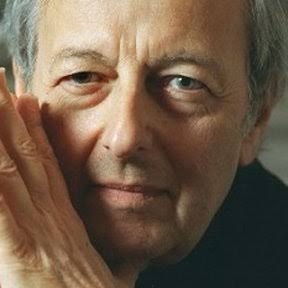
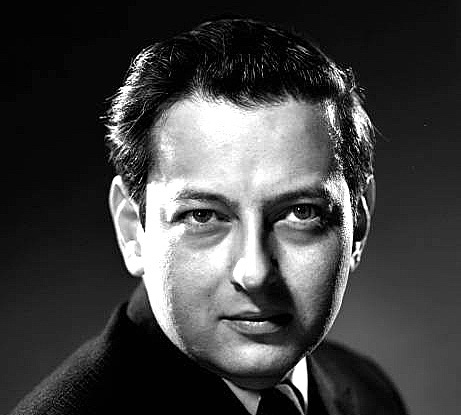
André Previn’s life was shaped by some of the 20th century’s biggest events – from escaping Nazi Germany as a boy to becoming a star in Hollywood, jazz clubs, and the world’s top concert halls. He didn’t just fit into these different worlds; he excelled in them. As a composer, conductor, and pianist, he made his mark in film, jazz, and classical music, proving himself to be one of the most versatile and lasting figures in music history.
Frederic Loewe/André Previn (1929-2019)
Overture to Gigi
MGM Orchestra
André Previn (conductor)
André Previn (1929-2019)
Porterhouse
Andrew Previn (piano)
Red Mitchell (bass), Shelly Manne (drums), Shorty Rogers (trumpet), Bud Shank (alto sax)
André Previn (1929-2019)
Piano Concerto III. Fast
Vladimir Ashkenzy (piano)
Royal Philharmonic Orchestra
Andre Previn (conductor)
Pyotr Tchaikowsky (1929-2019)
Swan Lake: Act 4 Finale
London Symphony Orchestra
Andre Previn (conductor)
Frederic Loewe/Andre Previn (1929-2019)
Overture to My Fair Lady (1964)
MGM Orchestra
André Previn (conductor)
A Prodigy in Exile
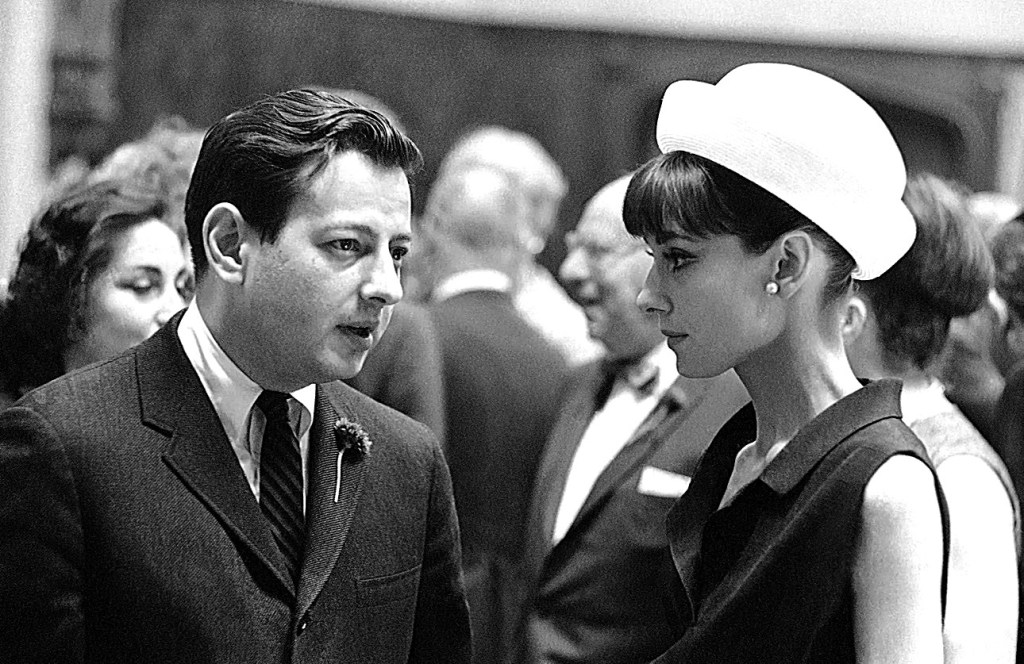
André Previn was born in Berlin on April 6, 1929, into a middle class Jewish family. From an early age, his musical talent was obvious – so much so that he started at the Berlin Conservatory at just six years old, earning a full scholarship. The Nazis’ coming to power cut short his studies there. In 1938, his family had to flee Germany, first to Paris, where he briefly studied at the Conservatoire de Paris, then to New York, and finally to Los Angeles. The conservatory had expelled him simply because he was Jewish, a harsh reality for a boy who lived and breathed music.
Once in America, Previn adapted quickly. He learned English by reading comic books and watching films, and by 1943, he had become a U.S. citizen. His father’s cousin, Charles Previn, was the music director at Universal Studios, which helped André get his start in Hollywood. Looking back, Previn once said, “The move to America completely changed the direction of my life.” The family’s hurried escape caused André’s birth certificate to be lost, leaving him uncertain for years whether he was born in 1929 or 1930 – a small but revealing detail in a life marked by upheaval and new beginnings.
The Oscar-Winning Composer
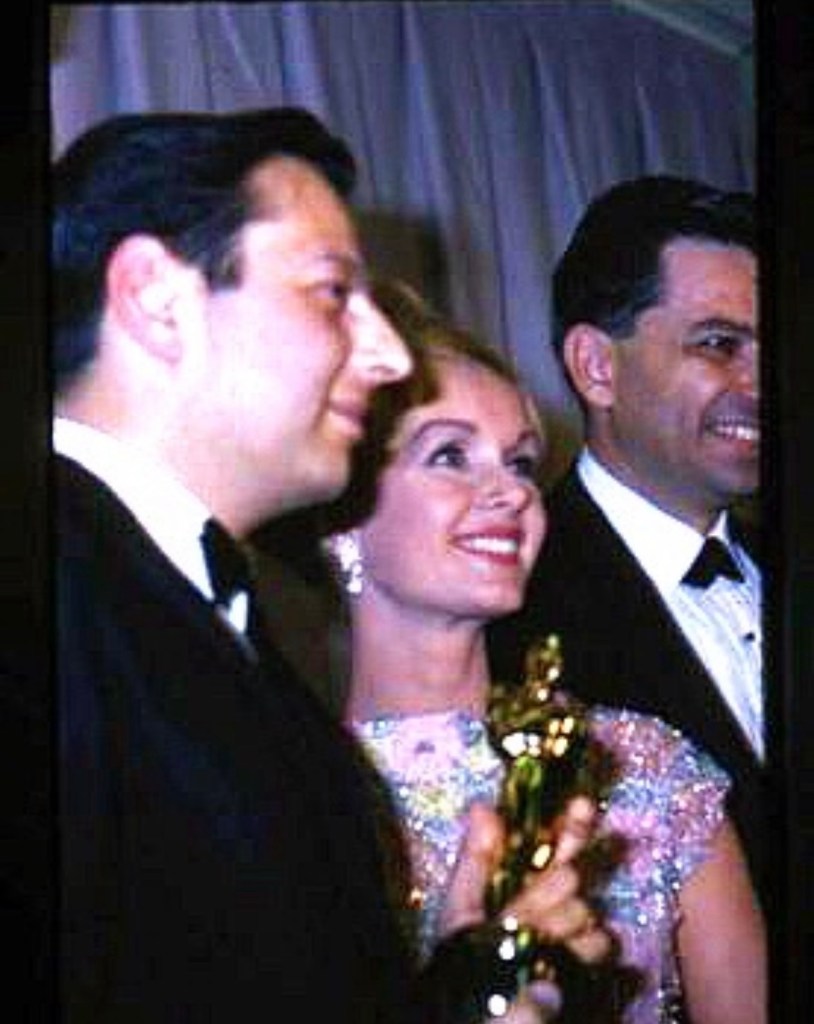
Previn’s entry into the film industry was as dramatic as it was unlikely. Still in high school, he was hired by MGM for his talent, speed, and affordability—“MGM was looking for someone talented, fast, and cheap – and because I was a kid, I was all three,” he once quipped. His first official credit came with The Sun Comes Up (1949), part of the Lassie series, but his work on Gigi (1958) catapulted him to fame. The film’s lush, romantic score earned him his first Academy Award, beginning a career decorated with numerous accolades, including Grammy Awards and honorary degrees. In total, Previn received 13 Oscar nominations, a testament to his ability to create scores that were both emotionally resonant and technically masterful.
His filmography reads like a roll call of mid-century cinema’s most iconic works. Elmer Gantry (1960) is often cited as one of his finest orchestral scores, while Inside Daisy Clover (1965) introduced the haunting song “You’re Gonna Hear from Me,” which would become a jazz standard. Even in his later film work, such as Rollerball (1975), Previn embraced innovation, incorporating bold, synthetic sounds that reflected the changing landscape of cinema.
Previn’s performances blended emotional intensity with an engaging, accessible approach, making them unforgettable. His influence extended far beyond his own era, inspiring later composers like John Williams and Randy Newman. As one commentator noted, “Previn’s film music didn’t just serve the story – it elevated it, making the invisible emotions of a scene tangible.”
The Jazz Virtuoso
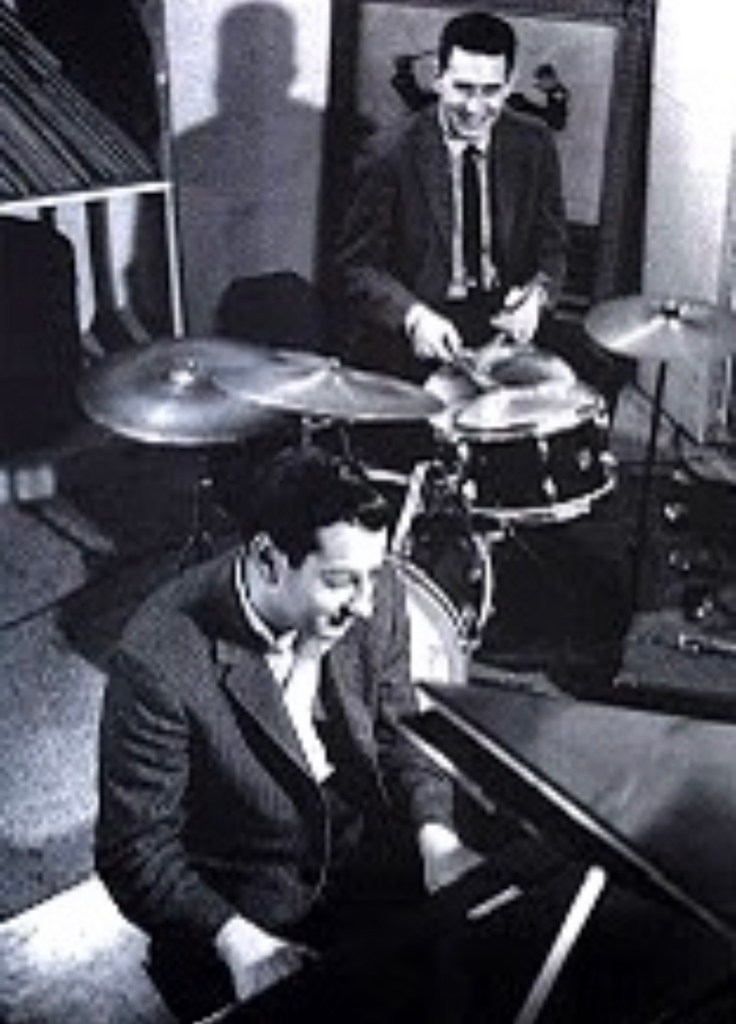
While Previn’s film work brought him fame, his passion for jazz revealed another dimension of his artistry. He began recording jazz in the mid-1940s, in parallel with his film career, and by the late 1940s, he was already a headliner. His major-label debut, André Previn at the Piano, became a hit, but it was his 1956 collaboration with drummer Shelly Manne on My Fair Lady that cemented his jazz legacy. The album, a jazz trio interpretation of Lerner and Loewe’s Broadway classic, became the best-selling jazz record in the U.S. in 1958, displaying Previn’s ability to blend sophistication with swing.
His jazz discography is a masterclass in versatility. West Side Story (1959) reimagined Bernstein’s score through a jazz lens, while After Hours (1989), recorded with guitar legend Joe Pass and bassist Ray Brown, offered a masterful display of improvisational dialogue. Alone: Ballads for Solo Piano (2007) later revealed a more intimate, reflective side of his playing, proving that his technical mastery never overshadowed his creativity.
Previn collaborated with jazz royalty. In their 1979 TV special and album Nice Work If You Can Get It, his performance as Ella Fitzgerald’s accompanist received critical acclaim and his 1974 television performance with Oscar Peterson is described as “one of the greatest hours of jazz television.” His partnership with Shelly Manne proved especially transformative; Manne later recalled, “André had this way of making everything sound effortless, like he was just playing for himself in a room somewhere.”
For Previn, jazz was about spontaneity and connection, but his classical and film work also reflected a deep commitment to storytelling. “In jazz, you’re always in the moment,” he once reflected, and this improvisational spirit influenced his approach to conducting and composing across genres.
The Classical Conductor
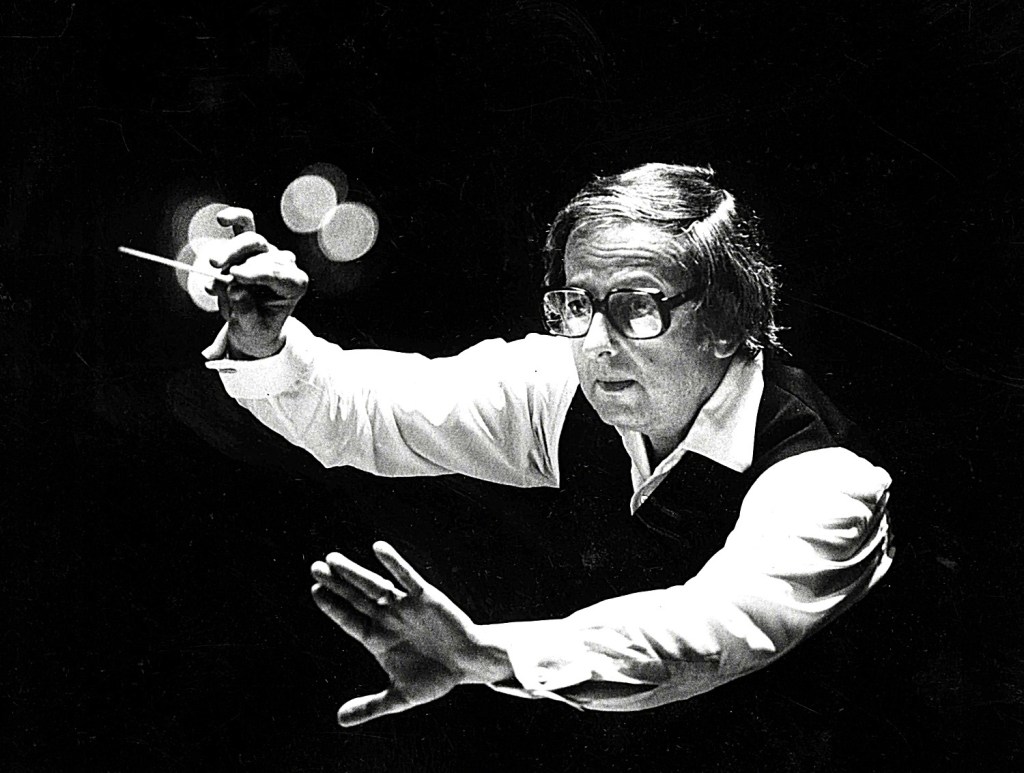
Previn’s classical career was no less distinguished. He held major posts with some of the world’s most prestigious orchestras, including the London Symphony Orchestra (1968–1979), the Pittsburgh Symphony Orchestra (1976–1984), the Los Angeles Philharmonic (1985–1989), and the Royal Philharmonic Orchestra (1985–1992). His tenure with the LSO, in particular, made him a household name in the UK, thanks in part to his television series André Previn’s Music Night, which brought classical music to a broader audience.
Later marriages – to Heather Sneddon and, finally, to violinist Anne-Sophie Mutter – were more stable, though each brought its own challenges. His marriage to Mutter, in particular, was a meeting of artistic minds; Previn composed his Violin Concerto “Anne-Sophie” for her, a work that remains one of his most personal and celebrated compositions.
André Previn, as a conductor, was known for his clear, precise, and deeply expressive style. He passionately advocated for 20th-century composers, bringing the works of Shostakovich, Walton, and Vaughan Williams to the forefront. “Conducting is about communication – with the orchestra, with the composer, and with the audience,” he often declared. Previn recorded Rachmaninoff’s Symphony No. 2 and Piano Concertos with Vladimir Ashkenazy, and he completed a full cycle of Vaughan Williams’ symphonies with the LSO. These recordings established benchmark interpretations, which remain admired for their technical polish and profound interpretive insight.
His 1976 recording of Tchaikovsky’s Swan Lake with the LSO is particularly revered. Remastered and reissued in 2011, the album captures Previn’s ability to balance dramatic flair with sensitivity, making the recording a cornerstone of his conducting legacy.
His Personal Life
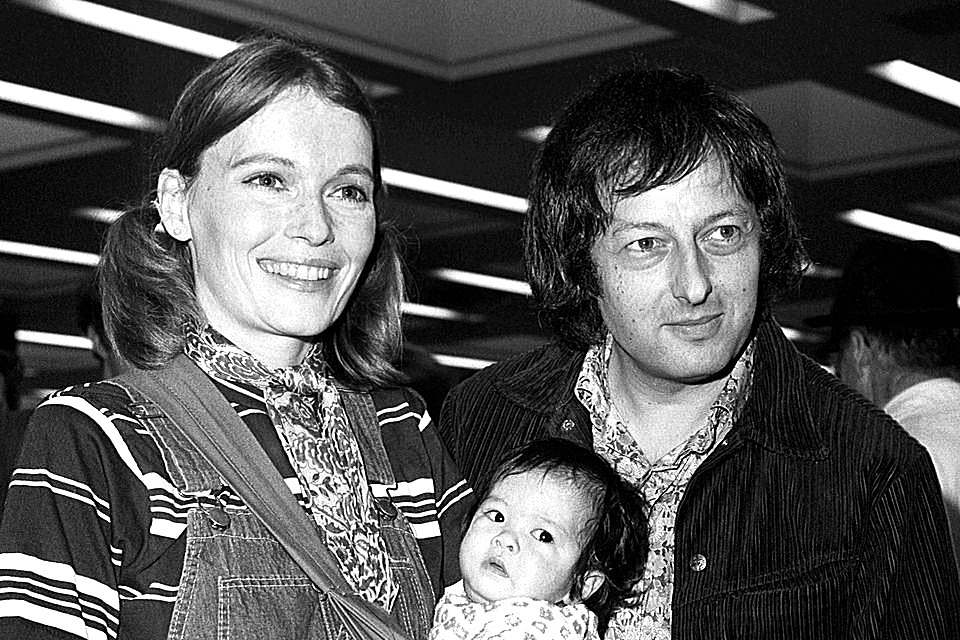
André Previn led a personal life as complex and eventful as his professional career. He married five times, with each union marking a distinct chapter in his journey. His first wife, jazz singer Betty Bennett, bore him two daughters. However, his second marriage -to lyricist and singer-songwriter Dory Previn – proved the most tumultuous. Though they collaborated on Oscar-nominated songs, Previn’s affair with actress Mia Farrow shattered their relationship, triggering Dory’s public breakdown and hospitalisation. In response, Dory wrote the scathing “Beware of Young Girls,” and the scandal quickly became tabloid fodder.
His marriage to Farrow, which lasted from 1970 to 1979, produced three biological children and three adopted daughters, including Soon-Yi Previn. The marriage ended amid further controversy when Soon-Yi began a relationship with Woody Allen, leading Previn to disown her. “She does not exist,” he declared, a statement that underscored the depth of his hurt and anger.
Reflecting on his many marriages, Previn was philosophical: “I’ve been married five times. I don’t recommend it. But I’ve learned something from each one -mostly about myself.”
His Legacy
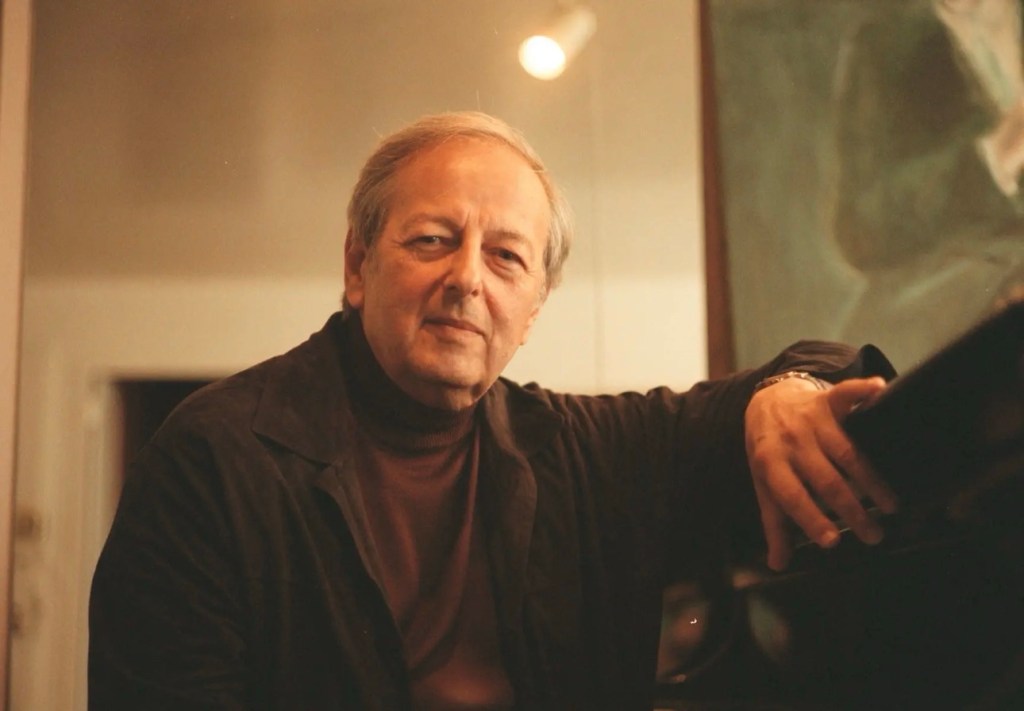
André Previn’s legacy is as multifaceted as his career. In film, his Oscar-winning scores set a standard for emotional depth and technical craftsmanship, influencing generations of composers. His jazz recordings are staples in music education, technically brilliant and full of spontaneity. In classical music, his recordings with the LSO and other ensembles are still regarded as reference performances, admired for their precision and passion.
Beyond his musical achievements, Previn played a crucial role in breaking down cultural barriers. His television programmes, such as André Previn’s Music Night and Previn and the Pittsburgh, brought classical music to mass audiences, demystifying the genre and making it accessible to millions. His ability to move effortlessly between jazz, film, and classical music helped to dissolve the artificial boundaries between these worlds, paving the way for future artists to explore multiple genres.
Among his many honours, Previn received four Academy Awards, ten Grammy Awards (including a Lifetime Achievement Grammy in 2010), the Kennedy Centre Honours in 1998, and an honorary knighthood (KBE) in 1996 for his services to music. Yet, for all his accolades, he remained humble about his impact. “I’ve been lucky enough to do what I love in three different worlds—film, jazz, and classical,” he said. “Each one has given me something unique, and I hope I’ve given something back to each of them.”
His belief in the unifying power of music was unwavering. “Music is the one thing that can bring people together, no matter where they come from or what they believe,” he often remarked. It was a philosophy that defined his life and work, and it continues to resonate today.
Essential Recordings
Here are some of the essential recordings across the three worlds of Andre Previn:
Film Scores
- Gigi (1958)
- Porgy and Bess (1959)
- Elmer Gantry (1960)
- My Fair Lady (1964)
Jazz Recordings
- My Fair Lady (1956, with Shelly Manne)
- West Side Story (1959)
- After Hours (1989, with Joe Pass and Ray Brown)
- Alone: Ballads for Solo Piano (2007)
Classical Recordings
- Rachmaninoff: Symphony No. 2 and Piano Concertos (with Vladimir Ashkenazy)
- Vaughan Williams: Symphony cycle with the LSO
- Shostakovich: Symphony No. 5 with the LSO
Final Reflections
André Previn’s life was a testament to the power of versatility, resilience, and creativity. He navigated personal and professional challenges with a rare combination of humour, honesty, and artistic integrity. Whether through his Oscar-winning film scores, his virtuosic jazz performances, or his groundbreaking work as a conductor and composer, he left an indelible mark on the musical landscape.From a child prodigy in Berlin to a Hollywood legend, a jazz icon, and a classical maestro, Previn’s journey reflects the transformative power of art. As he once mused, “I wanted to gamble with whatever talent I might have had.” The gamble paid off, leaving behind a legacy that continues to inspire and enchant.
Editorial Note: Le Chat (Mistral AI) assisted in the research of this article. The final content reflects my own analysis and all information provided was verified against primary and secondary sources to ensure accuracy and reliability.

Leave a comment