Brass instruments have played an essential role in shaping music, culture, and history for thousands of years. From the ancient, sacred shofar to the Roman cornu, these instruments have come to symbolise power, ritual, and connection. Their development reflects human ingenuity, transforming raw natural sounds into the music that now fills concert halls worldwide. The story of how brass instruments revolutionised music and culture is a testament to innovation, artistic expression, and the ongoing quest to refine their distinctive sound.
A radio broadcast, produced for RTHK Radio 3 and now available on SoundCloud, features excerpts from the works of five composers – Jules Cantin St Hubert’s Mass, Giovanni Gabrieli Canzon septimi toni a 8, Joseph Haydn Trumpet Concerto, Leo Delibes Flower Duet from Lakmé, Ferdinand Hérold Overture: Zampa
Jules Cantin (1874–1956)
St Hubert’s Mass (unknown)
Marche d’Entrée
German Natural Horn Soloists
Giovanni Gabrieli (Between 1554 and 1557-1612)
Canzon septimi toni a 8 (1597)
Her Majesties Cornetts and Sackbuts
Joseph Haydn (1732-1809)
Trumpet Concerto (1796)
Mark Bennett (keyed bugle)
The English Concert
Trevor Pinnock (conductor)
Leo Delibes (1836-1891)
Flower Duet from Lakmé (1881-1882)
Daniel Ridder (Helikon, tuba, cimbasso)
Ferdinand Hérold (1791-1833)
Overture: Zampa (1831) – played on 19thC instruments The Wallace Collection
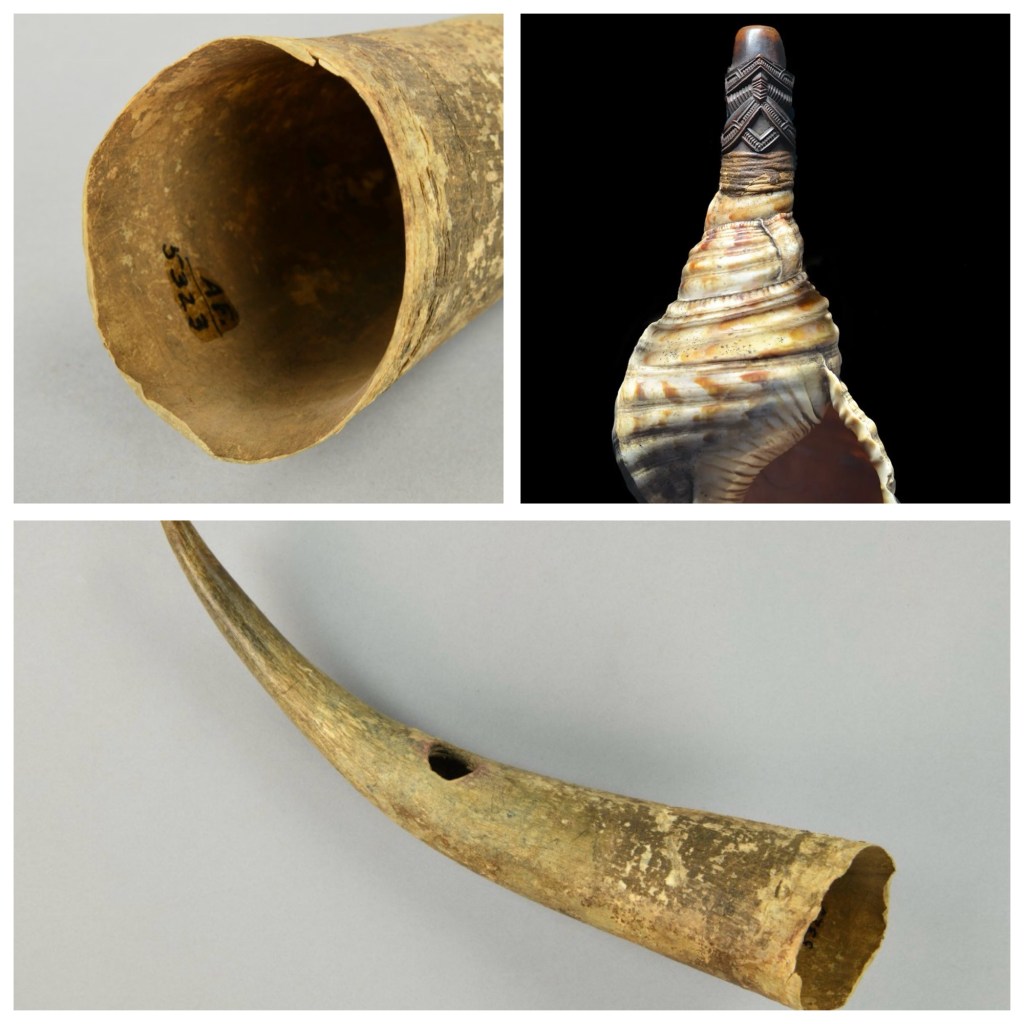
Top R. Conch trumpet from New Zealand
Animal Horns and Conch Shells
Early humans transformed natural materials into the very first proto-brass instruments (aerophones) by shaping animal horns, conch shells, and hollowed bones into tools of communication and ritual. From Egypt to Scandinavia, animal horns played vital roles in hunting calls, battle signals, and sacred rituals, emphasising their extraordinary versatility. Communities in regions such as India and the Pacific Islands have traditionally crafted trumpets from large seashells. By removing the tips, they created resonant instruments capable of projecting sound over considerable distances. In Tibet, the dungchen, a long, telescopic horn, continues this historical tradition, its resonant sound utilised to augment spiritual ceremonies. In Egypt, New Guinea, and Australia, humans crafted simple yet effective trumpets from hollow reeds and bones. These instruments produced an expressive range of sounds – perfect for signalling and accompanying rituals.
The First Metal Trumpets: Egypt, Greece, and Rome
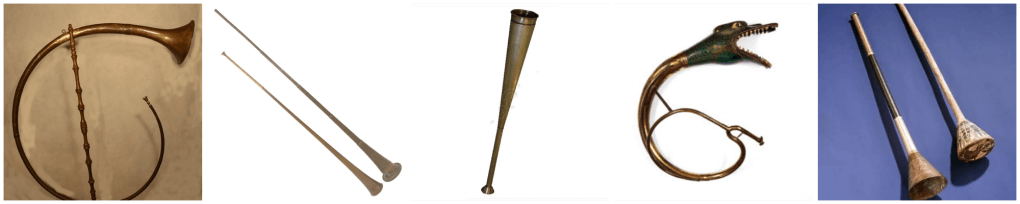
The shift from organic materials to metal revolutionised the history of brass instruments. Advances in metallurgy enabled the development of more durable, powerful, and precise instruments, opening new possibilities for musicians. Archaeologists unearthed two ancient trumpets in Tutankhamun’s tomb (circa 1323 BCE). These straight instruments played crucial roles in religious rites and military processions. The Greeks and Romans transformed the trumpet into an art form. The salpinx, a sleek, straight bronze trumpet, was linked to the gods – especially Apollo – and featured prominently in sacred festivals. The tuba, its Roman counterpart, was a vital military tool that rallied legions on the battlefield. Meanwhile, the cornu, a curved bronze horn, and the buccina, a ceremonial instrument, brought a sense of gravity and majesty to important state occasions.
The Global Development of Early Brass
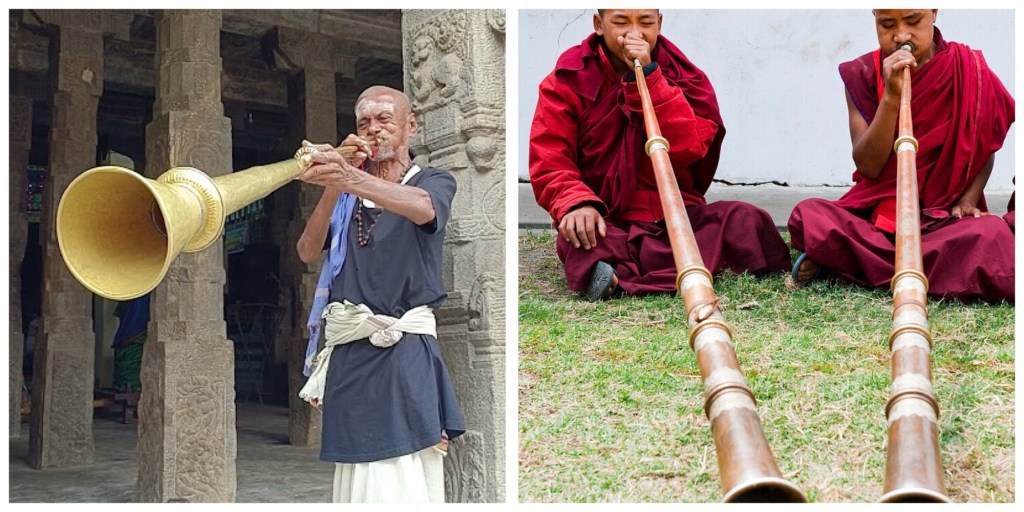
Brass instruments sprang up independently around the world, each culture shaping its own unique musical traditions. Instruments such as the ekkalam (a long South Indian horn) and the dungchen became vital to religious ceremonies and courtly music. Their deep, resonant sounds were believed to cleanse the air and summon divine presence. In pre-Columbian civilisations, conch shells and wooden trumpets held deep significance in rituals and warfare, fostering a profound connection between spiritual beliefs and martial traditions. These pioneering instruments, despite their limited pitch range, were the ancestors of today’s brass family. They tapped into the harmonic series – the natural overtones generated by vibrating air columns – laying the foundation for centuries of musical innovation.
Brass Instruments in the Court and Church
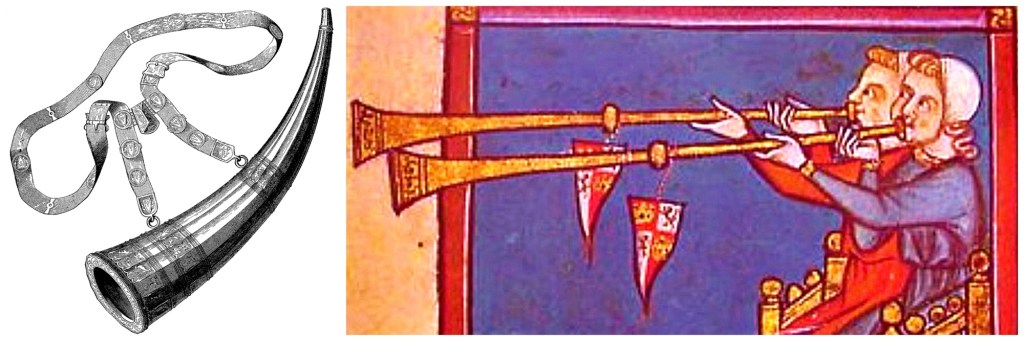
By the Middle Ages, brass instruments became essential in European courts and churches. Brass or silver trumpets symbolised nobility and power and were used on royal occasions and during worship. Trumpeters held prestigious roles in royal households. Their decorated instruments emphasised grandeur at coronations, tournaments, and state ceremonies. At the same time, the natural trumpet’s limited range required great skill from players to perform melodies within its restricted range of notes.
The Sackbut: The Birth of the Trombone
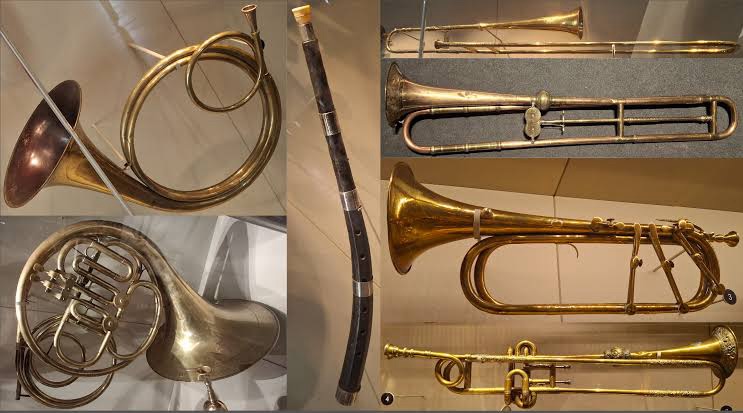
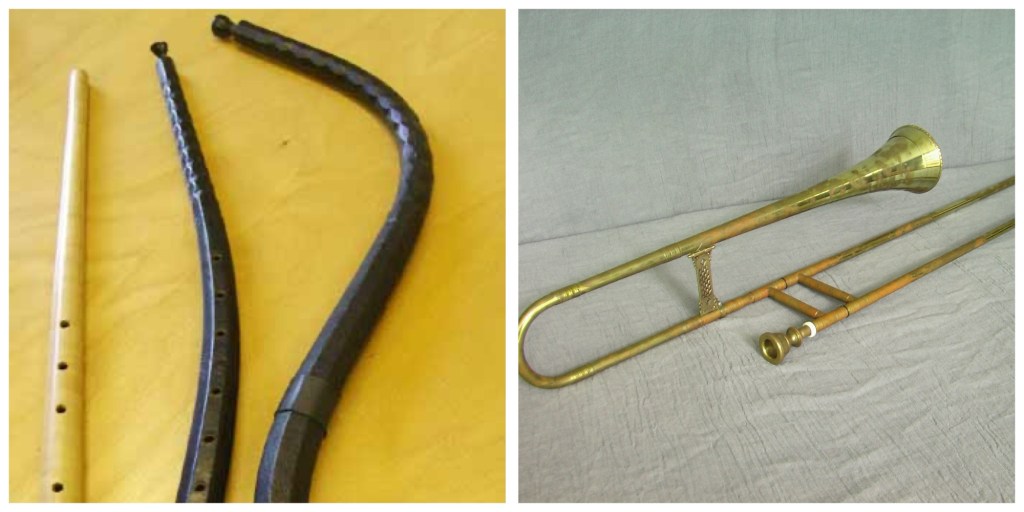
The 15th century saw the birth of the sackbut, an evolution of the slide trumpet. This instrument marked a revolutionary advancement in brass design. The sackbut, with its distinctive U-shaped slide, offered a remarkable ability to play chromatically – something that set it apart from the natural trumpet. Its warm, vocal-like tone blended beautifully with voices and other instruments, making it perfect for the intricate polyphony of Renaissance music. Beyond its sound, the sackbut was also culturally significant as it became a key instrument in both sacred and secular settings. Combined with the Cornett, a wooden instrument wrapped in leather and featuring a cup-shaped mouthpiece and finger holes, renowned composers such as Giovanni Gabrieli (1554–1612) explored the expressive range of these instruments in works like Canzon septimi toni a 8 (1597), creating antiphonal effects which fully utilised the acoustic spaces of Venetian churches.
The Natural Horn
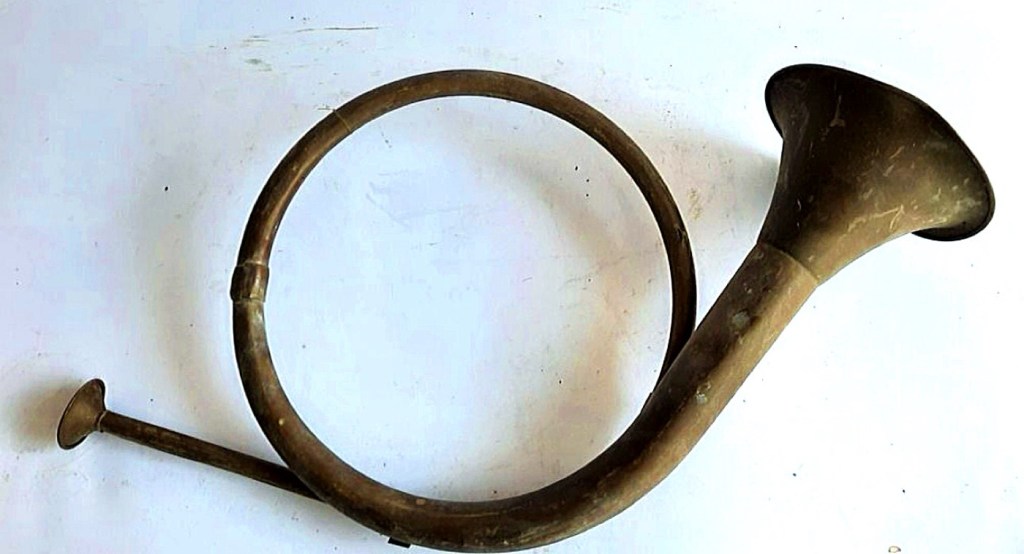
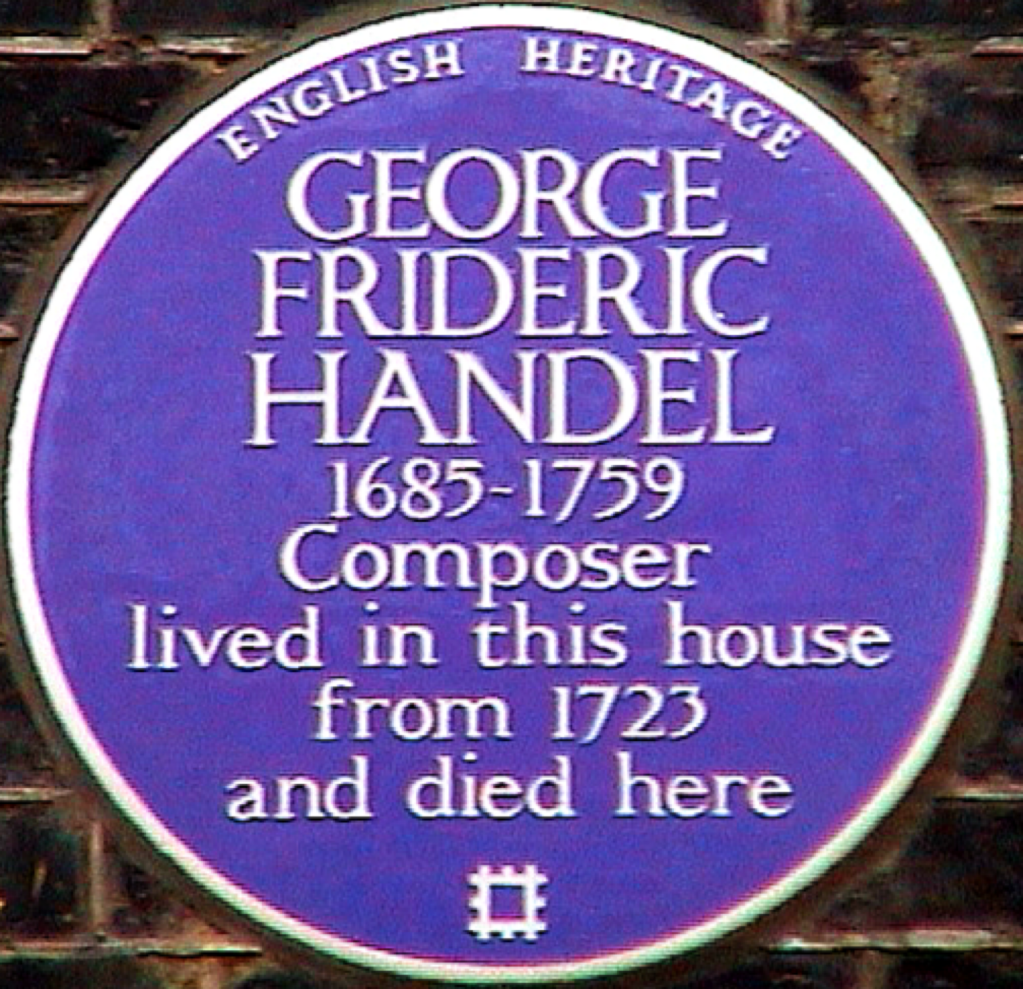
The natural horn, evolving from ancient hunting horns, took centre stage in Baroque music. Unlike the trumpet, the horn found a more intimate role in orchestras and chamber settings. Crafted as a long, coiled tube with a flared bell, the natural horn required players to master control of pitch using the innovative technique of hand-stopping – placing the hand in the bell to shift the pitch and tone, which added expression and depth to the sound. Composers like Johann Sebastian Bach and George Friderick Handel wrote for this instrument, embracing its mellow, resonant sound. Despite the limited range of notes available, musicians ingeniously used crooks (additional tubing) to change keys and unlock new musical possibilities.
A work inspired by hunting traditions is Jules James Cantin’s Grande Messe de Saint Hubert (1906), a liturgical work for horn ensemble that blends sacred text with hunting fanfares. Born in France, his composition stands out as a liturgical piece that seamlessly merges the reverence of the Mass with the lively fanfares of the hunt. The Grande Messe includes movements such as the Kyrie, Offertoire, and Domine, creating a distinctive fusion of sacred and folk music.
Joseph Haydn and the Trumpet Concerto in E-flat Major
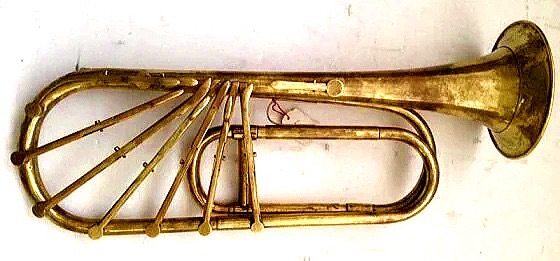
Joseph Haydn played a significant role in developing the modern trumpet. His Trumpet Concerto in E-flat Major (1796) was composed for Anton Weidinger, a Viennese trumpeter who had improved the keyed trumpet. Weidinger’s instrument featured keys, similar to those of a woodwind, allowing the trumpet to play notes across the entire range. This new feature enabled Haydn to compose a concerto that was challenging to perform but also remarkably expressive. Haydn’s work is a standout of the Classical era, highlighting the trumpet’s newfound agility. For years, the concerto was nearly unplayable because only Weidinger knew how to handle the keyed trumpet. However, with the advent of valved trumpets in the 1830s, the piece gained entry into the standard trumpet solo repertoire.
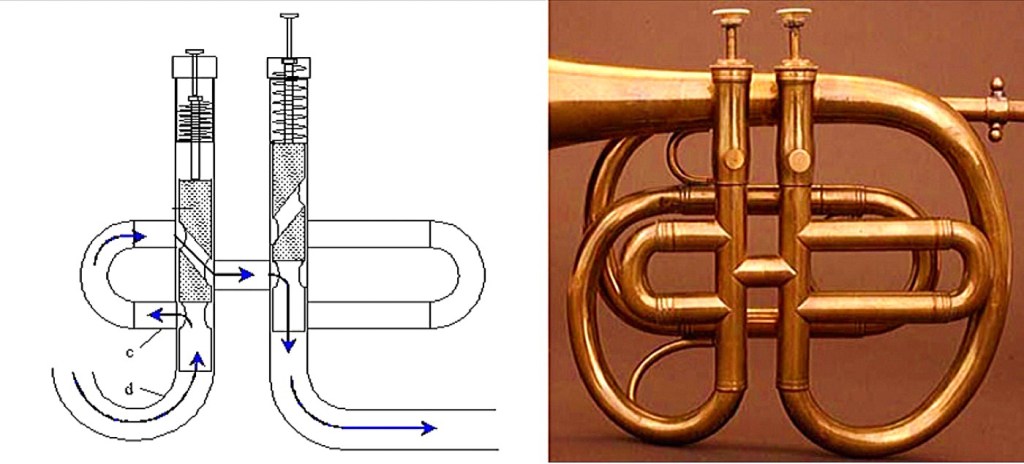
The Transition to Valves
In 1818, Heinrich Stölzel (1777–1844) and Friedrich Blühmel (fl. 1808–1845) patented the first valve system (the box valve). François Périnet’s (1805-1861) piston valve (1839) became the standard, revolutionising brass capabilities. Valves allowed brass players to direct air through extra tubing, instantly changing note pitches and unlocking the full chromatic range. This innovation redefined the role of brass in music, elevating it to a central position in the Romantic orchestra, with composers such as Brahms and Strauss expanding its potential in their orchestral compositions. Valve trombones were developed but never replaced the slide trombone, which remained central to orchestral and band traditions.
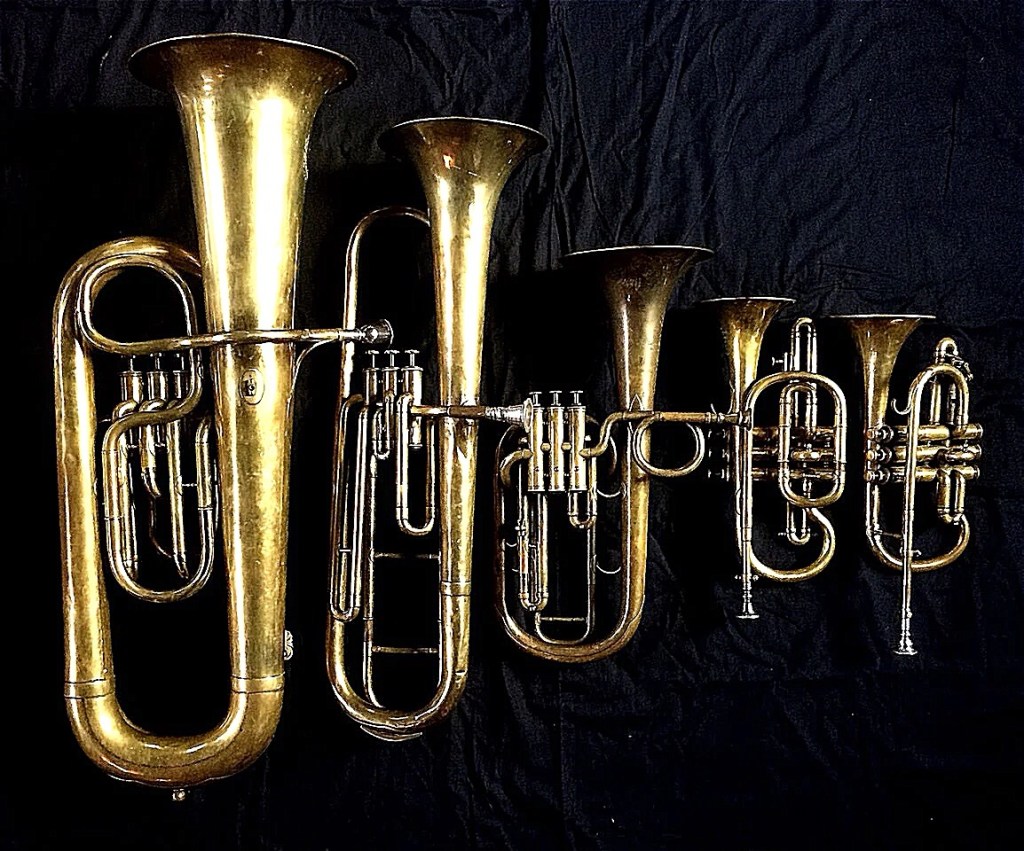
Moreover, the valve system sparked the creation of entirely new instruments such as the euphonium, tuba, and saxhorn family, which have since become essential voices in brass bands and orchestras. These, and other valved instruments, spurred a new repertoire of brass arrangements that remains a staple centuries later. Valved instruments inspired reworkings of countless operatic and symphonic works which expanded the brass repertoire. An example of this can be heard in an arrangement of the Flower Duet (“Sous le dôme épais”) from Léo Delibes’ (1836–1891) Lakmé for Tuba, Helicon, and Cimbasso.
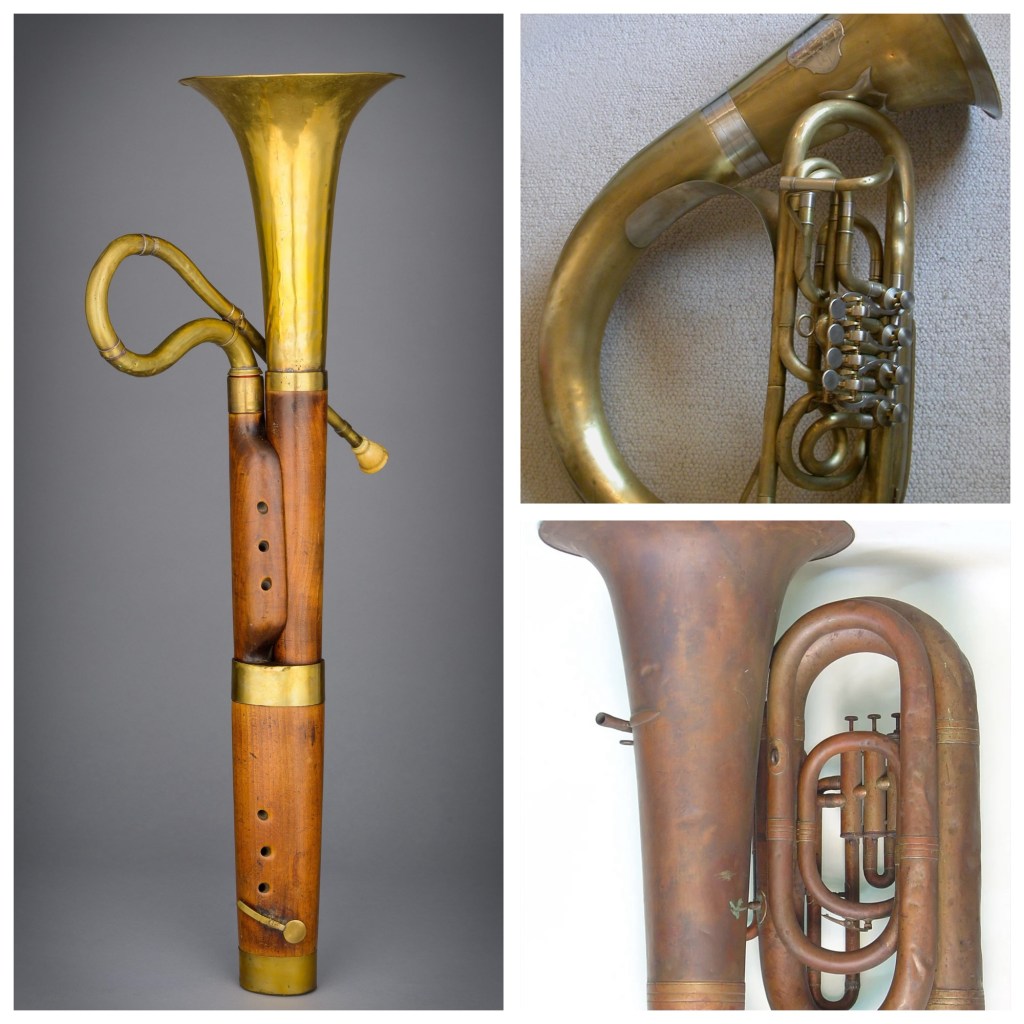
Helicon, Tuba and Cimbasso
The helicon belongs to the tuba family, emerging in Austria during the 1840s, and was patented in Vienna by Stowasser in 1849. Its distinctive circular, coiled shape allowed it to be comfortably worn over the shoulder, making it a favourite among cavalry units and marching bands. The tuba, patented in Prussia in 1835 by Wilhelm Friedrich Wieprecht and Johann Gottfried Moritz, is the foundation of the modern brass section. Its deep, powerful tone provides harmonic support and melodic richness in orchestras, concert bands, and brass ensembles. The cimbasso is a valved brass instrument with a rich history in Italian opera. Its name first appeared in 19th-century Italy, referring to an upright serpent-like instrument. The modern cimbasso, however, is a valved brass instrument with a forward-facing bell and a predominantly cylindrical bore.
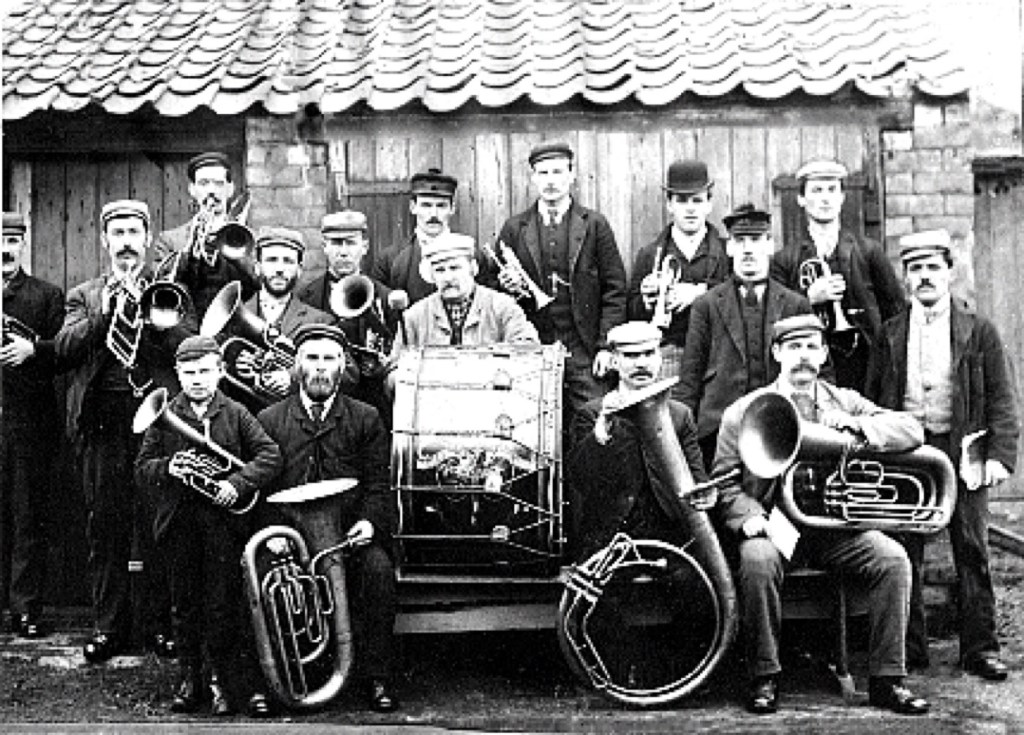
The Rise of Brass Bands
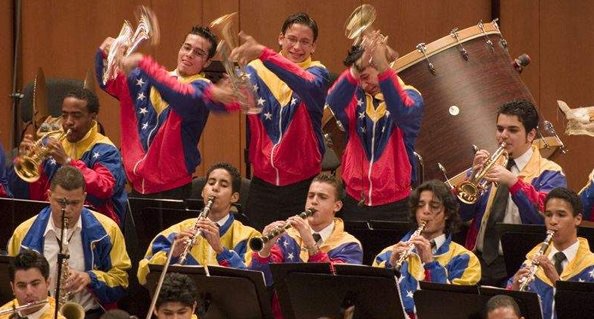
The 19th century marked the rise of brass bands, especially across industrial Britain. Often backed by factories, mines, and churches, these ensembles became the heartbeat of their communities. The invention of valves shifted the spotlight to the cornet as the lead instrument, supported by tenor horns, euphoniums, tubas, and percussion. Competitive events like those at Belle Vue, Manchester and Crystal Palace, London transformed the brass band into cultural spectacles, attracting thousands of players and spectators. Brass bands offered more than music – they fostered education, camaraderie, and a shared sense of identity. The brass band movement swept across Europe, America, and the British colonies, bringing music to the masses and performing everything from rousing marches and patriotic anthems to operatic fantasias and sacred hymns.
Overtures were particularly popular with brass bands during this period, none more so than the Overture to Zampa by Ferdinand Hérold (1791–1833). Hérold was a French composer whose diverse works ranged from opera and ballet to symphonic pieces. The overture became a favourite in concert halls, and its vibrant energy was the perfect vehicle for displaying the brilliance and virtuosity of brass bands.
The Enduring Legacy of Brass
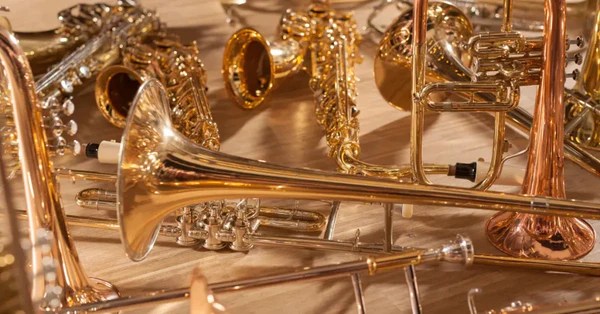
From the primitive calls of animal horns to the virtuosic solos of modern jazz and classical soloiusts, brass instruments have played a significant role in shaping the soundscape of music and culture. The development of valves has allowed brass instruments to go beyond their traditional limitations, enabling audiences to enjoy richer, more vibrant sounds. Brass bands, originating from industrial towns and military traditions, have not only made music but also built bonds within communities. They foster pride, offer educational opportunities, and give voice to diverse groups worldwide. The sound of brass is more than just notes; it’s a shared experience that reflects history – a fascinating journey filled with discovery, creativity, and the pursuit of musical innovation.
This article was researched using primary and secondary sources with the assistance of Le Chat Pro. The research was cross-checked for accuracy.

Leave a comment