
The idea of an “English Musical Renaissance” is less a fixed historical fact than a story we tell about a moment when English music suddenly seemed to find its voice. It is a label that clusters composers as diverse as Elgar, Vaughan Williams, Holst, Finzi, Tippett, and Walton under a single national banner, even as their styles point in very different directions. This piece treats the renaissance not as a simple discovery of tradition, but as a deliberate, often contested re‑imagining of what English music could be—a project shaped by war, nationalism, broadcasting, and a deep engagement with the past. For listeners who already know these composers’ works, the interest lies less in proving the myth than in tracing how that myth was heard, argued over, and lived out in sound.
A radio broadcast, produced for RTHK Radio 3 and now available on SoundCloud, features excerpts from the works of five composers – Constant Lambert The Rio Grande, Alan Bush Three Concert Studies Op 31, Gerald Finzi Grande Fantasia & Toccata, Michael Tippett Child of Our Time, William Walton Scapino: A Comedy Overture
Constant Lambert (1905–1951)
The Rio Grande (1927)
Orchestra of Opera North
David Lloyd Jones (conductor)
Alan Bush (1900–1995)
Three Concert Studies Op 31 (1947) No 1: Moto perpetuo
Adam Summerhayes
Catherine Summerhayes
Joseph Spooner (cello)
Gerald Finzi (1901–1956)
Grande Fantasia & Toccata
Peter Katin (Piano)
New Philharmonia Orchestra
Vernon Handley (conductor)
Michael Tippett (1905–1998)
Child of Our Time (between 1939 and 1941)
London Symphony Orchestra
Richard Hickox (conductor)
William Walton (1902–1983)
Scapino: A Comedy Overture (1940)
London Philharmonic Orchestra
Bryden Thompson (conductor)
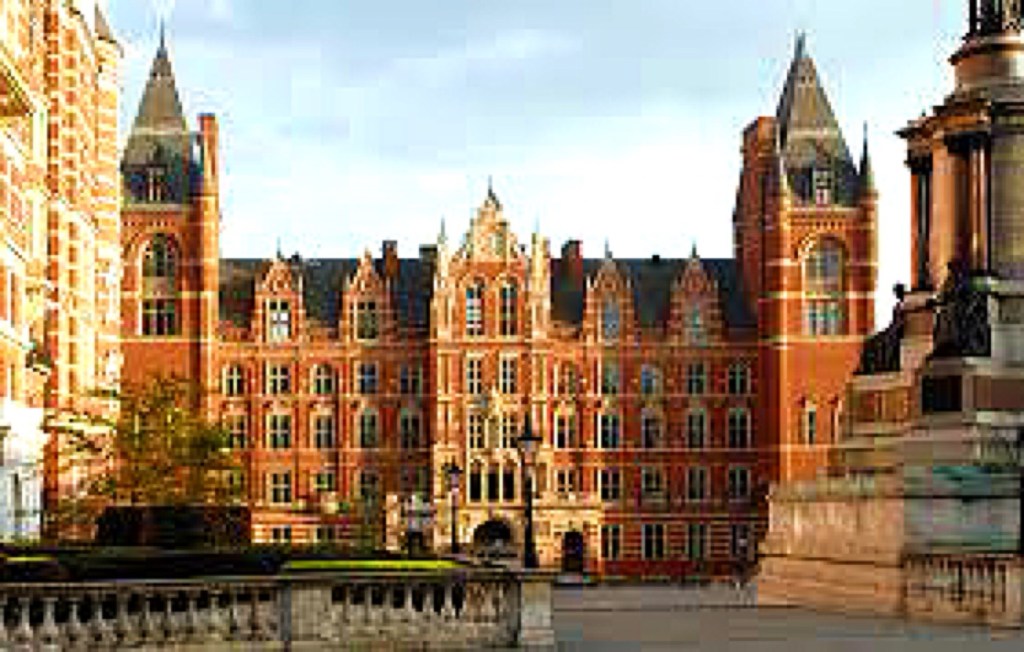
For centuries, England was celebrated for its literary and theatrical brilliance, yet its musical voice remained curiously subdued. While the works of Shakespeare and Dickens resonated globally, the country’s composers struggled to produce music that could stand beside the symphonies of Beethoven or the operas of Verdi. This was not for lack of talent, but rather a reflection of cultural priorities and institutional gaps. England, in the throes of the Industrial Revolution, was a nation preoccupied with progress, commerce, and empire. Music, when it was taken seriously, was often seen as the domain of the continent—something to be imported, admired, and performed, but not necessarily created. The great conservatoires of Paris and Vienna had long nurtured generations of composers, but England had few comparable institutions until the Royal College of Music opened its doors in 1882. Until then, aspiring composers were largely self‑taught or forced to seek training abroad. Even the aristocracy, who might have patronized the arts, preferred to fill their concert halls with the works of Handel, Mendelssohn, or the latest fashion from Italy.
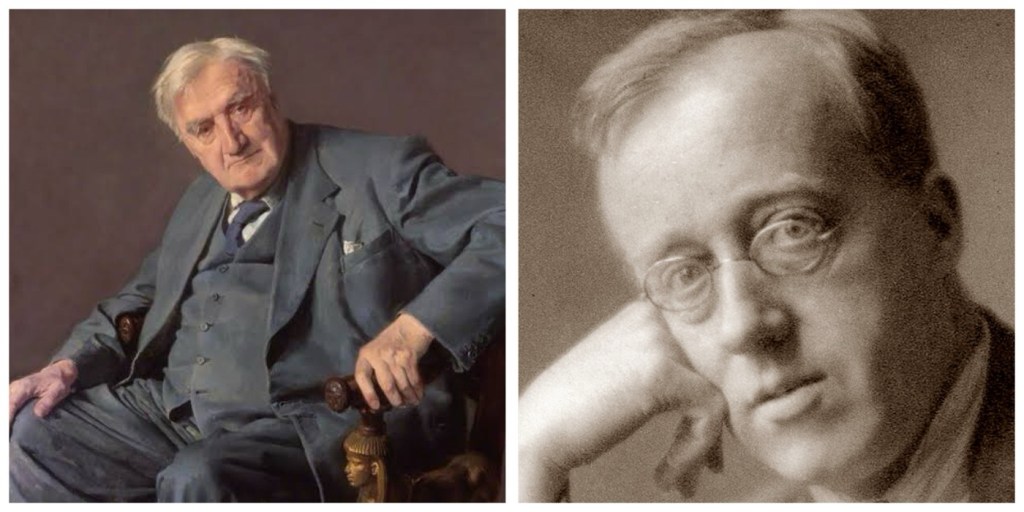
Yet, by the dawn of the twentieth century, something remarkable began to stir. A quiet revolution, fueled by a newfound sense of national pride and a desire to reclaim England’s musical voice, was underway. At the heart of this awakening was a rediscovery of England’s own past. Composers like Vaughan Williams and Holst turned to the countryside, to the ancient folk songs and dances that had been passed down through generations. Vaughan Williams, armed with a notebook and a deep love for his homeland, traveled the English countryside, collecting melodies from elderly singers in remote villages. These tunes, with their modal scales and haunting simplicity, became the foundation of a new musical language—one that was unmistakably English. Works like Fantasia on a Theme by Thomas Tallis and The Lark Ascending didn’t just evoke the English landscape; they were the landscape, translated into sound. This movement was not merely about nostalgia; it was a deliberate reconstruction of a musical identity, a response to the cultural nationalism spurred by the Great Wars and a reaction against the dominance of Germanic styles.
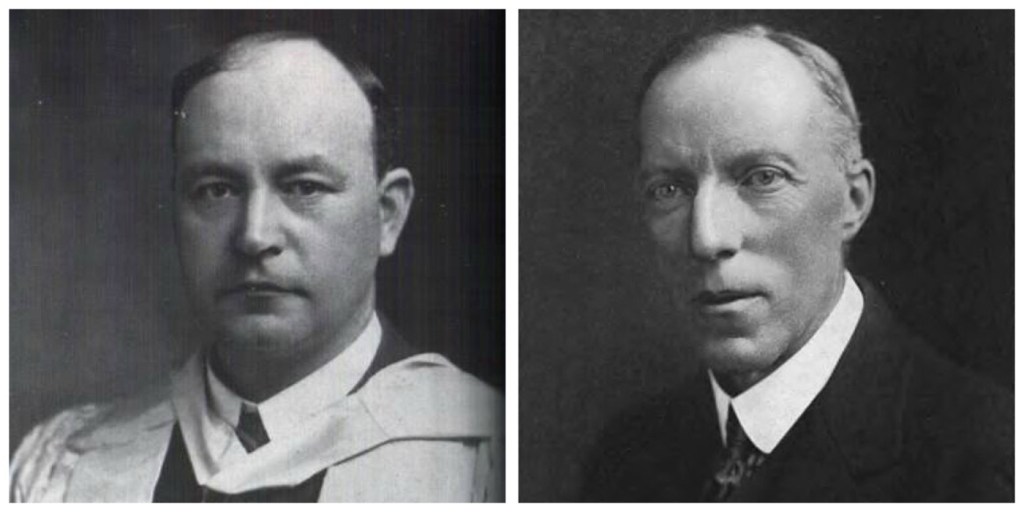
The Great Wars cast a long shadow over the English Musical Renaissance, shaping its themes, urgency, and even its sound. As Meirion Hughes and Robert Stradling note in The English Musical Renaissance, 1840–1940, the conflicts spurred a profound sense of nationalism across Europe, compelling composers to forge musical identities rooted in their homelands. In England, this manifested in two key ways: the revival of Tudor polyphony, championed by figures like Sir Richard Runciman Terry at Westminster Cathedral, and the revitalization of folk song by Cecil Sharp provided a rich soil from which a new musical language could grow.
The wars also amplified the emotional weight of the music. Works like Vaughan Williams’ A Pastoral Symphony (1922), with its elegy for the fallen, or Michael Tippett’s A Child of Our Time (1939–41), which grappled with the horrors of persecution and war, reflected a generation’s trauma and resilience. As Diana McVeagh observes in Gerald Finzi: His Life and Music, the interwar period saw composers like Finzi and Tippett using music as a form of moral and spiritual reckoning, blending pastoral lyricism with a search for meaning in a fractured world. Even Walton’s Belshazzar’s Feast, with its apocalyptic choruses, can be read as a work whose tone later resonated deeply with the era’s existential anxieties. The wars didn’t just influence the music’s content; they shaped its reception, too. The founding of the BBC Symphony Orchestra in 1930, for instance, was partly a response to the need for national unity and cultural revival in the aftermath of conflict, providing a platform for these composers to reach a broader public.
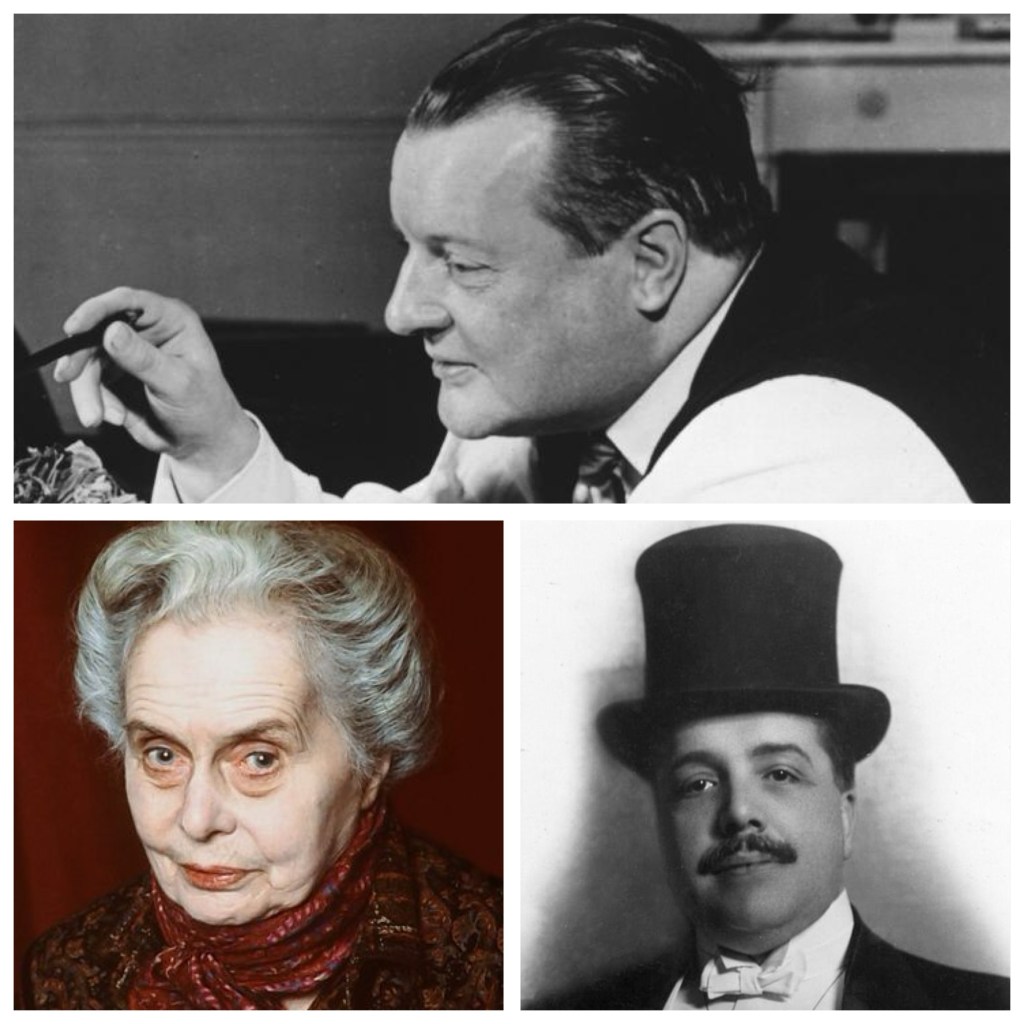
If Vaughan Williams and Holst laid the groundwork for this renaissance, it was the next generation—Constant Lambert, Alan Bush, Gerald Finzi, Michael Tippett, and William Walton—who built upon it, each adding their own unique voice to the chorus. Vaughan Williams and Walton, for instance, inherited the same national project but approached it in almost opposite ways. Vaughan Williams sought an inward, spiritual continuity with the English countryside and its folk traditions, often stripping his textures bare to reveal a modal purity. Walton, by contrast, turned outward, embracing the orchestra as a theatre of spectacle and satire, drawing on jazz, cinema, and continental modernism to create a brasher, more cosmopolitan sound. Yet both, in their own way, helped define what English music could be in the twentieth century.
Constant Lambert was the cosmopolitan, the man who saw no contradiction in loving both Stravinsky and jazz. As a conductor, he introduced English audiences to the avant‑garde, but as a composer, he created something entirely his own. The Rio Grande, composed in 1927 and premiered in 1929, was a revelation—a work that fused the energy of jazz with the sophistication of classical forms. Lambert’s music was witty, urbane, and unapologetically modern. He proved that English music didn’t have to be pastoral or nostalgic; it could be as vibrant and eclectic as the world itself.
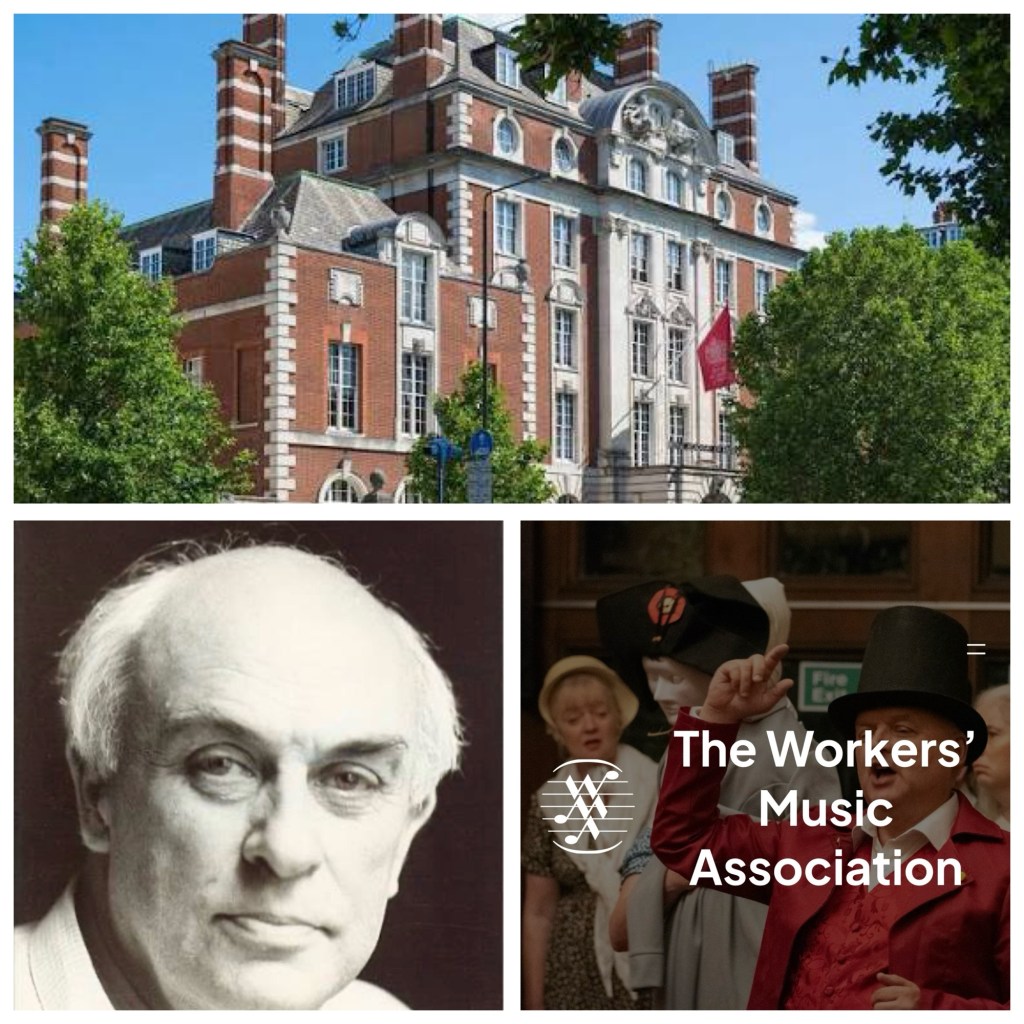
If Lambert was the cosmopolitan, Alan Bush was the firebrand. A committed socialist, Bush believed that music should not just be beautiful but meaningful—a tool for social change. His opera Wat Tyler, completed in the 1940s but not staged until 1956 due to its radical themes, told stories of class struggle and revolution, blending modernist techniques with accessible melodic lines. Bush’s work was a reminder that art could be political, that composers had a role to play in shaping the world around them.
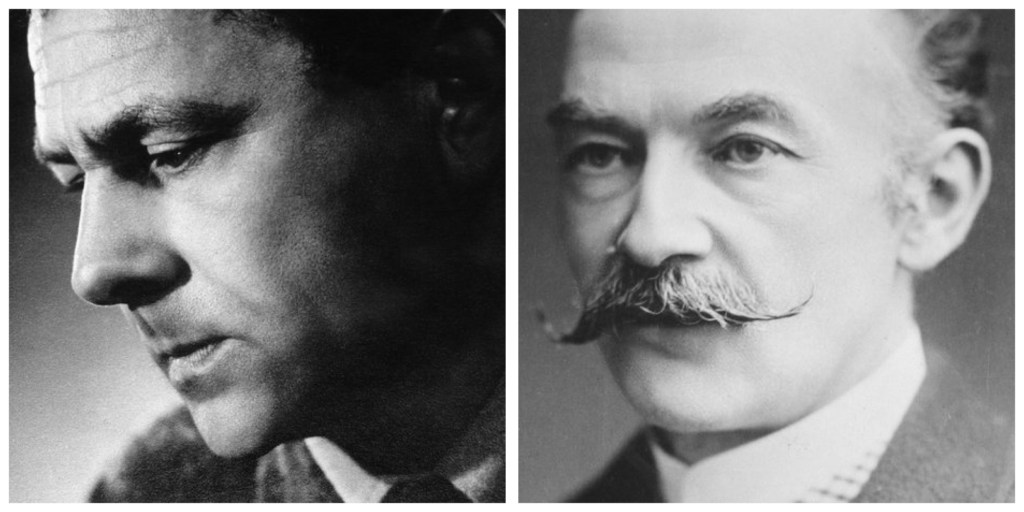
Gerald Finzi, by contrast, was the quiet poet of the group. His music was introspective, lyrical, and deeply rooted in the English literary tradition. Finzi’s songs, particularly his settings of Thomas Hardy’s poetry, are masterclasses in melancholy and beauty. Works like Earth and Air and Rain and the Grande Fantasia & Toccata are suffused with a sense of longing, as if each note is a whisper from a vanished past. Finzi’s music didn’t shout; it lingered, like the memory of a summer afternoon or the echo of a half‑remembered tune.

Then there was Michael Tippett, the philosopher. Tippett’s music was cerebral, often grappling with big ideas—war, peace, the human psyche. A Child of Our Time, his oratorio about the persecution of Jews in Nazi Germany, was a profound statement of humanism and hope. Tippett replaced the traditional chorales of Bach’s Passions with African‑American spirituals, a bold choice that underscored the universal struggle for freedom and dignity. His operas, like The Midsummer Marriage, blended myth, ritual, and modernist techniques, creating a sound world that was both ancient and entirely new.

And finally, William Walton—the master craftsman. Walton’s music was marked by its rhythmic drive, its orchestral brilliance, and its sheer exuberance. Belshazzar’s Feast, a choral tour de force, combined the grandeur of Baroque oratorio with the energy of modernism, while Scapino, a comedy overture, sparkled with wit and invention. Walton’s ability to write for both the concert hall and the silver screen (his scores for Laurence Olivier’s Henry V and Hamlet are legendary) made him one of England’s most versatile and beloved composers.
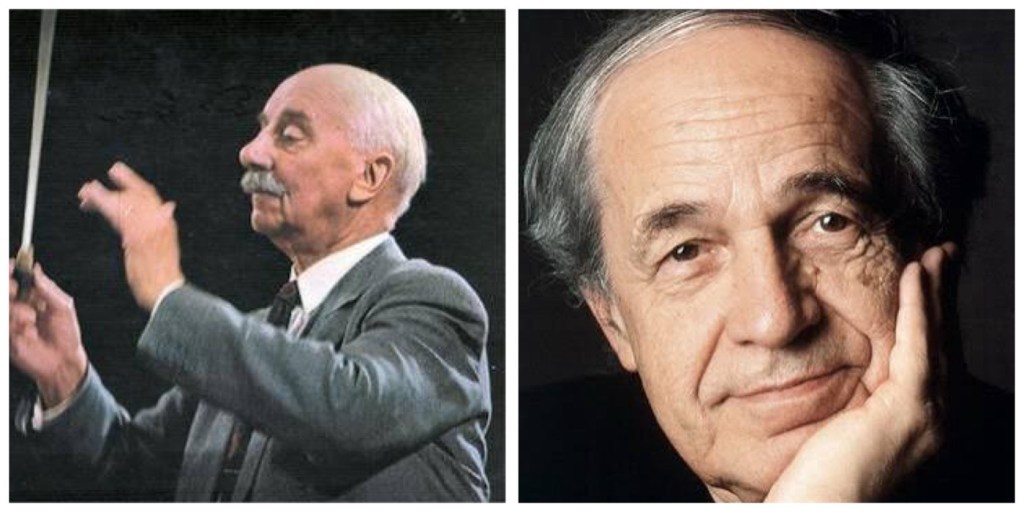
The founding of the BBC Symphony Orchestra in 1930 was a watershed moment for the renaissance. Under the leadership of figures like Adrian Boult and, much later, Pierre Boulez, the BBC SO Sir Richard Runciman Terry at Westminster Cathedral a champion of new music, premiering works by Walton, Tippett, and others. The orchestra’s commitment to British repertoire—through broadcasts, commissions, and performances—helped transform a loose collection of individual careers into a cohesive national movement. By the mid‑twentieth century, English composers were no longer dismissed as provincial; they were celebrated on the global stage, their works performed in concert halls from New York to Tokyo.
The English Musical Renaissance was, in the end, a story of transformation. It was not a move from total silence to sudden brilliance but the sharpening of a sound that had existed in echoes and fragments for centuries. It was the story of composers who dared to be different—who looked to the countryside and the city, to tradition and innovation, to create something entirely their own. And it was the story of music that, once faint and scattered, now sang with a confidence and beauty that the world could no longer ignore.
Bibliography
Books
- Hughes, Meirion, and Robert Stradling. The English Musical Renaissance, 1840–1940: Constructing a National Music. Manchester: Manchester University Press, 2001.
- McVeagh, Diana. Gerald Finzi: His Life and Music. Woodbridge: Boydell Press, 2005.
- Adams, Byron. The Music of Ralph Vaughan Williams. Oxford: Oxford University Press, 2013.
- Lloyd, Stephen. William Walton: Behind the Façade. Oxford: Oxford University Press, 2021.
Journal Articles and Academic Papers - Eatock, Colin. The English Musical Renaissance: Myth or Reality? Music & Letters 84, no. 2 (2003): 241–57.
- Ryzhinsky, A. British Choral Music in the Last Third of the 20th Century: Outcomes of the English Musical Renaissance. Russian Musicology 2 (2023): 53–67.
- Soden, Oliver. Michael Tippett: The Biography. London: Weidenfeld & Nicolson, 2019.
Online Academic Sources - Finzi Friends. Reshaping Musical History: Gerald Finzi and the English Musical Renaissance. Accessed April 29, 2026. https://finzifriends.org.uk/articles/reshaping-musical-history-gerald-finzi-and-the-english-musical-renaissance/.
- Public Domain Music. 21 Greatest British Composers Who Shaped Music History. Accessed April 29, 2026. https://www.pdmusic.org/greatest-british-composers/.
- BBC Symphony Orchestra. History and Role in Promoting British Music. Accessed April 29, 2026. https://en.wikipedia.org/wiki/BBC_Symphony_Orchestra.
- Vaughan Williams, Ralph. The Vaughan Williams Reader. Edited by Ursula Vaughan Williams. London: Oxford University Press, 1963.
Notes on Usage
- Primary Academic Sources: Hughes & Stradling (2001), McVeagh (2005), and Eatock (2003) are the core peer-reviewed/academic references for the renaissance’s historical context and debates.
- Composer-Specific Sources: Adams (2013) for Vaughan Williams, Lloyd (2021) for Walton, and Soden (2019) for Tippett provide detailed biographical and stylistic analysis.
- Online Sources: Finzi Friends and Public Domain Music offer accessible summaries of academic research, while the BBC Symphony Orchestra page was used to cross-check institutional details (e.g., founding date, role in promoting British composers).
Suggestions for Further Reading - Britten, Benjamin. On Receiving the First Aspen Award. New York: Boosey & Hawkes, 1964. (For context on the post-renaissance generation.)
- Howes, Frank Stewart. The English Musical Renaissance. London: Sampson Low, Marston & Co., 1966. (A foundational text on the movement.)
- Pirie, Peter J. The English Musical Renaissance. London: Dent, 1979. (A critical examination of the term and its implications.)


Leave a Reply