
Wales has long been celebrated as a nation of song, with its musical culture shaped by language, religion, industry, and community life. Its traditions date back centuries and are deeply rooted in Celtic heritage, where music, poetry, and storytelling have historically gone hand in hand. Early bardic culture, featuring harps, lyres, and pipes, played a vital role in preserving myths, memories, and oral history, laying the foundation for cerdd dant—singing poetry accompanied by the harp.
A radio broadcast, produced for RTHK Radio 3, is now available on SoundCloud, featuring excerpts from Karl Jenkins Requiem, Grace Williams Fantasia on Welsh Nursery Tunes, Anon. A Valley Called the Rhondda, Darrol Barry Celtic Fever and James James Land of My Fathers
Karl Jenkins (b. 1944)
Requiem (2004) II. Dies Irae
Côr Caerdydd (Cardiff Choir)
Karl Jenkins (conductor)
Grace Williams (1906-1977)
Fantasia on Welsh Nursery Tunes (1940)
Royal Ballet Sinfonia
Andrew Penny (conductor)
Anonymous
A Valley Called the Rhondda (1951)
Treorchy Male Choir
Darrol Barry (1956-2018)
Celtic Fever
Cory Band
Robert Child (conductor)
James James (1833–1902)
Land of My Fathers (1856)
Bryn Terfel (b. 1965)
Welsh National Opera Orchestra
Gareth Jones (conductor)
Christianity introduced new musical styles to Wales during the early medieval period, mainly through monasteries and cathedrals. Centres such as St Davids became important hubs of liturgical music, especially plainsong, while sacred song fostered both religious devotion and cultural continuity. The Eisteddfod also began in medieval times, and over the years, it developed into a major national celebration of poetry, music, and language, eventually becoming a key symbol of Welsh cultural life.
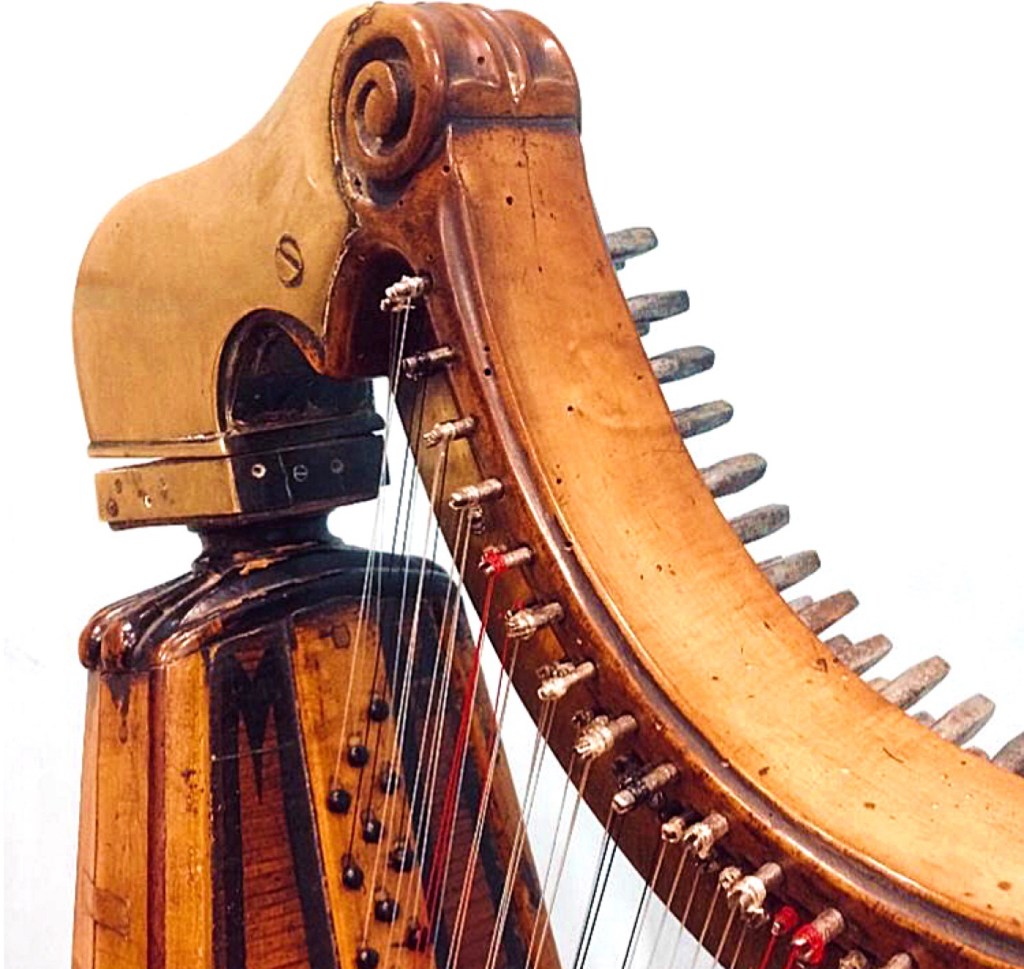
By the Renaissance and Baroque periods, the harp had become Wales’s emblematic instrument. The triple harp, with its three rows of strings, became especially associated with Welsh musical life and appeared in both elite and popular settings. Folk traditions also flourished, with ballads, dancing, and oral storytelling passing tales and songs across generations. These customs helped maintain a sense of continuity even as Welsh society evolved.
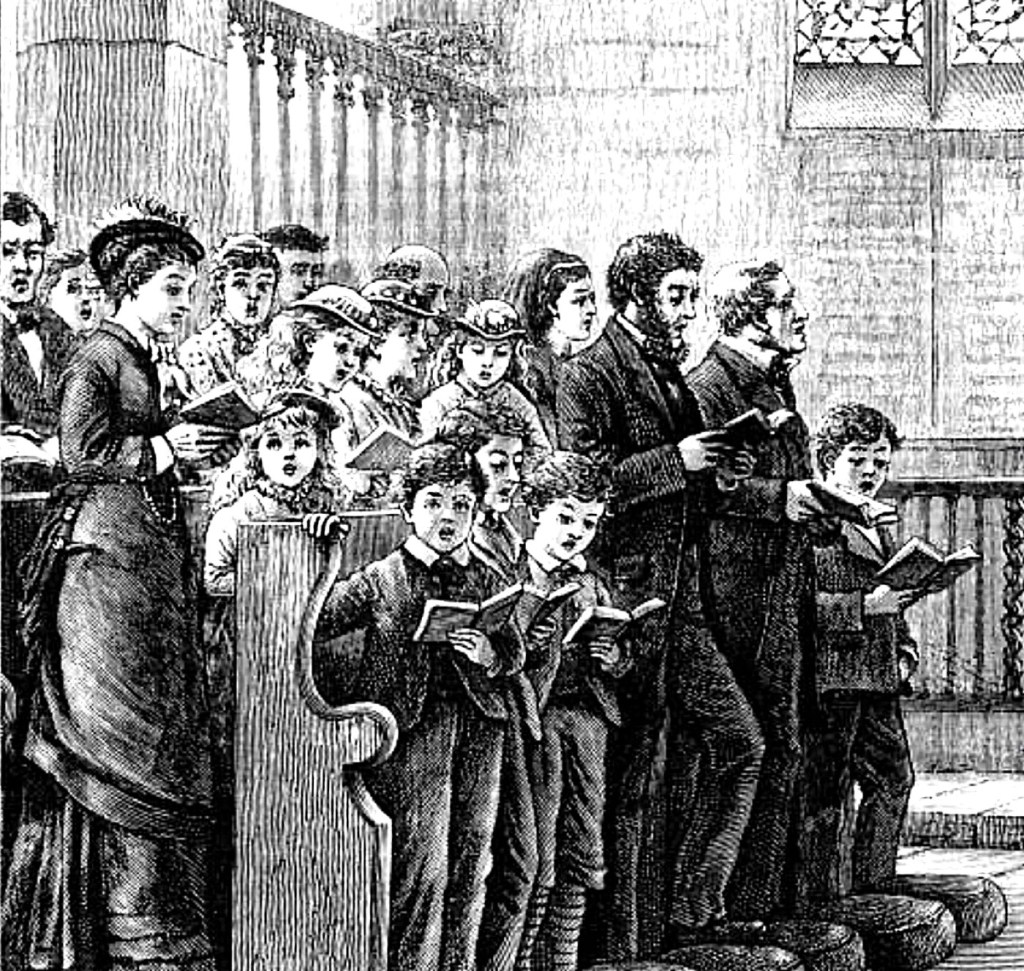
The Industrial Revolution transformed Wales into a hub of coal and steel production, but it also gave rise to powerful new musical styles. Brass bands became prominent in mining communities, and the Cory Band—founded in 1884 as the Ton Temperance Band—became one of the most renowned. Male-voice choirs also served as symbols of unity, discipline, and resilience. Meanwhile, chapel culture, linked to Methodist and Baptist revivals, encouraged congregational singing in four-part harmony, producing hymns still deeply rooted in Welsh life—among them Calon Lân, Cwm Rhondda, and Hen Wlad Fy Nhadau, the unofficial national anthem.
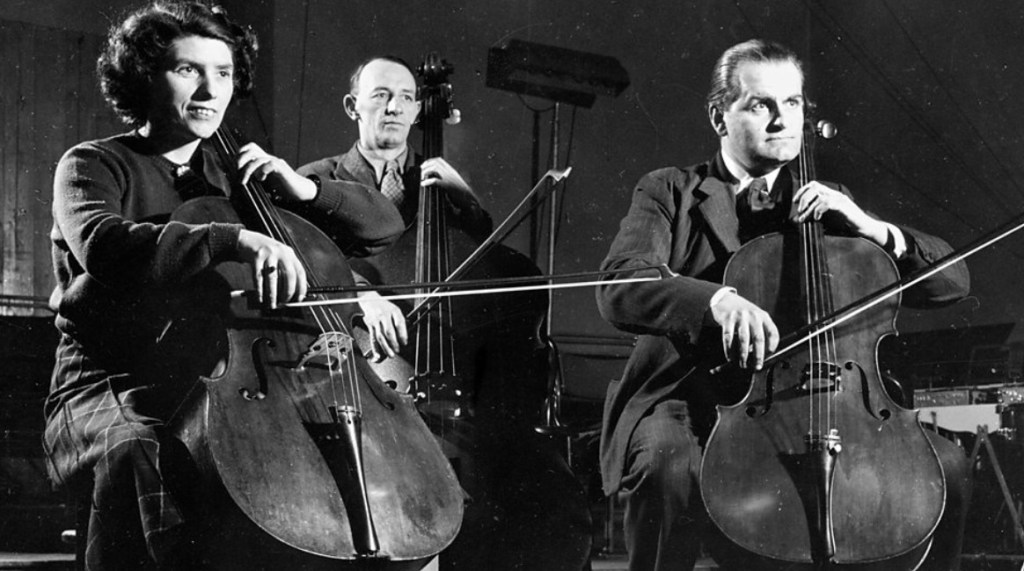
The 20th century experienced both innovation and revival. Composers such as Alun Hoddinott and William Mathias drew inspiration from Welsh landscapes, sacred traditions, and national themes, working within modern classical styles. The BBC National Orchestra of Wales, founded in 1928 as the Welsh Orchestra, became a cornerstone of Welsh musical life. Folk revivalists like Dafydd Iwan and Ar Log rekindled interest in traditional song, while the Llangollen International Eisteddfod, established in 1947, brought Welsh music to the international stage. Popular artists such as Tom Jones, Shirley Bassey, and Bonnie Tyler further expanded Welsh music’s global influence.

Karl Jenkins: Cultural Ambassador
Karl Jenkins is one of the most internationally renowned Welsh composers of the modern era. Born in Penclawdd in 1944, he was brought up in a musical environment rooted in hymn singing, choral traditions, and folk music. After studying at Cardiff University and the Royal Academy of Music, he developed a style that blends classical, jazz, and world music influences. Despite the global nature of his work, Jenkins frequently draws on Welsh identity and musical heritage, making Wales a central element of his artistic identity. His compositions have established Jenkins, not only as a successful composer but also as a cultural ambassador, helping to bring Welsh music to a global stage.
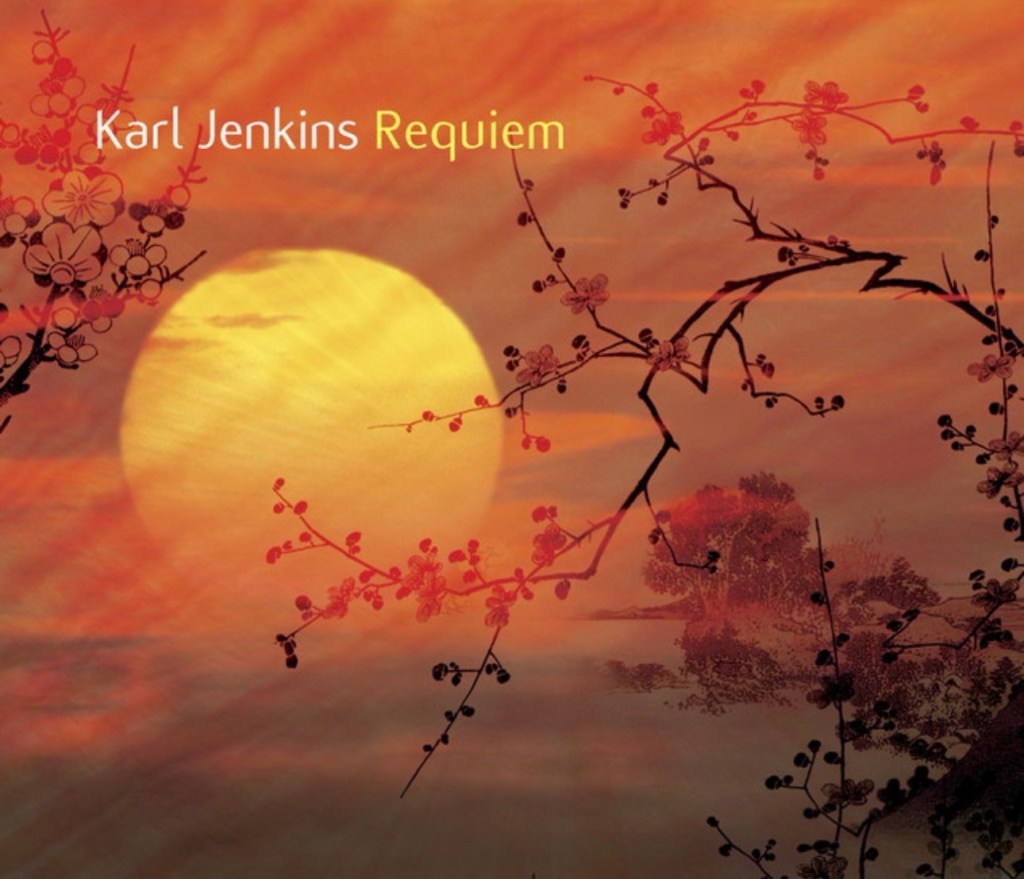
Requiem (2004)
Jenkins’ Requiem, composed in 2004, is a thirteen-movement work that combines Latin texts from the Requiem Mass with Japanese death poems in haiku form. In the Dies Irae, Jenkins presents the Day of Wrath and Judgment in a contemporary style, using powerful percussion and a ritualistic sense of movement. The orchestration includes instruments and sounds associated with Japanese and other non-Western traditions, enhancing the piece’s global appeal. The result is accessible music that is richly textured, reflecting Jenkins’ skill in blending sacred tradition with today’s multicultural expressions.
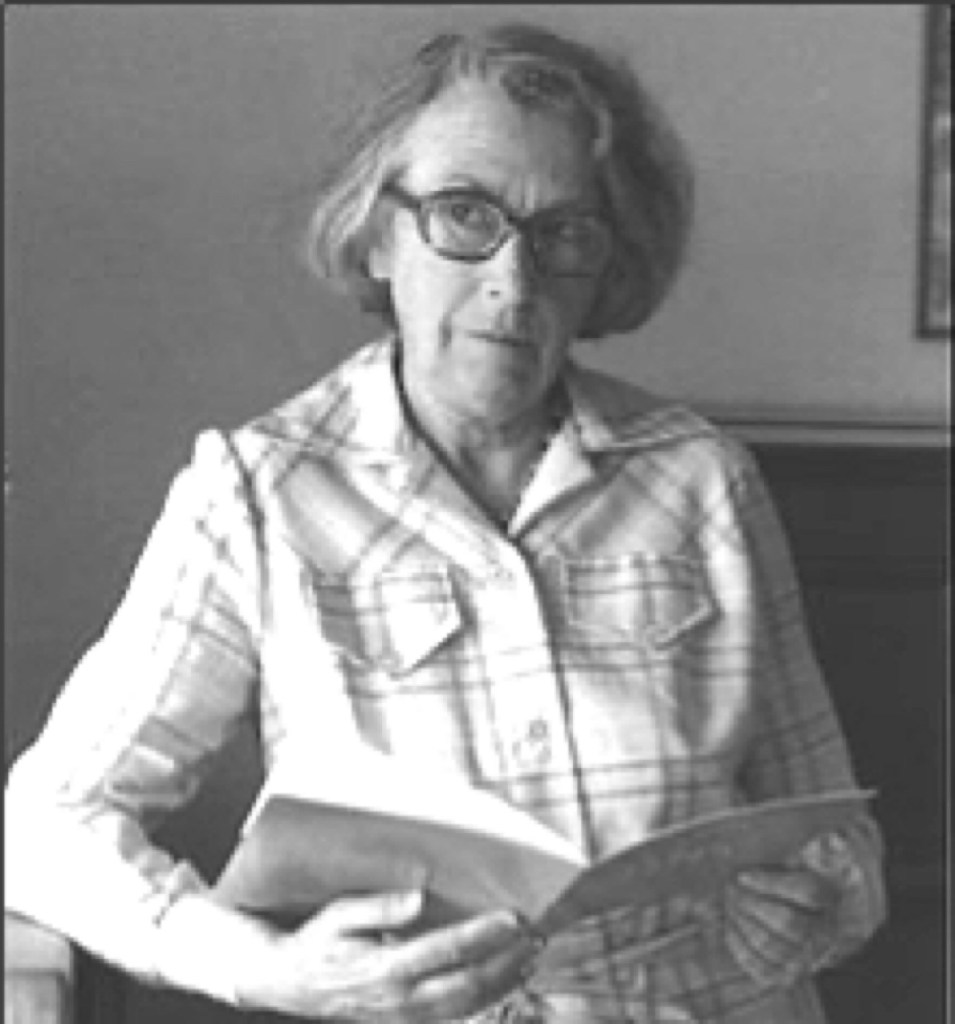
Grace Williams: A Pioneer in Welsh Composition
Born in Barry in 1906, Grace Williamd studied at University College, Cardiff, and later at the Royal College of Music, where she refined her skills in composition and orchestration. She was among the first Welsh women to achieve significant recognition as a composer during a period when women faced substantial barriers in the field. Her work is distinguished by originality, lyrical beauty, and meticulous craftsmanship. Williams’ compositions often reflect Welsh cultural influences while remaining rooted in the concert tradition. Her major works include Symphony No. 1, Symphony No. 2, and Fantasia on Welsh Nursery Tunes. She also explored film music, with notable scores like Blue Scar—one of the earliest feature films scored by a British woman. Williams’ legacy lies not only in the quality of her music but also in her role in shaping a model of Welsh composition that was both nationally grounded and artistically independent.
Fantasia on Welsh Nursery Tunes (1940)
One of Grace Williams’ most renowned orchestral pieces is Fantasia on Welsh Nursery Tunes. Premiered in 1941 with the BBC Northern Orchestra conducted by Eric Fogg, it weaves several Welsh nursery melodies into a refined single-movement fantasy. Rather than simply arranging familiar tunes, Williams develops them through variations and inventive orchestration—elegantly bringing folk material into the concert hall. The Fantasia demonstrates how Williams combined accessibility with technical mastery, making it a prime example of Welsh musical heritage reimagined through art music.
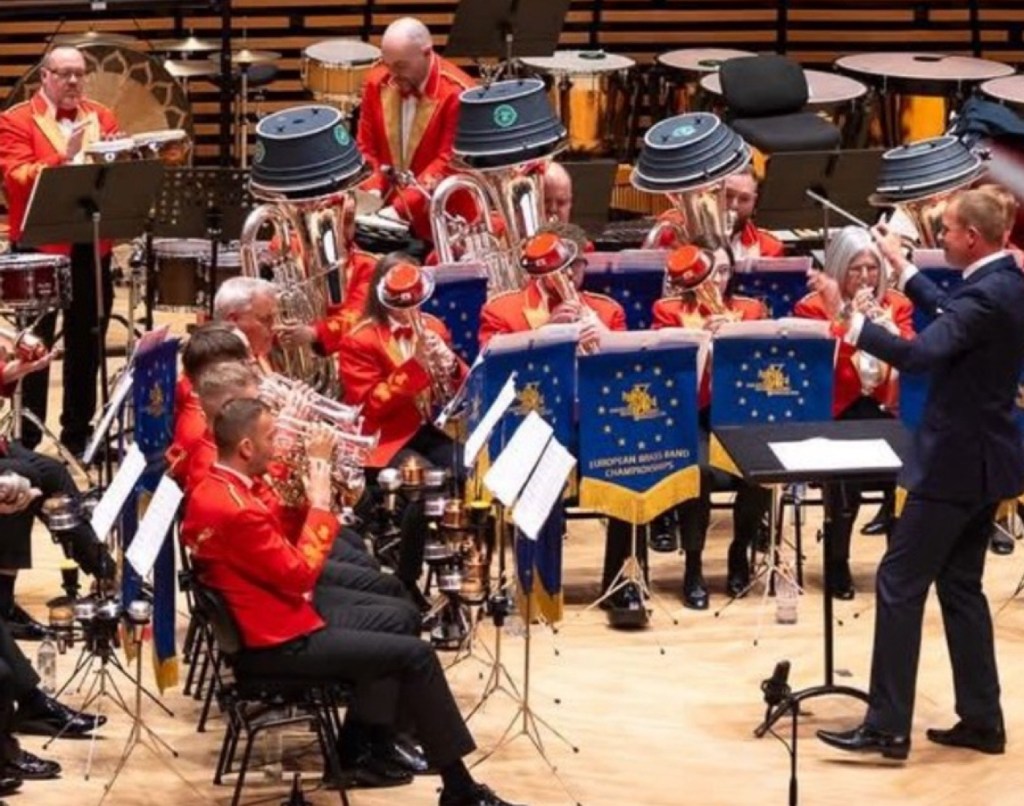
The Cory Band
Founded in 1884 as the Ton Temperance Band in the Rhondda, the Cory Band is among the world’s leading brass bands. Its rich history highlights the vital role of brass banding in Welsh mining communities, where music served as both entertainment and a symbol of collective pride. Over the years, the band has gained significant success on national and international stages, including winning major competitions in Britain and Europe. Darrol Barry’s Celtic Fever is an energetic brass band piece that highlights the skill and dexterity of the Cory Band. Its lively rhythms, spirited melodies, and bright harmonic language make it especially captivating when performed. Celtic Fever can be seen as part of the ongoing repertoire that sustains brass-band culture in Wales and beyond. Its charm lies in its energy, clarity, and accessible style, all of which reflect the vibrancy of modern brass-band music.
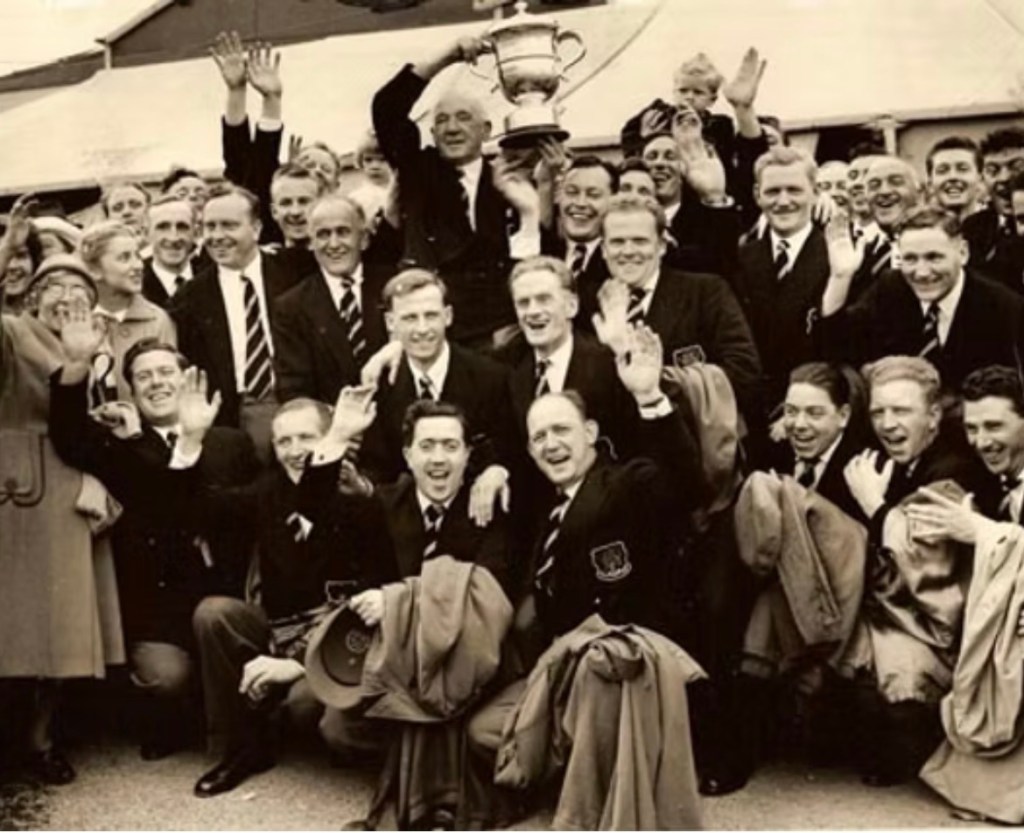
The Treorchy Male Choir is one of Wales’s most renowned choral groups. Established in 1883 and revitalised in 1946, it highlights the important role of male voice choirs in Welsh industrial communities. Like many similar choirs, it grew from a culture based on chapel singing, communal discipline, and social life in the Rhondda Valley. The choir has toured internationally and recorded widely, helping to promote Welsh choral music to audiences beyond Wales. Its repertoire includes Welsh hymns, folk songs, classical works, and popular arrangements, such as Cwm Rhondda and Myfanwy.

Bryn Terfel
Bryn Terfel is one of the most admired bass-baritones today. Born in 1965 in Pant Glas, near Caernarfon, he grew up in a Welsh-speaking farming household, immersed in the language, hymns, and musical traditions of North Wales. These influences shaped both his artistic outlook and his commitment to Welsh culture. Terfel has performed extensively on the opera stage worldwide, while maintaining strong ties to Wales through concerts, recordings, and cultural advocacy. He is particularly recognised for his heartfelt renditions of Welsh songs and his role in promoting Welsh musical traditions internationally. His career exemplifies how staying true to local roots can lead to artistic success on the world stage.
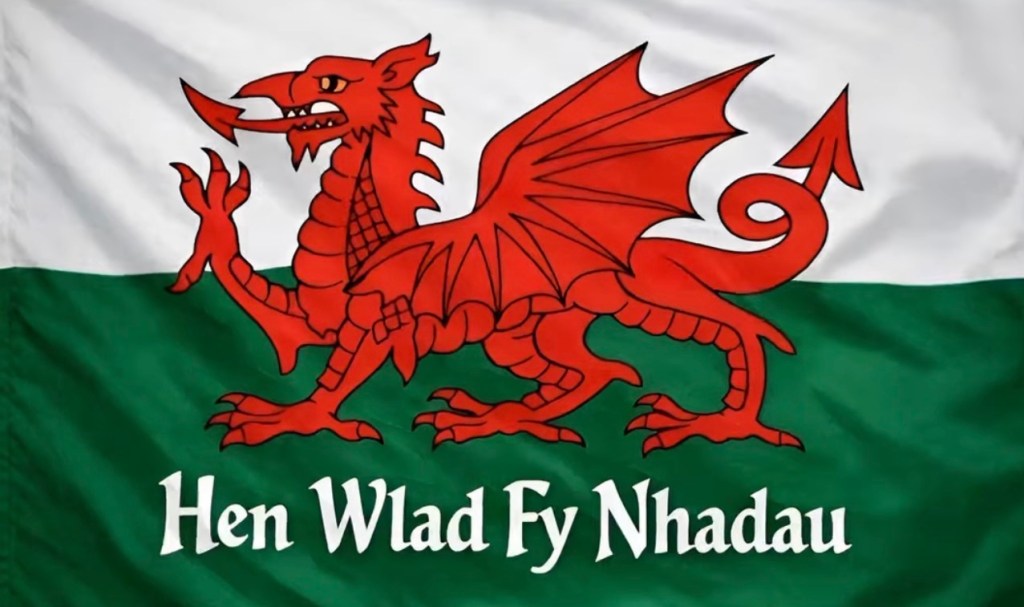
James James, born in Pontypridd in 1833, was a harpist and songwriter best known for Hen Wlad Fy Nhadau, (Land of My Fathers), which he co-wrote with his father, Evan James, who wrote the lyrics. Composed in 1856 and originally titled Glan Rhondda, the song quickly became a key symbol of Welsh national identity. It was first performed publicly in 1856 by a young singer called Elizabeth John, and over time, it gained prominence at eisteddfodau and public gatherings. By the late 1800s, it was widely recognised as Wales’s national anthem. Its first major sporting appearance was in 1905, when it was sung before the Wales rugby match against New Zealand, helping to cement its ties to national pride. Today, Land of My Fathers remains one of the strongest expressions of Welsh identity and cultural continuity.

In conclusion, Welsh music is a vibrant tradition shaped by ancient bardic culture, Christian worship, industrial life, and modern artistic innovation. From the harp and eisteddfod to brass bands, male voice choirs, and internationally renowned composers and performers, it reflects the rich and diverse history of the Welsh people. Figures like Grace Williams, Karl Jenkins, Bryn Terfel, alongside groups such as the Cory Band and Treorchy Male Choir, demonstrate that Welsh music is both deeply rooted and constantly evolving. In Wales, song isn’t just entertainment; it’s an essential way of expressing language, memory, and national pride.
This article was researched using primary and secondary sources with the assistance of Le Chat Pro. The research was cross-checked for accuracy.





Leave a comment