Havergal Brian was born on 29 January 1876 in Dresden, Staffordshire, a working-class area in England known for pottery manufacturing. Born William Brian, he later adopted the name “Havergal” around 1907, inspired by the hymn-writing Havergal family whose legacy resonated with him. From a young age, Brian was fascinated by music. As a choirboy at St James’ Church, Longton, he developed an interest in choral music and in 1887, he performed at Lichfield Cathedral for Queen Victoria’s Jubilee, igniting his passion for large-scale musical works.
A radio broadcast, produced for RTHK Radio 3, is now available on SoundCloud
Havergal Brian (1876-1972)
Comedy Overture: The Tinker’s Wedding (1948)
BBC Philharmonic Orchestra
Rumon Gamba (conductor)
Havergal Brian (1876-1972)
Symphony No 7 IV in C IV Epilogue ‘Once Upon A Time’ (1948)
Royal Liverpool Philharmonic Orchestra
Sir Charles Mackeras (conductor)
Havergal Brian (1876-1972)
Tell Me, Thou Soul of Her Love (1906)
Joyful Company of Singers
Peter Broadbent (conductor)
Havergal Brian (1876-1972)
Symphony No 12 IV. Allegro vivo
English National Opera Orchestra
Martyn Babbins (conductor)
Havergal Brian (1876-1972)
Symphony No 1 ‘Gothic’ V. Judex crederis esse venturus. Adagio solenne e religioso
BBC National Orchestra of Wales
BBC Concert Orchestra
Bach Choir
Cardiff Choir
London Symphony Chorus
Brighton Festival chorus
Huddersfield Choral Society
Martyn Brabbins (conductor)
Due to his working-class background, Brian was mostly self-taught as a composer. He studied the organ and music theory on his own while working various jobs, including clerical work and journalism, to support himself. By 1896, he had become the organist at All Saints’ Church in Odd Rode, Cheshire, a Gothic Revival church whose architecture may have influenced his sense of musical structure and grandeur.
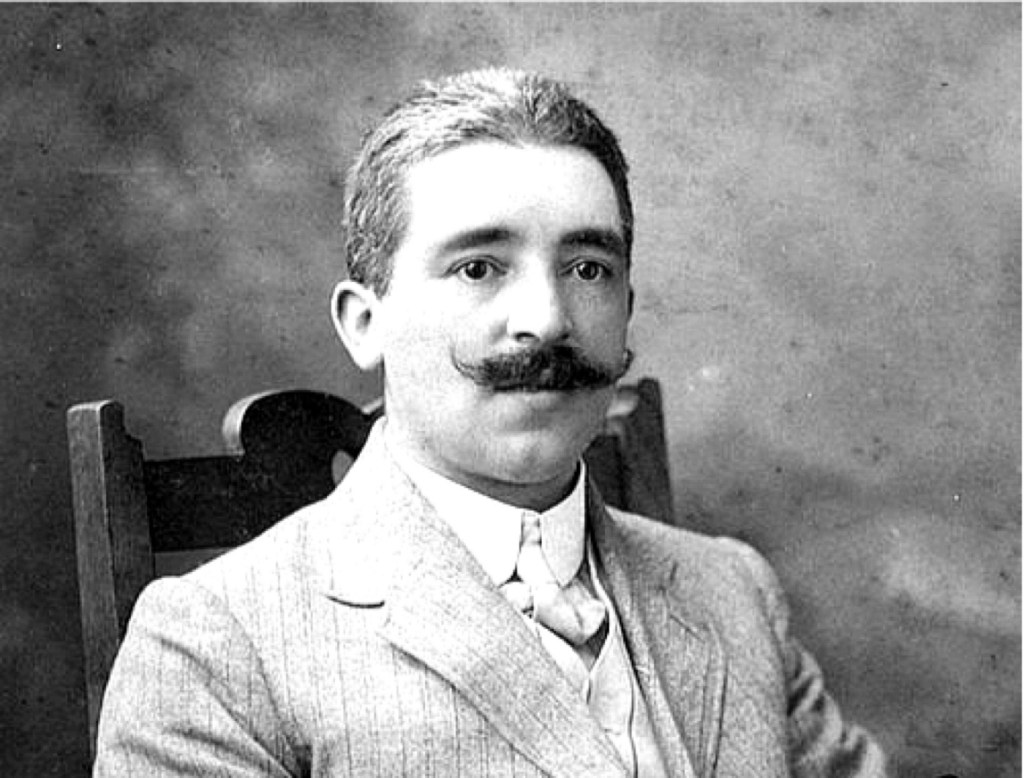
Brian’s musical development was influenced by Edward Elgar, whose music played a significant role in his artistic development. Brian admired Elgar’s large-scale choral works, such as King Olaf (1896), and Elgar encouraged him after hearing his compositions, which must have been a motivating factor for the young composer. Richard Strauss also influenced Brian through his symphonic poems and operatic works, shaping Brian’s harmonic language and orchestration. Granville Bantock, a contemporary and close friend, provided personal support and artistic friendship, encouraging Brian’s early work and forming a lifelong bond.
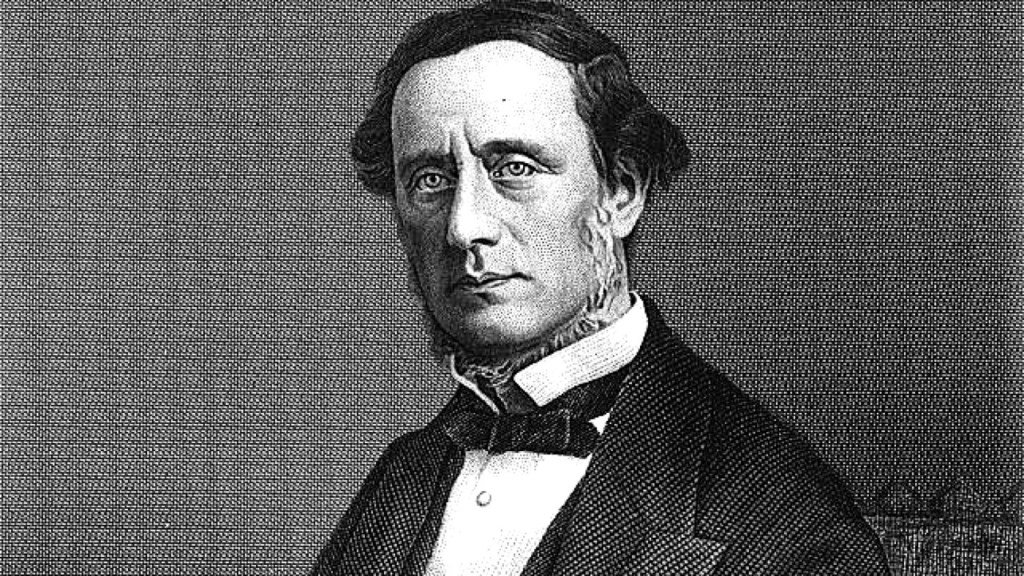
Brian faced family and financial struggles. In 1898, he married Isabel Priestley, and they had five children. Their son, Sterndale, was named after composer Sir William Sterndale Bennett, a sign of Brian’s admiration. Supporting a large family with an irregular income was tough; he often relied on journalism, copywriting, and clerical work. Though emotionally deep and carefully crafted, his music was rarely performed in his lifetime, forcing him to prioritise survival over art. Despite hardships, Brian lived to 96, staying active into old age. Notably, 25 of his 32 symphonies were composed after the age of 70, highlighting his dedication and resilience.
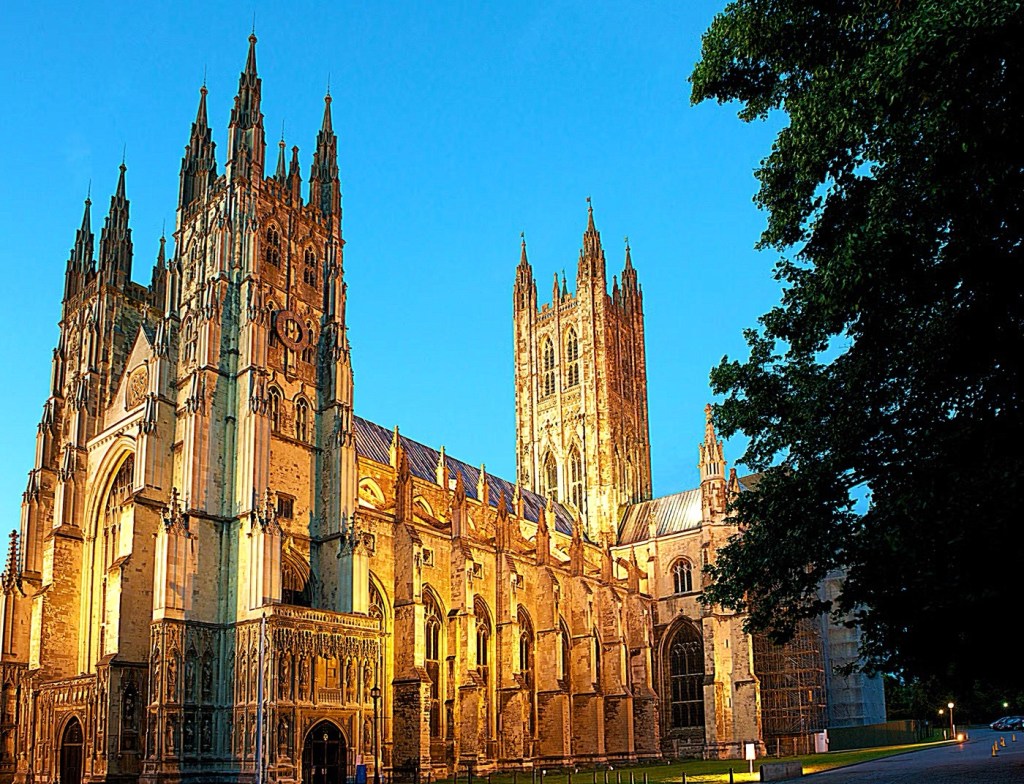
Brian’s music is often described in architectural terms, especially in works like The Gothic Symphony, where he constructs large-scale musical forms with a sense of vast space and structural ambition. His compositions frequently draw on literary and philosophical influences, engaging with themes of heroism, tragedy, existential struggle, and cosmic loneliness. This literary depth sets his work apart from many of his contemporaries, giving it a unique emotional and intellectual resonance. One of the most remarkable aspects of Brian’s career is his late-life creativity. At an age when many composers might have retired or reduced their output, Brian remained prolific, challenging traditional ideas about artistic decline in old age. His later works, though often more concise, still retain the depth, ambition, and originality that characterise his earlier compositions.
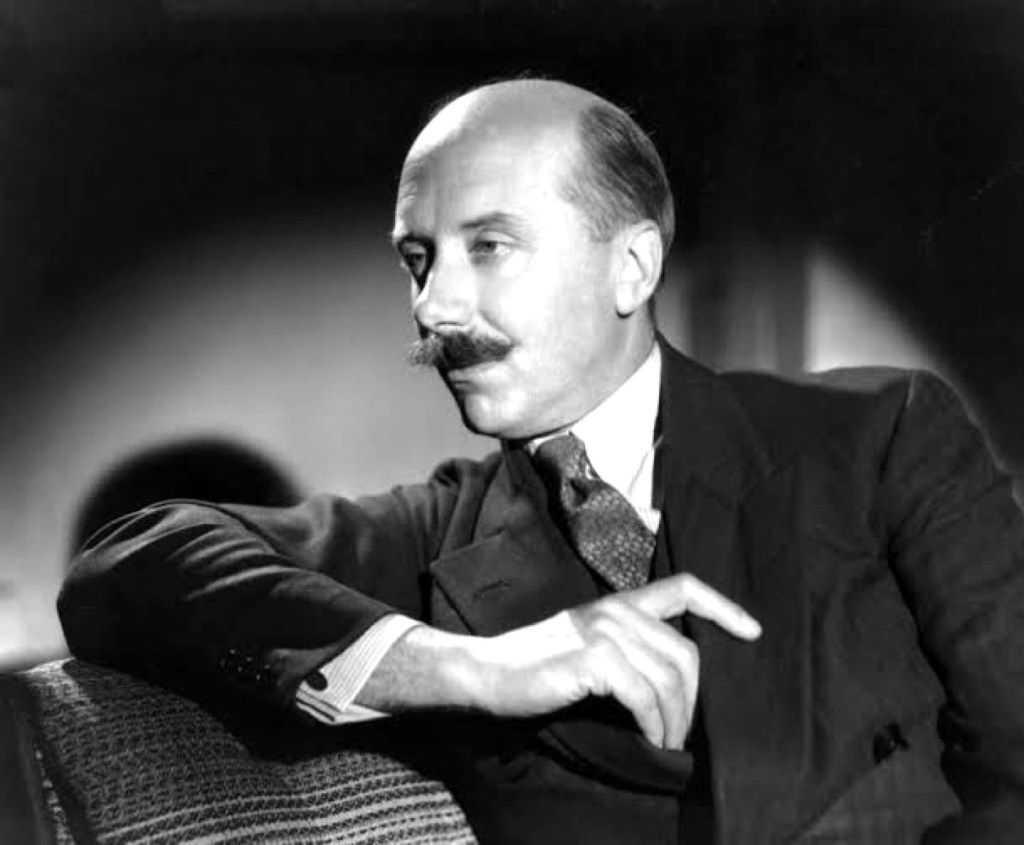
As one of the few British working-class composers, Brian faced disadvantages within a privileged, patronage-driven musical establishment. His lack of formal education caused critics and performers to dismiss his works as amateurish. Living outside London limited his access to influential networks for performances, commissions, or advocacy. His ambitions also worked against him. Works like The Gothic Symphony were monumental, requiring vast forces that many institutions found logistically and financially daunting. Adrian Boult rejected Symphony No. 2 in E minor after a 1931 rehearsal, shelving it until 1973—six months after Brian’s death. His works often failed to resonate with critics and audiences, who struggled to classify music that blended Romantic grandeur with modernist complexity.
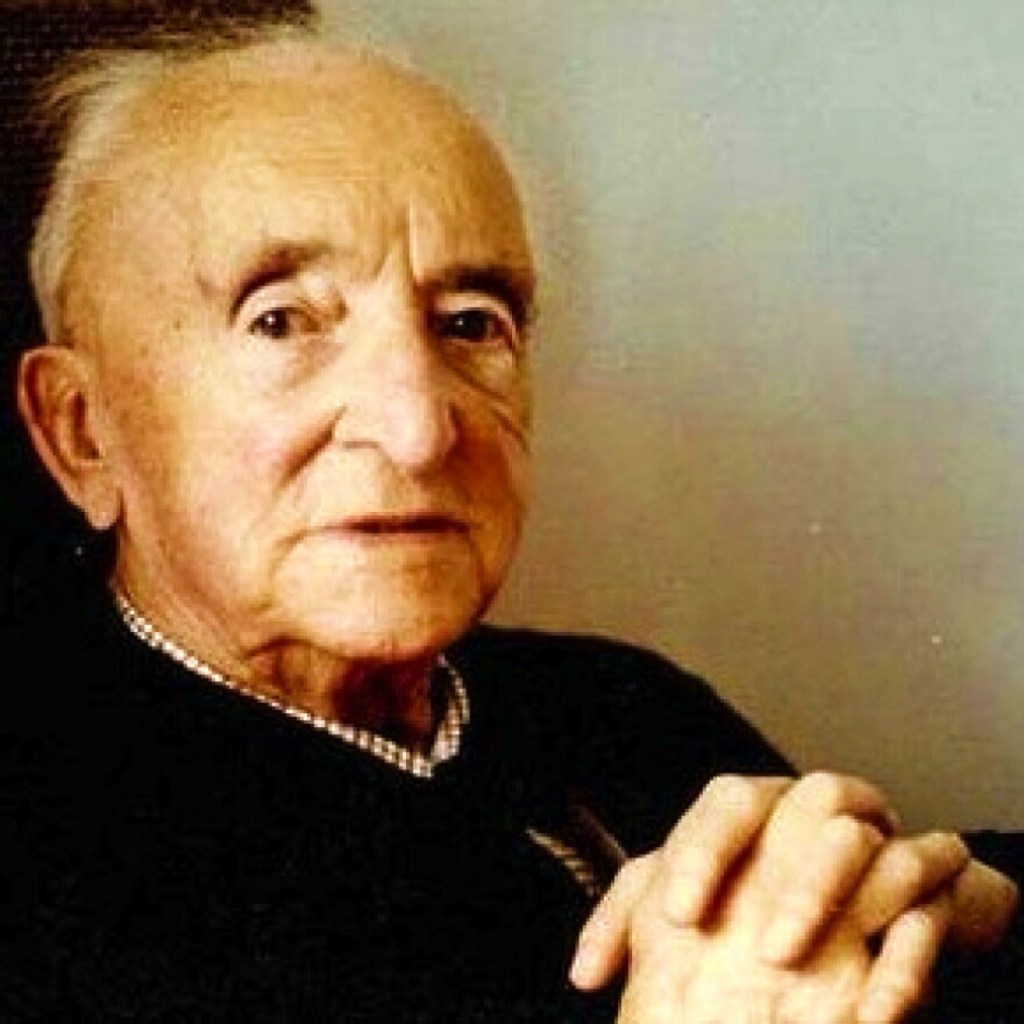
Institutional apathy worsened his struggles. The BBC rarely programmed his works, and publishers hesitated to accept his complex scores. By his death in November 1972, Brian was mostly unknown to the public, though he had a small, dedicated following. The personal toll of neglect was significant. Brian’s lack of recognition caused loneliness and obscurity, but also fueled his late-life productivity. His refusal to stop composing, despite unperformed and unheard works, gave his career a heroic quality. His faith in posterity kept him going, and his prolific output in old age shows a transcendent belief in his work’s value.
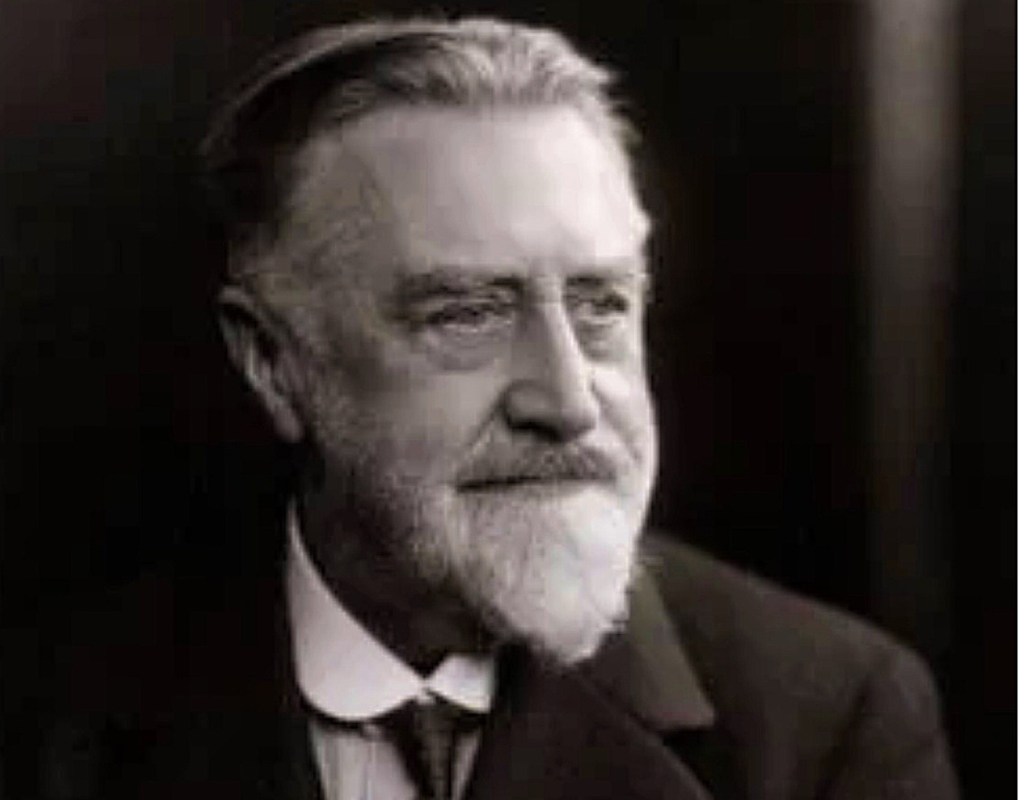
Moments of recognition sustained him: early encouragement from Elgar, support from Bantock, a 1950s revival led by Simpson, and BBC broadcasts in the 1970s helped preserve his legacy. One poignant anecdote from Brian’s life is his remark: “I have spent my life writing music that no one wants to hear.” His persistence is symbolised by pasting blank score pages to create 54-stave sheets for The Gothic Symphony, a work that challenged his era’s conventions.
Music Featured in the Podcast
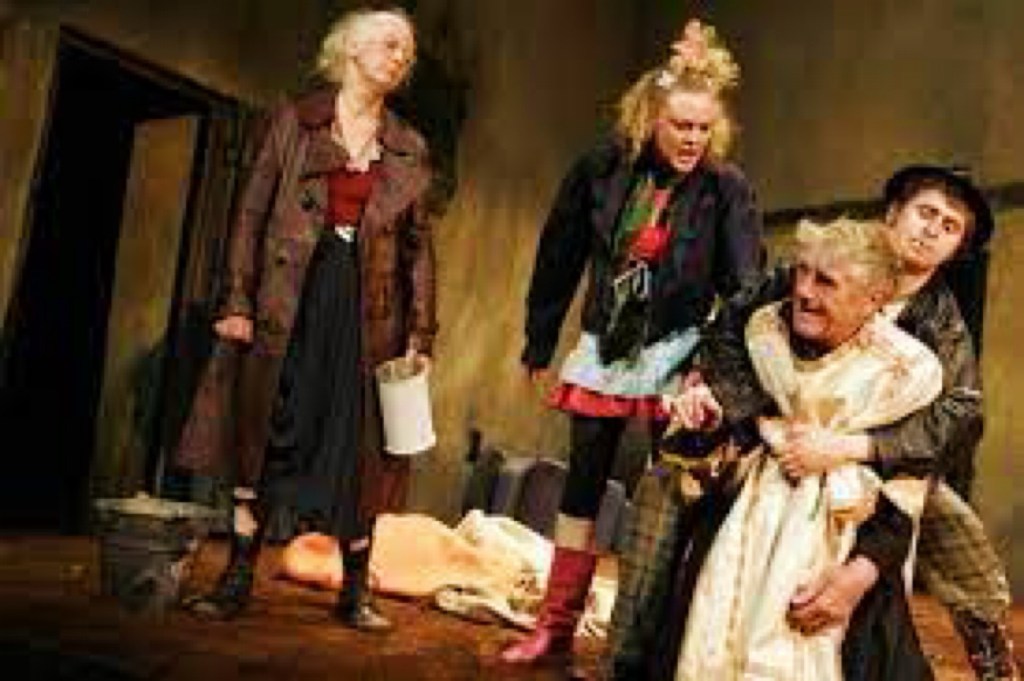
Brian’s works have been increasingly recorded and performed in recent decades, ensuring his legacy endures. Among his lighter works, The Tinker’s Wedding (1948) stands out as a comic overture inspired by J.M. Synge’s play of the same name. Composed when Brian was 72, it captures the lively, humorous spirit of the play, with energetic tempo changes and a bustling character. Performed by the BBC Philharmonic Orchestra under Rumin Gamba, it remains a delightful example of his lighter, more accessible compositions.
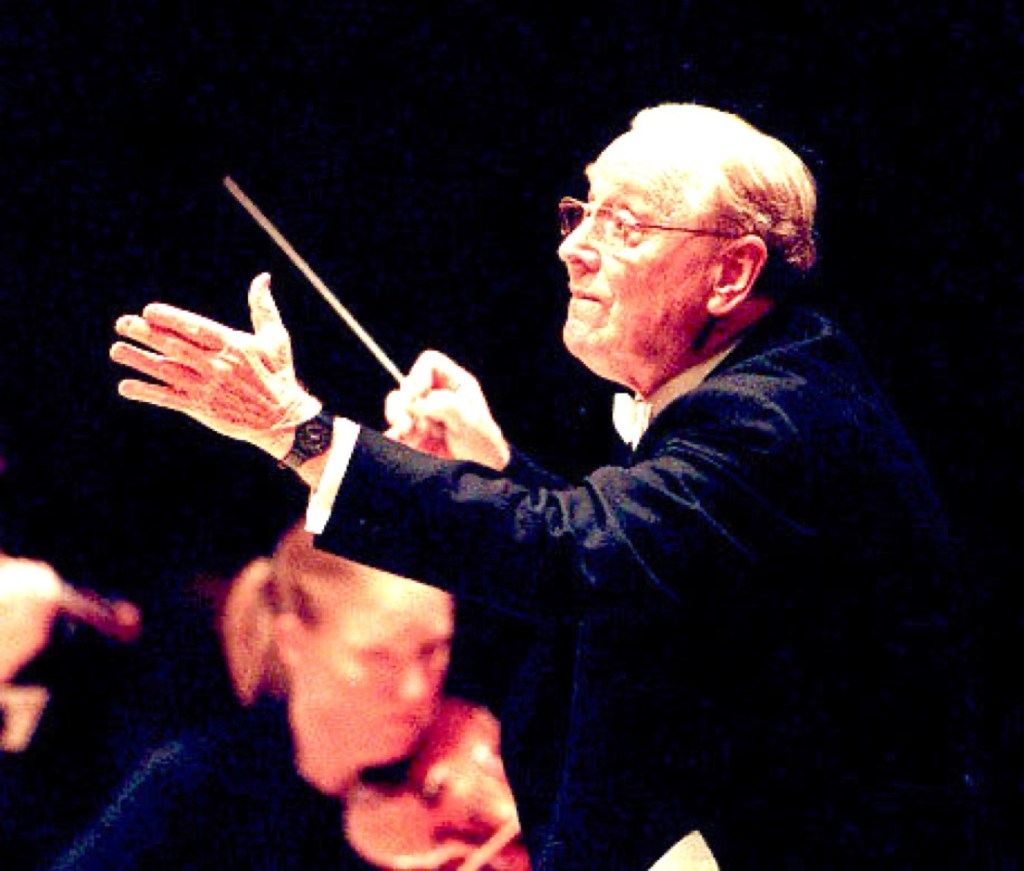
His Symphony No. 7 in C major (1948) exemplifies his late-life maturity. The final movement, Epilogue: Once Upon a Time, offers a poetic, reflective conclusion that evokes nostalgia and the spirit of storytelling. Like many of his late works, this symphony demonstrates his ability to condense ideas into their most essential and direct forms, while maintaining emotional depth and structural rigour. Performed by the Royal Liverpool Philharmonic Orchestra under Sir Charles Mackerras, it stands as a testament to his enduring creativity.
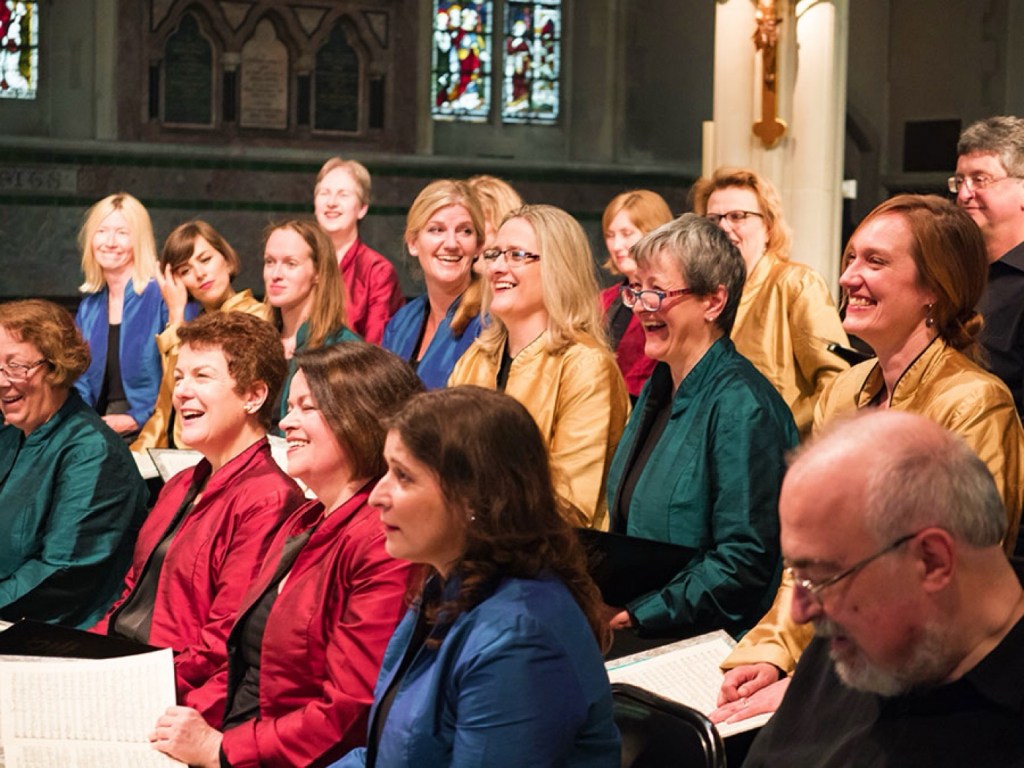
Similarly, Tell Me, Thou Soul of Her Love (1906) offers insight into Brian’s early development as a composer. This art song for voice and piano explores love, longing, and spiritual devotion, with a lyrical, introspective style that reflects his Romantic influences and his ability to craft intimate, emotionally resonant music. Performed by the Joyful Company of Singers under Peter Broadbent, it demonstrates his skill in miniature forms.
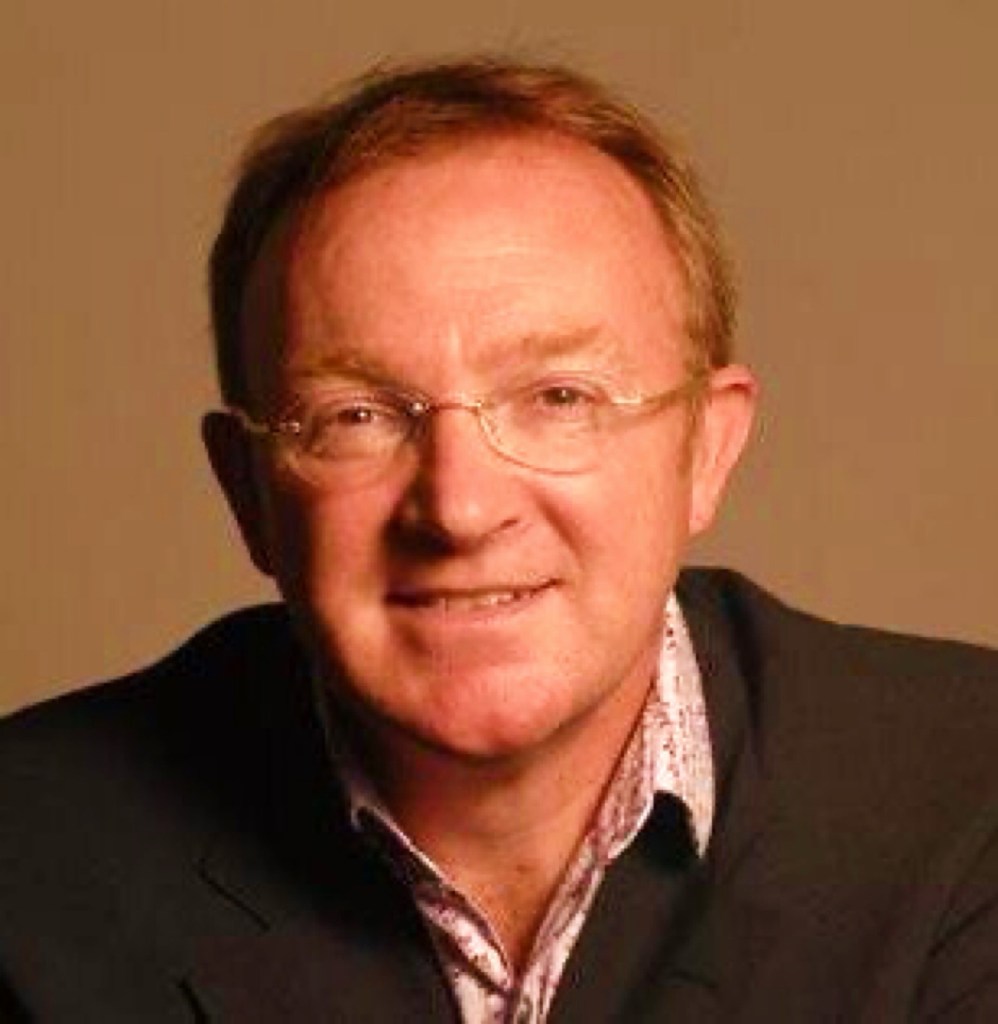
His Symphony No. 12 (1957), performed by English National Opera Orchestra and Martyn Babbins (conductor) is a late masterpiece, with the final movement, Allegro vivo, serving as a lively conclusion. This movement is characterised by its rhythmic drive, contrapuntal complexity, and orchestral colour, offering a vibrant, celebratory finale that showcases Brian’s ability to balance sophistication with accessibility.
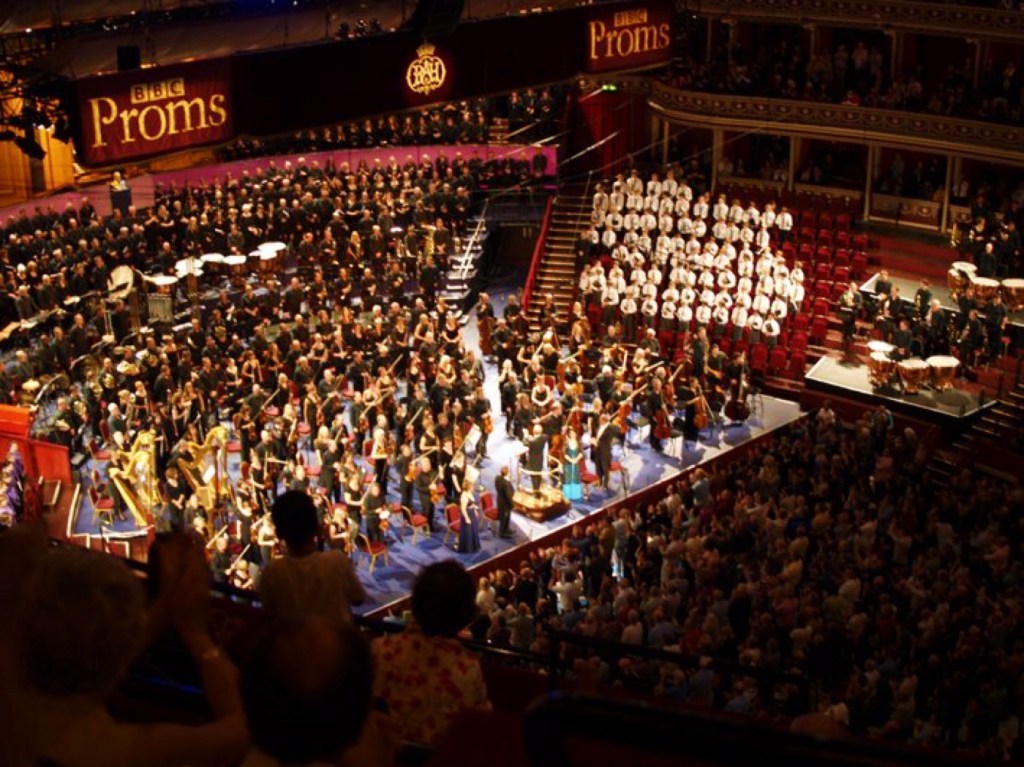
Finally, the fifth movement of The Gothic Symphony, V. Judex crederis esse venturus, is a grand choral finale that captures the work’s spiritual depth. Performed by ensembles including the BBC National Orchestra of Wales, BBC Concert Orchestra, Bach Choir, Cardiff Choir, London Symphony Chorus, Brighton Festival Chorus, and Huddersfield Choral Society under Martyn Brabbins, it shows Brian’s aim to create music that elevates and evokes the sublime. The orchestration of The Gothic Symphony showcases Brian’s ambition, requiring a vast ensemble: 8 horns, 4 trumpets, 4 trombones, 4 tubas, strings, woodwinds, percussion, keyboard, and multiple choirs, totalling over 1,000 performers—one of the largest symphonies ever.
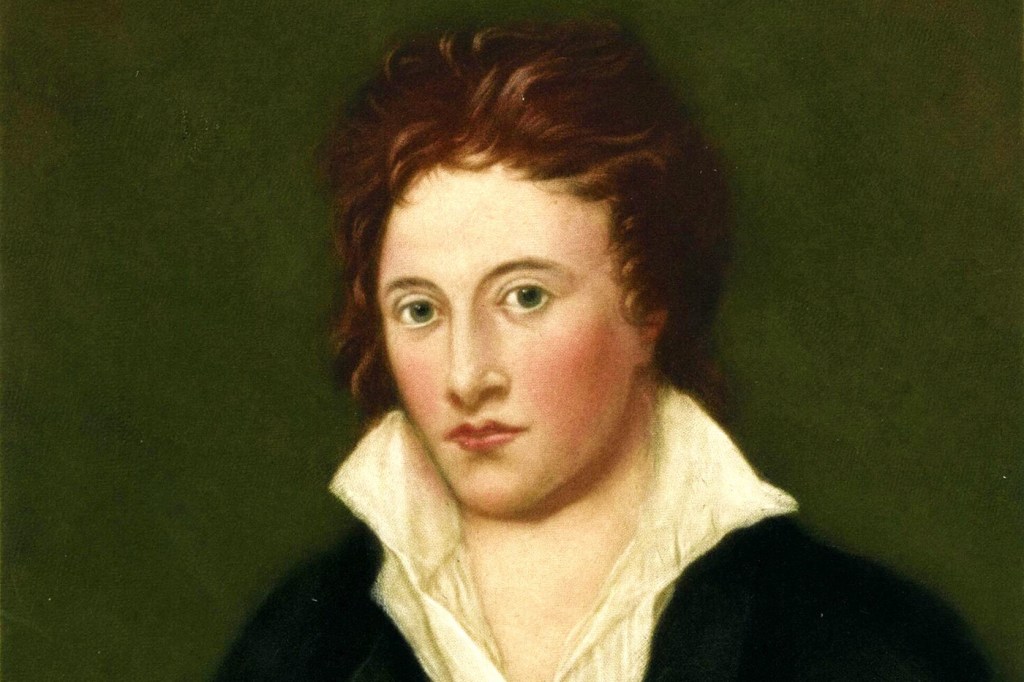
Percy Bysshe Shelley (1792—1822)
author of The Cenci (1819)
Brian also composed operas, revealing his dramatic side. The Cenci (1951), based on Shelley’s tragedy, is a dark, psychologically intense opera on oppression, rebellion, and moral conflict. It premiered in London in 1997 with the Millennium Sinfonia. The Tigers (1917–1919, revised 1927–1929) is a burlesque blending satire, military themes, and eccentric humour, featuring the first use of vibraphone in an orchestral score. The score was lost until rediscovered in 1977 and premiered on BBC Radio 3 in 1983. Besides symphonies and operas, Brian wrote choral, vocal, and chamber music, showcasing a dramatic, cinematic style and lyrical, introspective pieces.
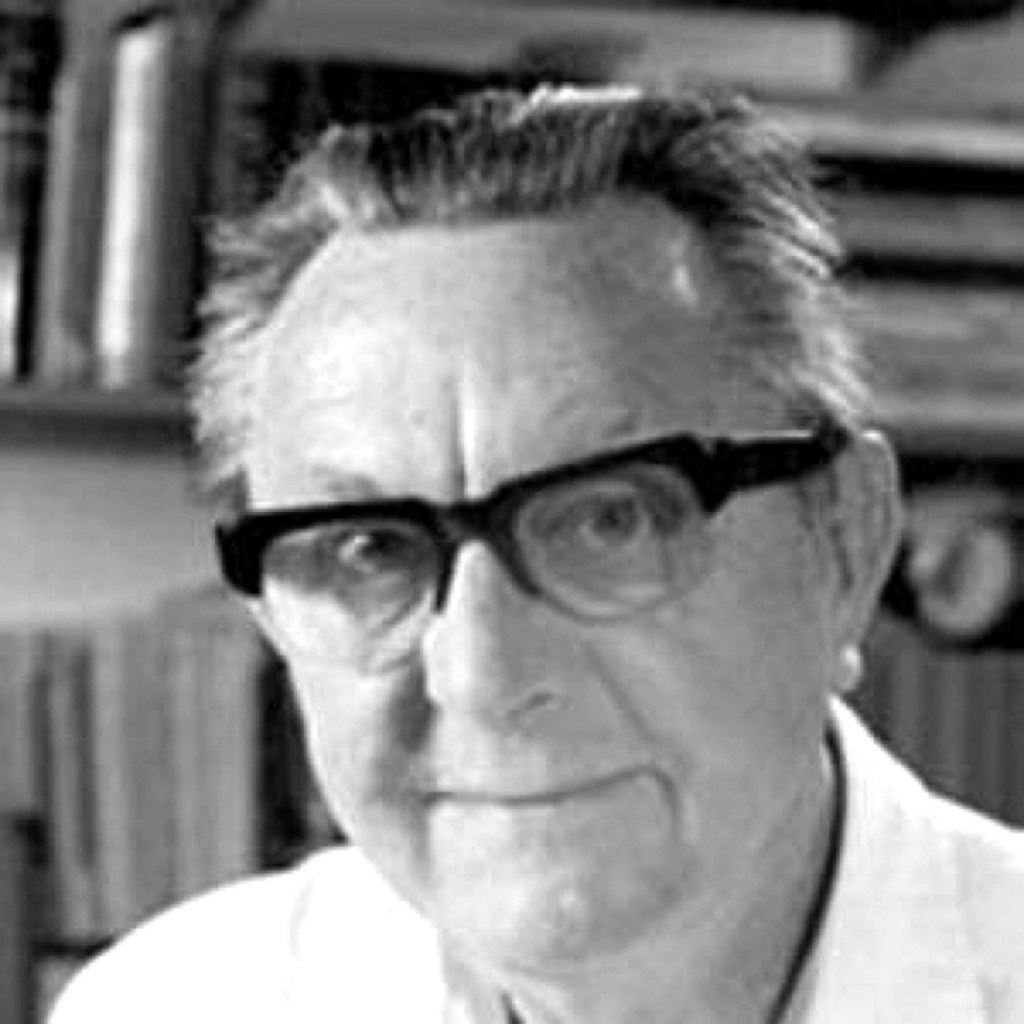
Brian’s rediscovery was driven by advocates like Robert Simpson, who helped restore his reputation and bring his music to broadcast audiences. Malcolm MacDonald’s multi-volume study (1974–1983) analysed Brian’s works and made them more accessible. Conductors like Myer Fredman recorded première performances, expanding his posthumous audience.
The Havergal Brian Society has played a key role in his rediscovery through research, publications, performances, and recordings. Today, Brian is recognised as a unique voice in British music, though he remains a cult figure rather than a mainstream artist. His perseverance and late-life creativity inspire musicians who value artistic integrity over success. His life and music highlight the power of artistic conviction. His journey, marked by perseverance, neglect, and recognition, shows that true creativity often thrives in quiet dedication to a personal vision.
This article was researched using primary and secondary sources with the assistance of Le Chat Pro. The research was cross-checked for accuracy.


Leave a Reply