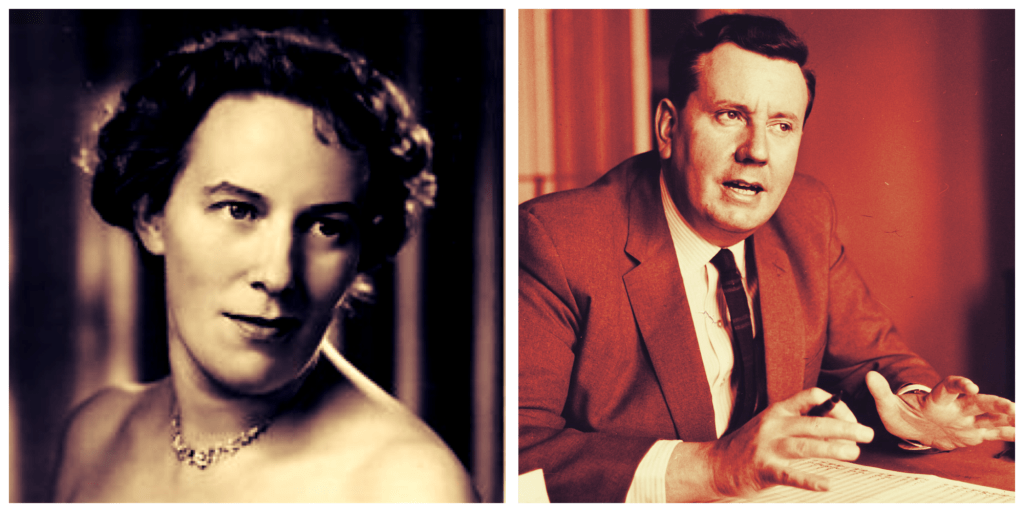
In 20th-century British music, the relationship between Malcolm Arnold and Ruth Gipps stands out. Both born in 1921, their lives and careers were connected through shared music, mutual respect, and a friendship lasting decades. From their early days at the Royal College of Music to their later collaborations, Arnold and Gipps demonstrated a wonderful sense of artistic camaraderie and innovation, reflecting their shared passion and mutual respect.
A radio broadcast, produced for RTHK Radio 3, is now available on SoundCloud. Musical excerpts in the programme include:
Malcolm Arnold (1921-2006)
Anniversary Overture, Op. 99 (1968)
BBC Concert Orchestra
Vernon Handley (conductor)
Ruth Gipps (1921-1999)
Coronation Procession, Op. 41 (1953)
BBC Philharmonic Orchestra
Rumon Gamba (conductor)
Malcolm Arnold (1921-2006)
Variations on a Theme of Ruth Gipps, Op. 122 – VI. Finale (1977
City of London Sinfonia
Richard Hickox (conductor)
Ruth Gipps (1921-1999)
Violin Concerto in B♭ Major, Op. 24 – III. Allegro (1941, revised 1950s)
Charlie Lovell-Jones (violin)
BBC Philharmonic Orchestra
Rumon Gamba (conductor)
Malcolm Arnold (1921-2006)
Inn of the Sixth Happiness – Suite, III. Happy Ending (1958)
London Philharmonic Orchestra
Vernon Handley (conductor)
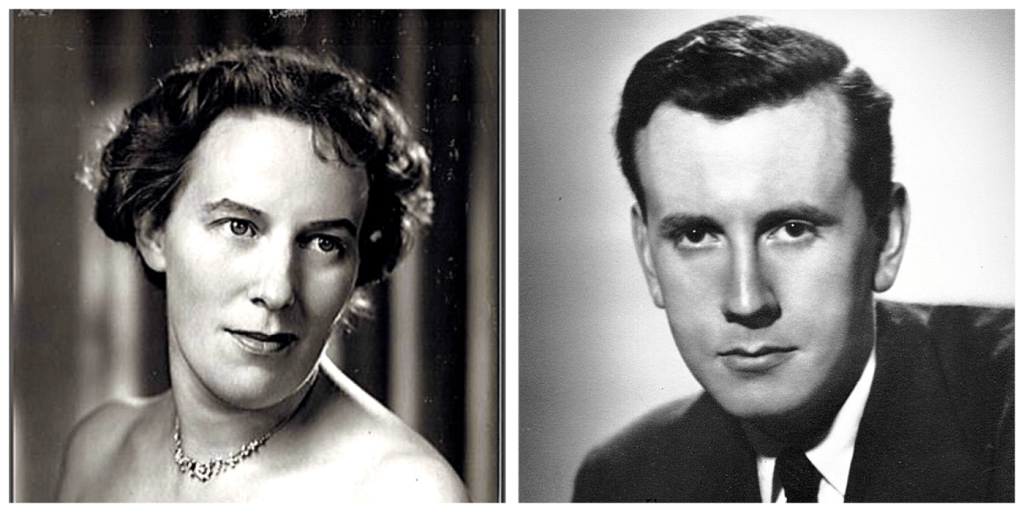
Ruth Gipps and Malcolm Arnold’s relationship combined personal warmth with a shared commitment to British musical life. At the Royal College of Music, Gipps won the 1941 W. W. Cobbett Competition with Brocade, a piano quartet, while Arnold took second prize with a Phantasy for String Quartet. This achievement provided an early point of professional contact between the two composers, who were already distinguished young musicians within the college.
Gipps initially knew Arnold as a brilliant trumpeter, recalling his daring improvisations and her initial disappointment when he shifted to composition. Her view changed after hearing his Third Symphony, recognising his serious talent for composition.
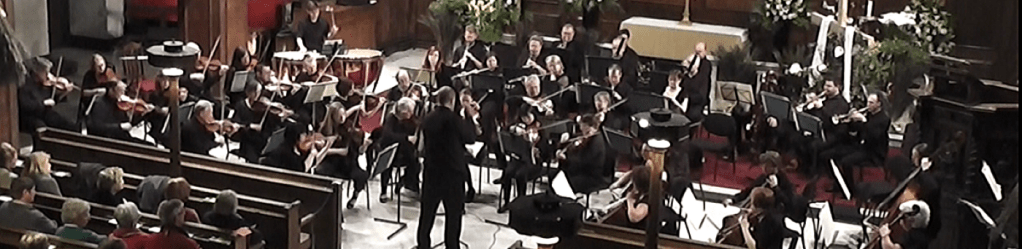
Their professional connection was evident through the London Repertoire Orchestra, founded by Gipps in 1955 to give young musicians rehearsal and performance opportunities. Arnold became president. Gipps included her works like the Serenade for Orchestra, First Sinfonietta, and Blake Songs, which she called her favorite.
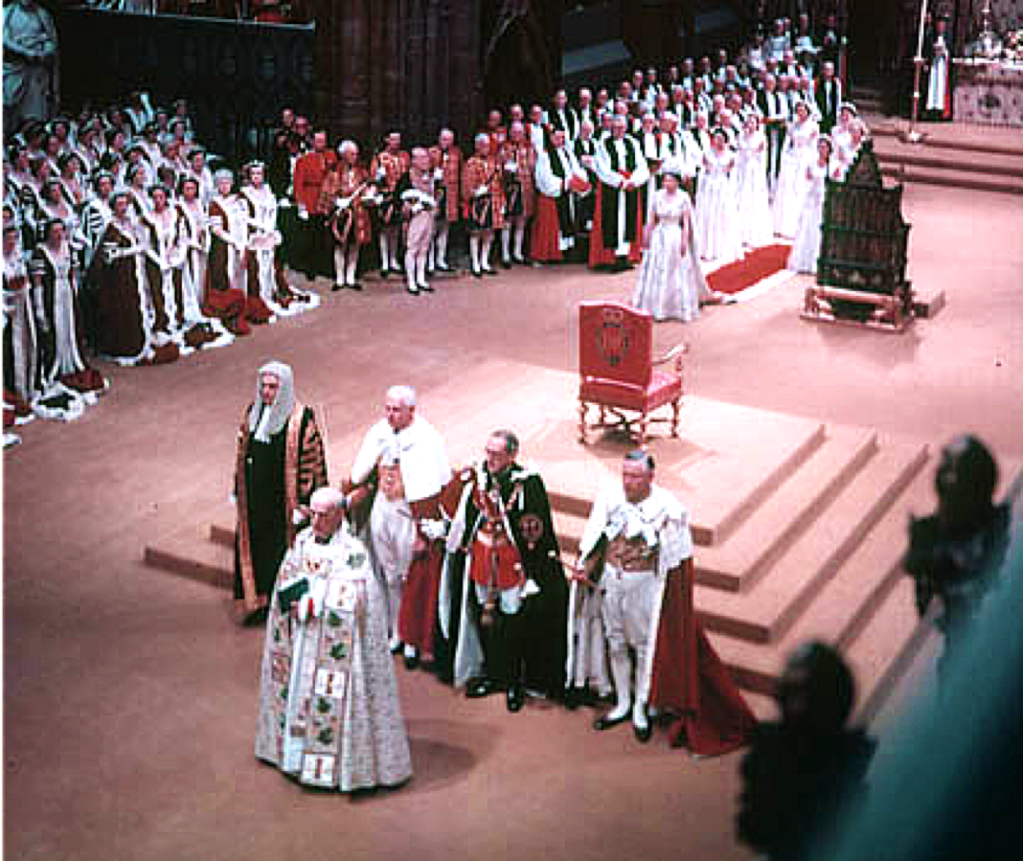
Arnold’s Variations for Orchestra on a Theme of Ruth Gipps, Op. 122, expresses their personal artistic relationship. Composed in Ireland in summer 1977, it uses a theme from Gipps’s Coronation Procession, Op. 41, for Queen Elizabeth II’s 1953 coronation. The piece premiered on 22 February 1978 at London’s Queen Elizabeth Hall, performed by the Chanticleer Orchestra conducted by Gipps. The autograph score dedication reads, “To Widdy with admiration and love from Malcolm, London, February 22/78.” “Widdy” was an older nickname used by Gipps and adopted by Arnold, conveying the warmth of their personal and professional relationship.
Their correspondence reveals a friendly and supportive friendship. In a letter dated 11 December 1982, Gipps wrote to Arnold from East Sussex about her work with the London Repertoire Orchestra and invited him to a concert. She humorously wondered if Arnold’s influence was in her Fifth Symphony, noting no one else had noticed during rehearsal.
Gipps recalled Arnold’s ability to blend humour, spontaneity, and depth. She said her brother first dismissed Arnold’s music as “too jazzy” but changed his mind after hearing the Blake Songs, which he admitted were “very beautiful.” This shows Gipps’s enthusiasm and support for Arnold’s music.
Malcolm Arnold
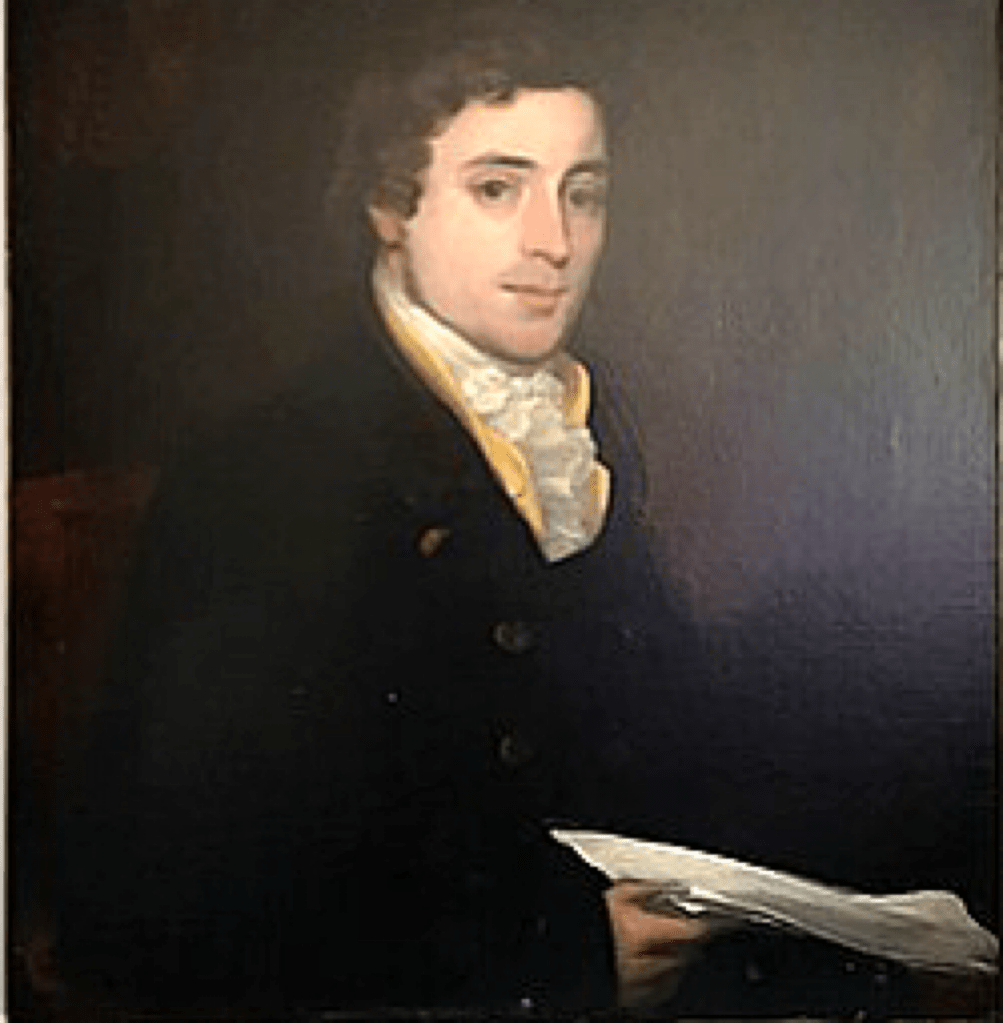
Malcolm Arnold remains one of the most distinctive voices in 20th-century British music. His early life was steeped in musical tradition—he was the great-great-grandson of William Hawes, a composer and head of music for the Chapels Royal and St Paul’s Cathedral. Arnold’s formal training began at the Royal College of Music from 1937 to 1941, where he studied trumpet with Ernest Hall and composition with Gordon Jacob. His career initially flourished as a trumpeter, and he became the principal trumpet of the London Philharmonic Orchestra from 1941 to 1948. However, by 1948, he had transitioned to full-time composition, a decision that would cement his legacy as one of Britain’s most versatile composers.

Arnold’s musical style was eclectic, blending jazz, folk, and classical traditions. His works are accessible, emotional, and rich in orchestral colour. He won an Academy Award for his score to The Bridge on the River Kwai (1957), demonstrating his skill ssca film composer. Alongside Benjamin Britten and William Walton, Arnold was a leading British composer of the mid-20th century. His prolific output included nine symphonies, concertos, ballets, film scores, and works for brass and wind bands. He was knighted in 1993. His legacy continues through the Malcolm Arnold Society, founded in 1991, and the annual Malcolm Arnold Festival in Northampton.
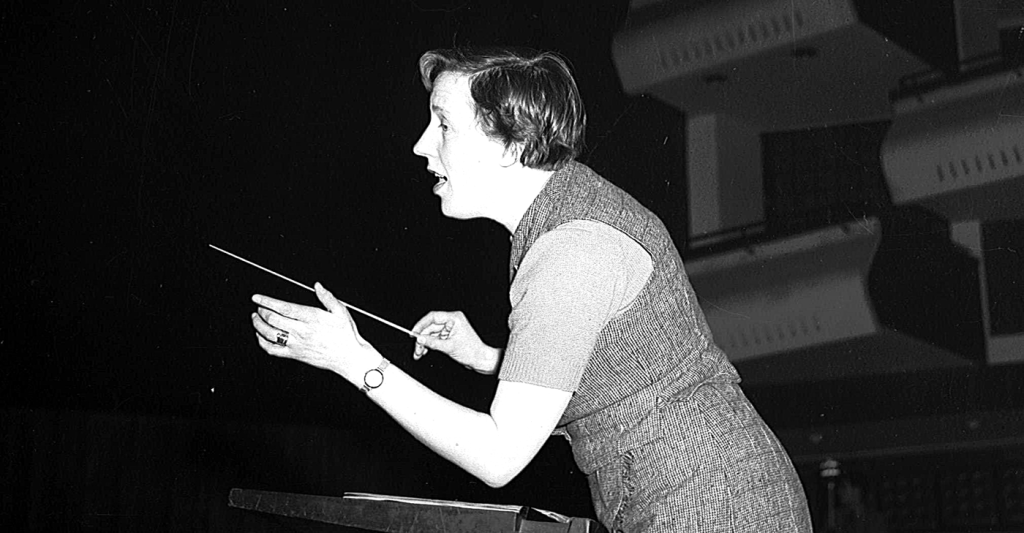
Ruth Gipps
Ruth Gipps, born on 21 February 1921 in Bexhill-on-Sea, England, was a trailblazer in a male-dominated musical world. She studied at the Royal College of Music from 1937 to 1941, where she honed her skills in oboe with Léon Goossens, piano with Arthur Alexander, and composition with Gordon Jacob and Ralph Vaughan Williams. Her musical style was deeply Romantic, tonal, and lyrical, drawing inspiration from Vaughan Williams and the English pastoral tradition while firmly rejecting the avant-garde trends of her time, such as serialism.
Gipps made history as the first woman to conduct at the Last Night of the Proms in 1942, leading her tone poem Knight in Armour. Her commitment to fostering new music led her to found the London Repertoire Orchestra in 1955 (originally named The One Rehearsal Orchestra) and the Chanticleer Orchestra in 1961. These ensembles provided invaluable opportunities for young professionals and students to perform a wide range of orchestral works, often at short notice, thereby improving their sight-reading skills. Gipps led the London Repertoire Orchestra from 1955 to 1986, and the orchestra became known for its weekly rehearsals of diverse works, often culminating in full run-throughs. It also championed new music, including premieres of works by living composers, and performed several of Gipps’s own compositions, such as her Symphony No. 2 (1960) and Symphony No. 4 (1973). In recognition of her contributions, she was awarded an MBE in 1981 and served as Chairwoman of the Composers’ Guild of Great Britain from 1967 to 1977.
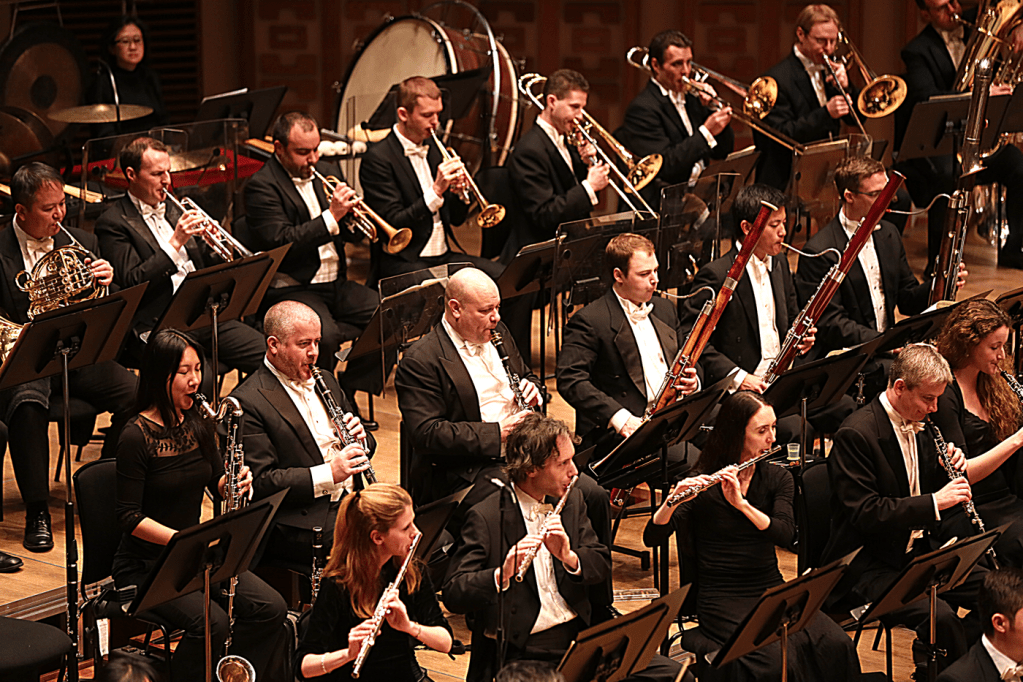
Malcolm Arnold: Anniversary Overture, Op. 99 (1968)
Commissioned in 1968 for the Hong Kong Philharmonic Society’s twenty-first birthday, Malcolm Arnold’s Anniversary Overture is a festive, energetic piece. It combines lyrical themes with orchestral brilliance, highlighting Arnold’s skill in crafting music that is both accessible and sophisticated.
Ruth Gipps: Coronation Procession, Op. 41 (1953)
Composed for the coronation of Queen Elizabeth II, the Coronation Procession is a ceremonial, majestic, and grand composition written for large orchestral forces.
Malcolm Arnold: Variations on a Theme of Ruth Gipps, Op. 122 – VI. Finale (1977)
Arnold’s Variations on a Theme of Ruth Gipps, inspired by Gipps’s Coronation Procession (1953), premiered on 22 February 1978 at London’s Queen Elizabeth Hall, performed by the Chanticleer Orchestra conducted by Gipps. The lively Finale (Variation VI) highlights Arnold’s orchestral skill. The score is dedicated “To Widdy with admiration and love from Malcolm,” showing their close bond.
Ruth Gipps: Violin Concerto in B flat Major, Op. 24 – III. Allegro (1943, revised 1950s)
Composed in 1943, Gipps’s Violin Concerto in B flat Major, later revised in the 1950s, premiered on 5 February 1944 with the Modern Symphony Orchestra, conducted by Arthur Dennington, featuring her brother Ernest Gipps as soloist. The energetic, demanding, and lyrical work showcases Gipps’s Romantic style and mastery of the concerto.
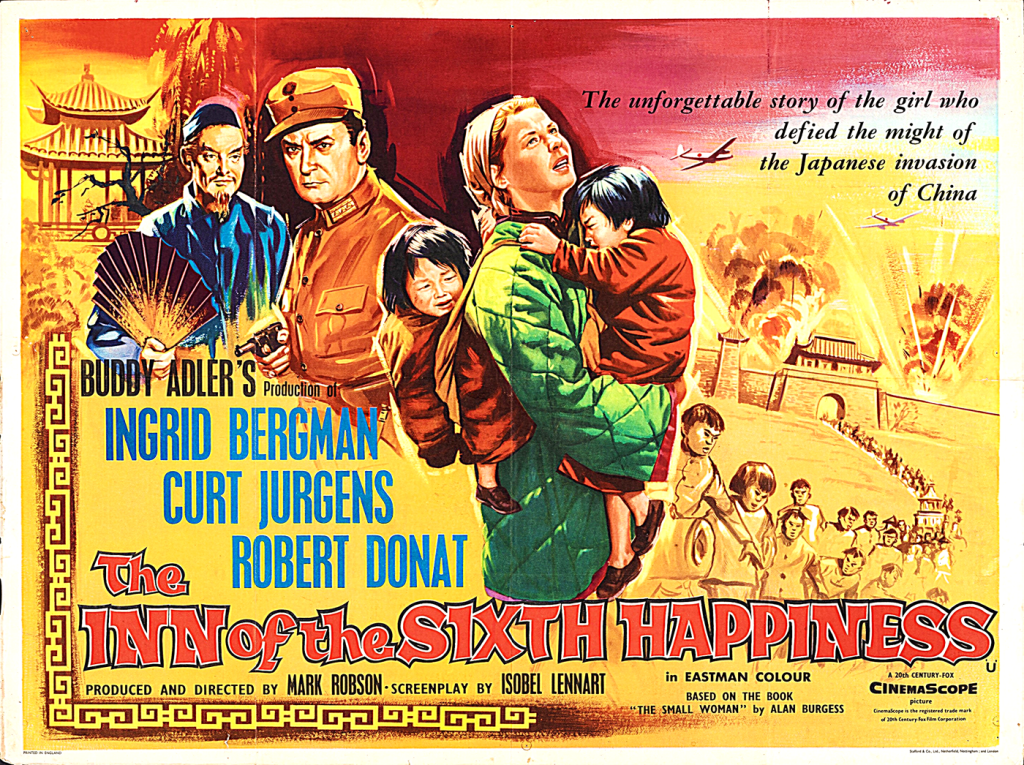
Malcolm Arnold: Inn of the Sixth Happiness – Suite, III. Happy Ending (1958)
The suite, based on Arnold’s 1958 score for The Inn of the Sixth Happiness by Mark Robson, starring Ingrid Bergman, is inspired by Gladys Aylward’s true story. It includes three movements: London Prelude, Romantic Interlude, and Happy Ending, with the last capturing the film’s uplifting resolution through a mix of Western and Eastern influences.
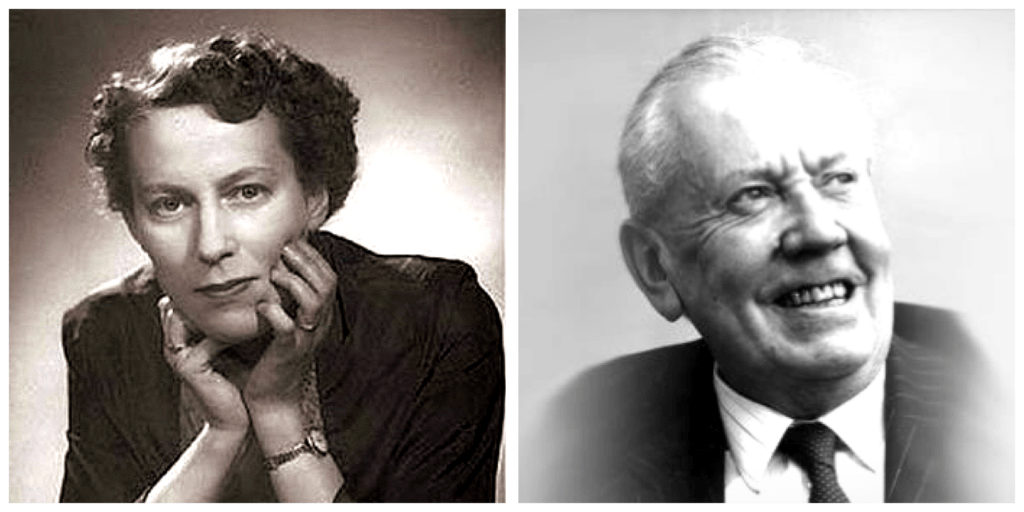
The friendship between Malcolm Arnold and Ruth Gipps exemplifies mutual respect, collaboration, and a shared passion for music. From their early days at the Royal College of Music to their lifelong bond, their relationship was filled with admiration and support, rooted in a deep understanding of each other’s artistic visions. Arnold’s Variations on a Theme of Ruth Gipps honors their connection, while Gipps’s championing of Arnold’s works through the London Repertoire Orchestra highlights their collaboration. Their story shows the lasting impact of friendship and shared creativity in music.
This article was researched using primary and secondary sources with the assistance of Le Chat Pro. The research was cross-checked for accuracy.


Leave a Reply