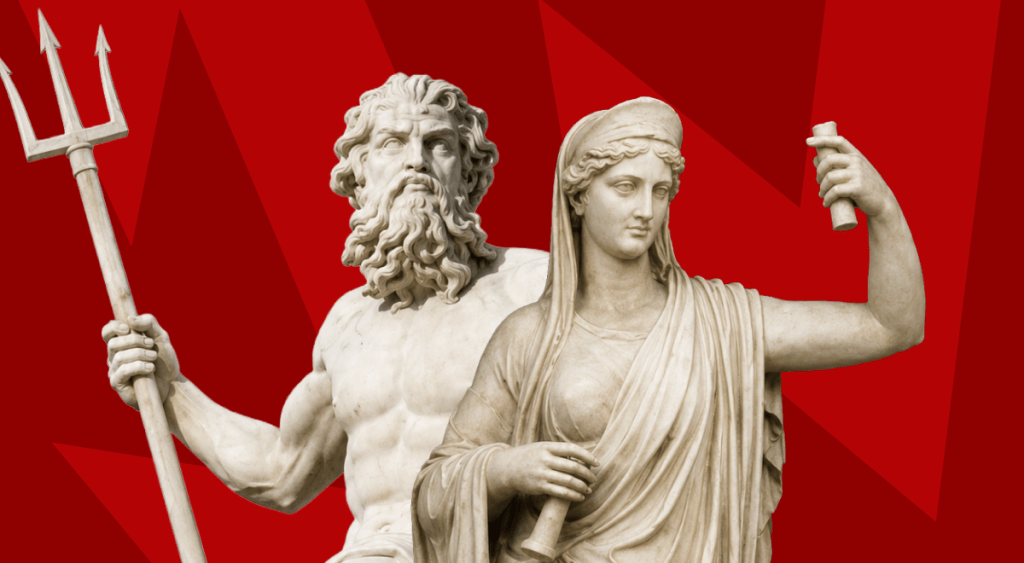
Greek mythology is one of the most influential storytelling traditions in European and Western cultural history. Developing through oral and literary traditions in the ancient Greek world, these myths feature gods, heroes, monsters, and extraordinary natural phenomena. They offered ways of thinking about the universe, human nature, mortality, and life’s deepest mysteries. Stories of love, betrayal, hubris, fate, and the relationship between human beings and the divine continue to feel psychologically and emotionally recognisable.
A radio broadcast, produced for RTHK Radio 3, is now available on Soundcloud. Musical excerpts in the programme include:
Christoph Willibald Gluck (1714–1787)
Overture to Orfeo and Euridice (1762)
Orchestra of the Royal Opera House
Sir Georg Solti (conductor)
Hector Berlioz (1803–1869)
The Trojans: Royal Hunt and Storm (1863)
Orchestra of The Royal Opera House
Bernard Haitink (conductor)
Alexander Scriabin (1872–1915)
Prometheus: The Poem of Fire (1908–1910)
Russian State TV and Radio Choir
Moscow Symphony Orchestra
Konstantin Scheberkov (conductor)
Maurice Ravel (1875–1937)
Daphnis and Chloe: Suite No 2 III. Danse générale (1912)
Royal Concertgebouw Orchestra
Bernard Haitink (conductor)
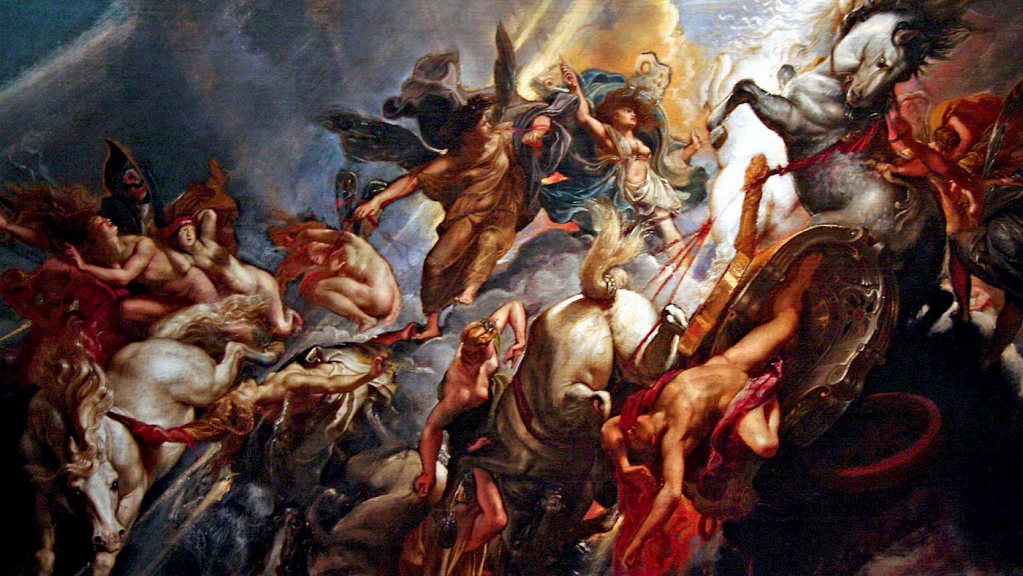
The lasting of Greek mythology appeal lies partly in their adaptability. Greek myths have been retold across cultures and generations, often changing meaning as artists and audiences have brought new perspectives to them. They offer insights into human emotions, moral dilemmas, political conflict, and the supernatural. This versatility is one of the main reasons that classical mythology has remained so popular and relevant for more than two thousand years.
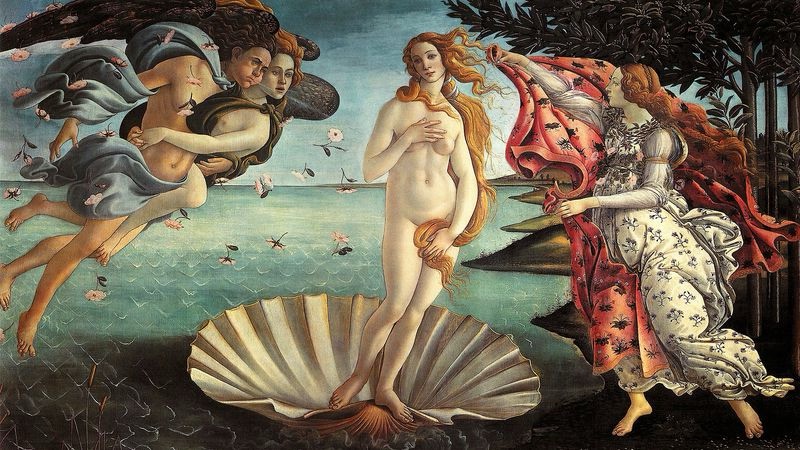
During the Renaissance, artists like Sandro Botticelli, Michelangelo, Raphael, and Titian focused on themes from Greek and Roman mythology. They frequently referenced ancient texts, especially Ovid’s Metamorphoses. Examples include Botticelli’s The Birth of Venus, Michelangelo’s studies of mythological figures, and Titian’s series of mythological paintings, all highlighting the era’s interest in classical antiquity. The Baroque and Neoclassical eras continued this tradition. Artists such as Peter Paul Rubens and Jacques-Louis David used classical stories to evoke sensuality, grandeur, drama, and moral conflict.
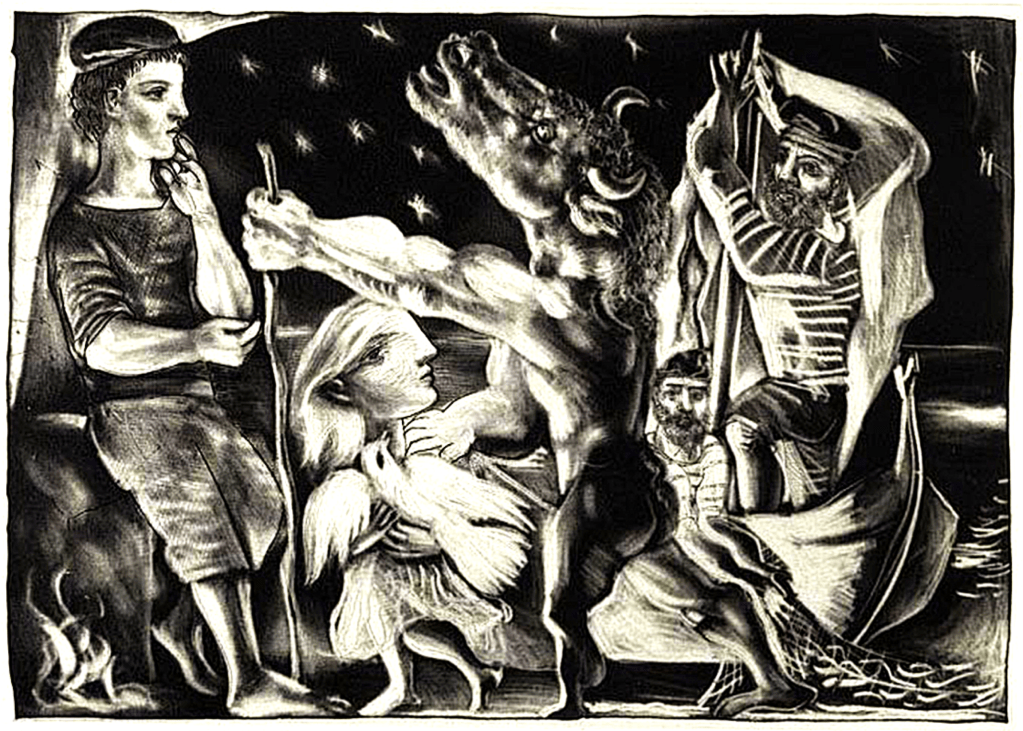
In the modern era, artists like Gustav Klimt, Pablo Picasso, and Cy Twombly each reimagined myth uniquely. Klimt rendered classical themes into decorative, erotic symbols; Picasso tackled them via modernist abstraction; and Twombly employed myth as a fragmented, allusive language exploring memory and psychological states. Their work shows that mythology can survive not by remaining unchanged, but by being continually reinvented.
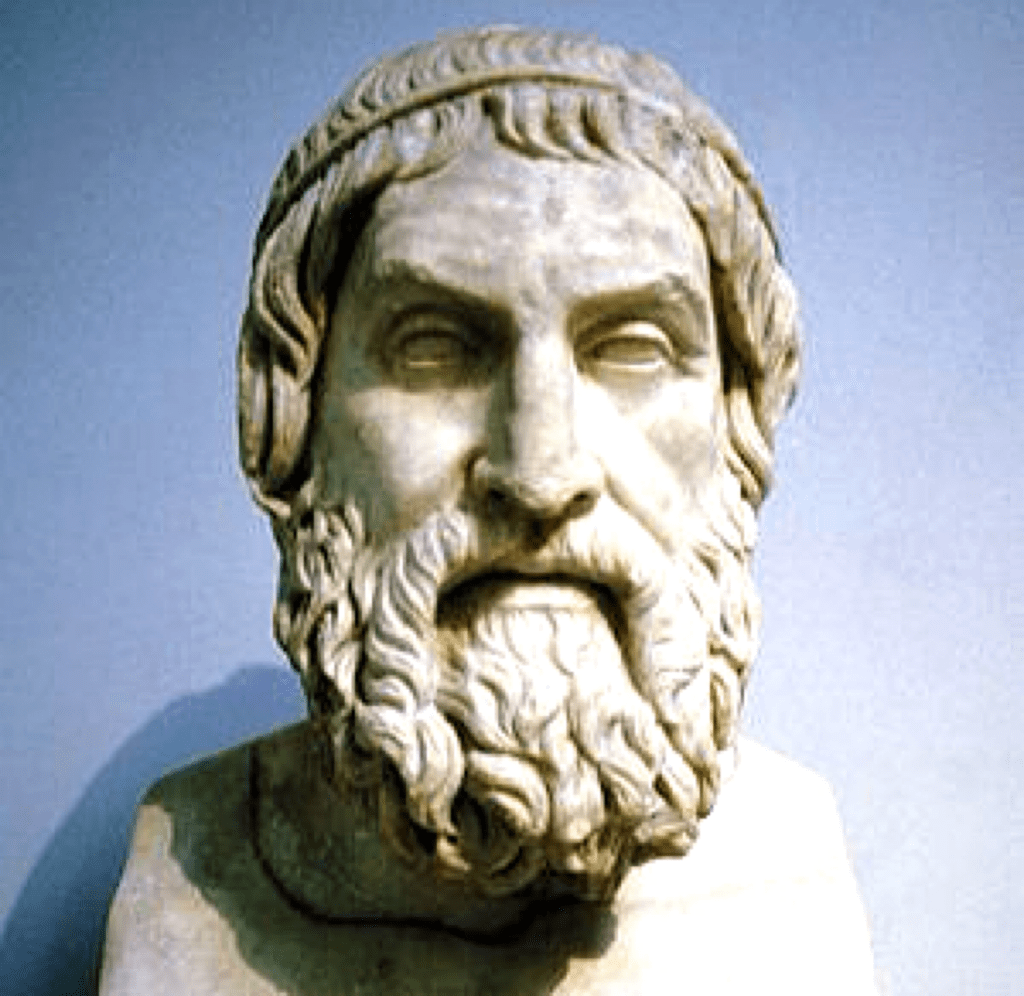
The great Greek tragedians—Aeschylus, Sophocles, and Euripides—relied heavily on traditional myths. However, they did more than merely retell these stories; they modified them to explore themes such as political authority, religious duties, family loyalty, free will, and individual societal responsibilities.Greek tragedy laid essential groundwork for subsequent Western drama, even though Roman theatre, medieval religious plays, Shakespeare, and various other theatrical traditions also played significant roles in shaping modern drama. The continuing power of these plays comes from their emotional and intellectual complexity.Their characters find themselves in situations where every choice they make comes with a cost, making the stories feel less like distant legends and more like urgent tests of human responsibility.
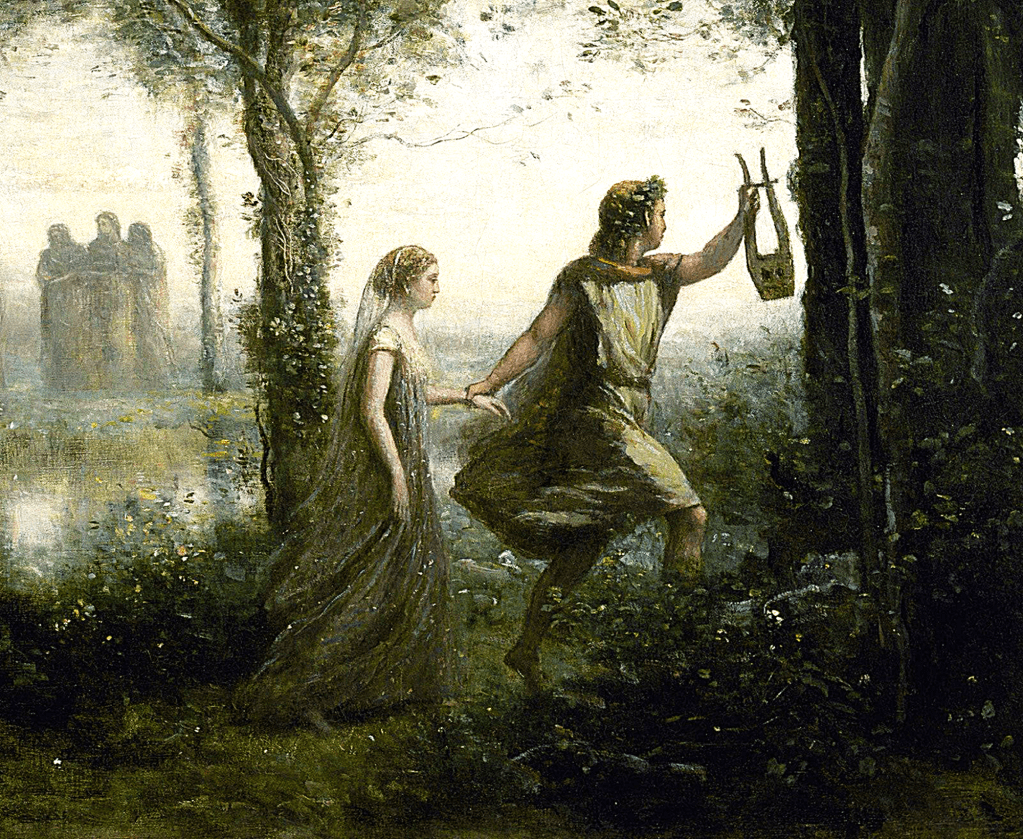
Orpheus Leading Eurydice from the Underworld, detail of an oil painting by Camille Corot, 1861
The influence of Greek mythology on music runs deep. Composers have drawn on classical stories to explore love, tragedy, heroism, spiritual transformation, and the relationship between human beings and forces beyond their control. Orpheus and Prometheus have provided especially fertile subjects. Dido and Aeneas belong more specifically to the Roman literary tradition, particularly Virgil’s Aeneid, while Ravel’s Daphnis et Chloé is based on a Greek pastoral romance by Longus rather than on a myth in the strict sense. These stories have nevertheless formed part of a wider classical imaginative world. They have encouraged composers to experiment with dramatic structure, orchestral colour, harmony, rhythm, and the relationship between music and narrative. Gluck’s operatic reforms, Berlioz’s visionary orchestration, Scriabin’s mystical conception of sound and colour, and Ravel’s luminous orchestral writing all demonstrate different ways in which classical literature and mythology can stimulate musical innovation.

Christoph Willibald Gluck (1714–1787)
Overture to Orfeo and Euridice (1762)
Christoph Willibald Gluck revolutionised opera by placing dramatic expression and emotional clarity above displays of vocal virtuosity. After early training in central Europe, he established himself in Italy, where he absorbed Italian operatic practice. He later worked in Vienna and Paris, where his ideas developed further. Gluck became dissatisfied with what he regarded as the excessive formalism of opera seria, particularly its emphasis on elaborate vocal display at the expense of dramatic continuity. In collaboration with the librettist Ranieri de’ Calzabigi, he sought a more direct style in which music would serve the story and the characters.
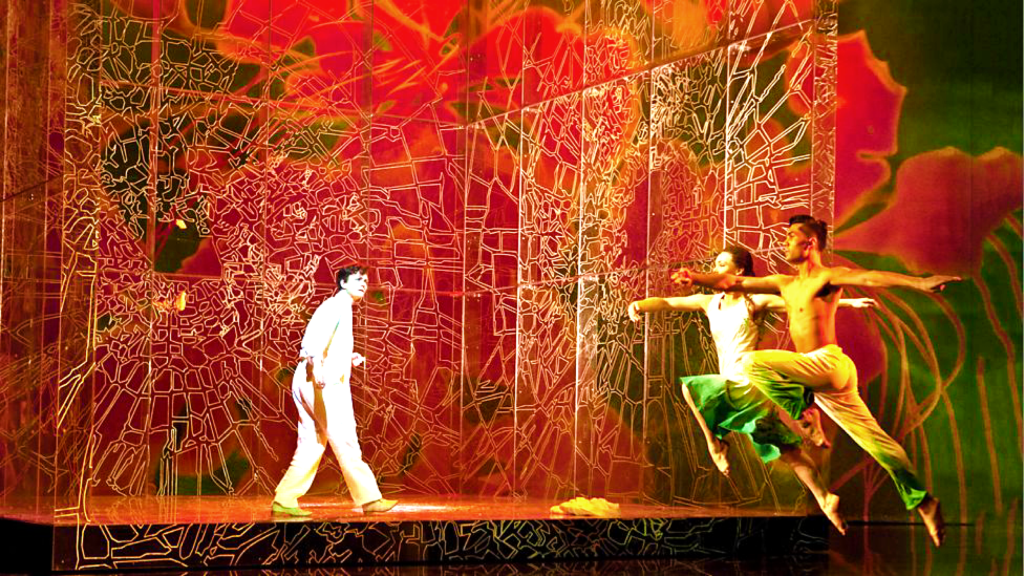
(c) Scottish Opera / KK Dundas
His best-known reform opera, Orfeo ed Euridice, premiered in Vienna in 1762. Based on the ancient story of Orpheus, it focuses on grief, love, loss, and the power of music. Rather than treating the myth as an opportunity for vocal showmanship, Gluck uses expressive choruses, relatively direct musical forms, and sustained dramatic continuity to hold the audience’s attention on Orpheus’s emotional journey. The overture establishes the opera’s dramatic atmosphere, but it is not a detailed musical exploration of the Orpheus myth.
The most direct expression of the story’s emotional and supernatural dimensions comes in the opera proper: Orpheus’s opening lament, the scenes in the Underworld, the Dance of the Blessed Spirits, and the final confrontation with Eurydice. Gluck’s reforms transformed eighteenth-century opera and influenced later composers, including Mozart and Wagner. His treatment of mythology helped demonstrate how an ancient story could become a vehicle for psychologically immediate and musically direct drama.
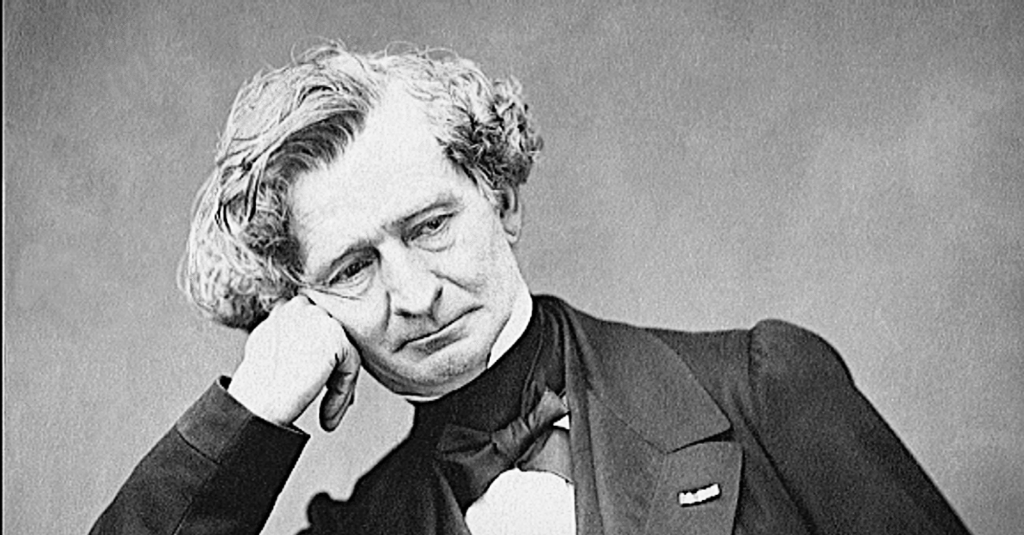
Hector Berlioz (1803–1869)
The Trojans: Royal Hunt and Storm (1863)
Hector Berlioz abandoned medical studies in Paris to pursue music. His imagination was deeply shaped by literature, especially Shakespeare and Virgil. These influences are evident in his dramatic works, including Les Troyens, an opera based primarily on Virgil’s Aeneid. Composed between 1856 and 1858, Les Troyens recounts the fall of Troy and the tragic relationship between Dido and Aeneas. In the Carthage section, the orchestral interlude known as “The Royal Hunt and Storm” accompanies the hunt involving Dido and Aeneas before a storm drives them into a cave. Berlioz uses the orchestra not merely to illustrate external events but also to intensify the emotional and dramatic tension between the characters.

Berlioz The Trojans (Les Troyens) in Vienna 2018
His bold orchestration brings the ancient world to life through imposing brass, vivid percussion, sweeping strings, and richly contrasted instrumental colours. The work combines the scale of epic poetry with the intimacy of personal tragedy, making Dido’s abandonment and death feel both mythic and profoundly human.
Berlioz never heard Les Troyens performed in its entirety. The final three acts were staged in Paris in 1863 under the title Les Troyens à Carthage, but with cuts and alterations. The complete opera was first staged in 1890, long after Berlioz’s death. Its later recognition established it as one of the landmarks of nineteenth-century French opera and confirmed the originality of Berlioz’s approach to epic musical drama.
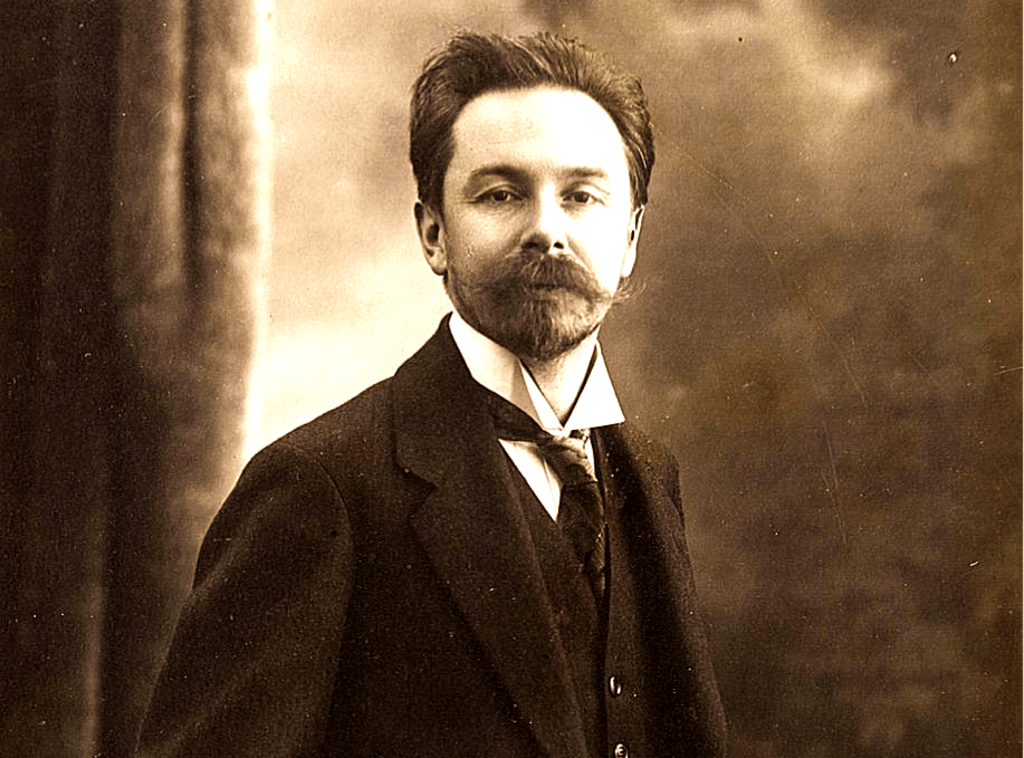
Alexander Scriabin (1872–1915)
Prometheus: The Poem of Fire (1908–1910)
Alexander Scriabin was a virtuoso pianist whose musical thinking was influenced by philosophy, symbolism, Theosophy, and his belief in the transformative power of art. He sought to create music that extended beyond sound alone and could produce a spiritual or even quasi-religious experience. His orchestral work Prometheus: The Poem of Fire, composed around 1908–10, draws on the Greek myth of Prometheus, the figure who steals fire from the gods and gives it to humanity. Scriabin interpreted Prometheus less as a conventional narrative character than as a symbol of creative power, illumination, and human transformation.
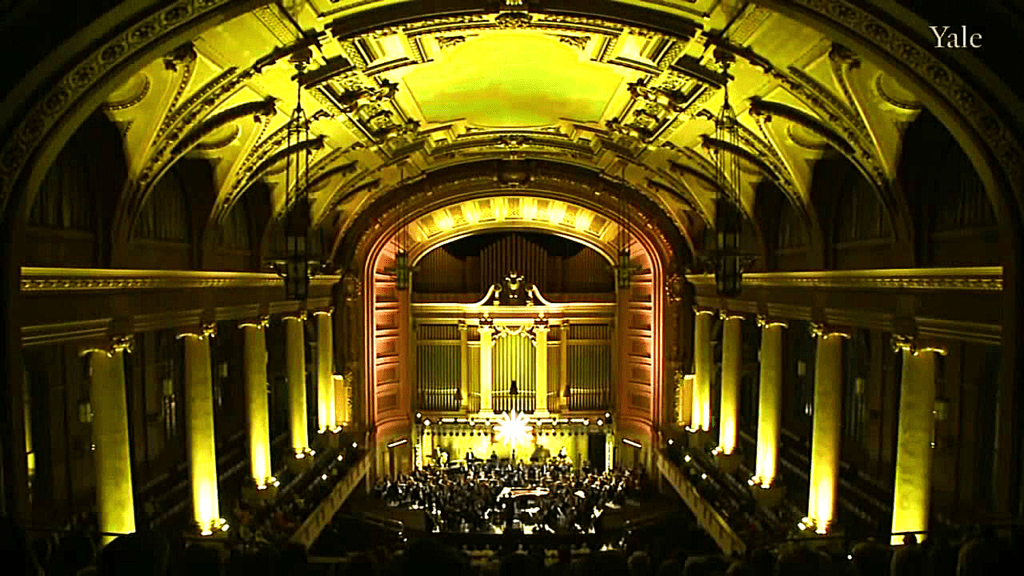
The work is scored for orchestra, solo piano, optional chorus, and a notated colour-light part for the clavier à lumières, or colour organ. Scriabin intended different colours to correspond with aspects of the musical and harmonic structure, creating a multisensory experience in which sound and light would operate together. Although the visual element was central to his conception, it was not successfully realised at the 1911 premiere.
Prometheus contains dense chromatic harmony, unusual harmonic relationships, and an expansive orchestral texture. Its philosophical and symbolic ambitions point towards Mysterium, Scriabin’s unfinished project for a vast, multisensory ritual that would unite music, colour, movement, scent, and spiritual transformation. Although Mysterium was never completed, Prometheus remains one of the most striking examples of a composer attempting to expand the boundaries of musical experience.
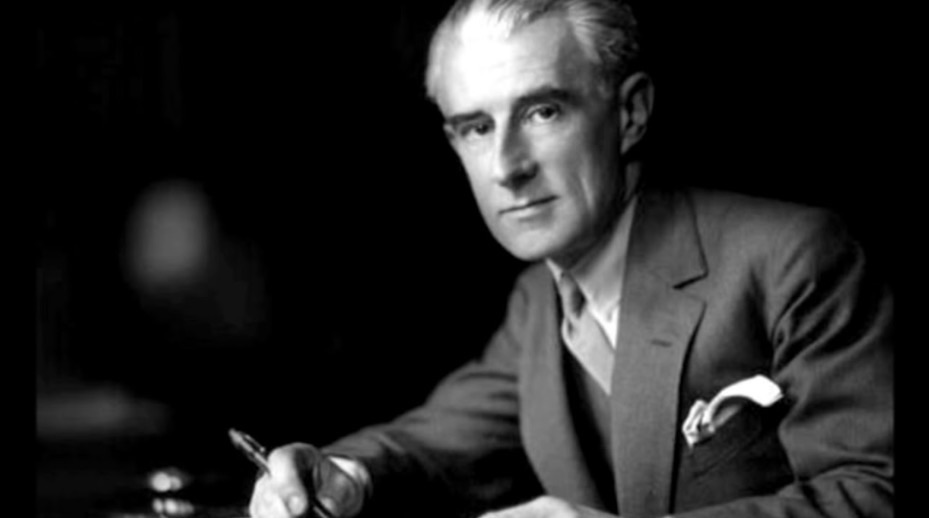
Maurice Ravel (1875–1937)
Daphnis and Chloe: Suite No 2 III. Danse générale (1912)
Maurice Ravel’s Daphnis et Chloé brings to life the second-century Greek pastoral romance by Longus. The story follows two foundlings who are raised by shepherds and gradually discover love within an idyllic rural setting. It is not a Greek myth in the strict sense, but its world includes mythological figures and motifs associated with Pan, the Nymphs, Eros, and Dionysus. Sergei Diaghilev commissioned the ballet for the Ballets Russes, and it was premiered at the Théâtre du Châtelet in Paris on 8 June 1912. Choreography was by Michel Fokine, with Vaslav Nijinsky and Tamara Karsavina among the principal dancers.
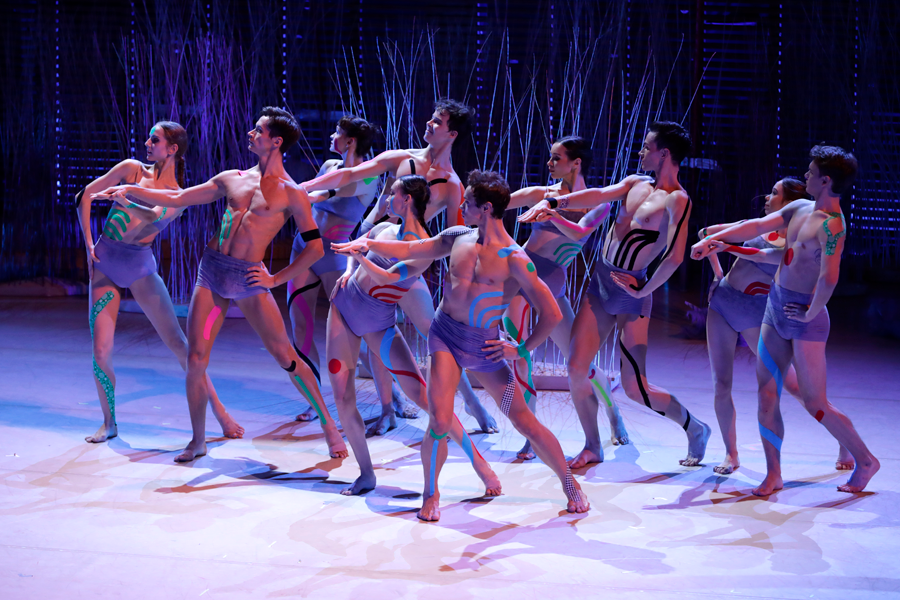
Ravel spent several years developing the score, creating an expansive musical landscape of exceptional delicacy and brilliance. His orchestration evokes dawn, sunlight, pastoral movement, sensuality, and communal celebration. The music combines rhythmic vitality with subtle harmonic colour, allowing the natural world and the lovers’ emotional development to appear as part of one continuous atmosphere. The final movement of Suite No. 2, the Danse générale, transforms the lovers’ union into an ecstatic communal dance. Its rhythmic drive and luminous orchestration create a sense of physical energy and collective celebration. Ravel’s craftsmanship captures both the innocence of the pastoral setting and the sensual awakening at the heart of the story.
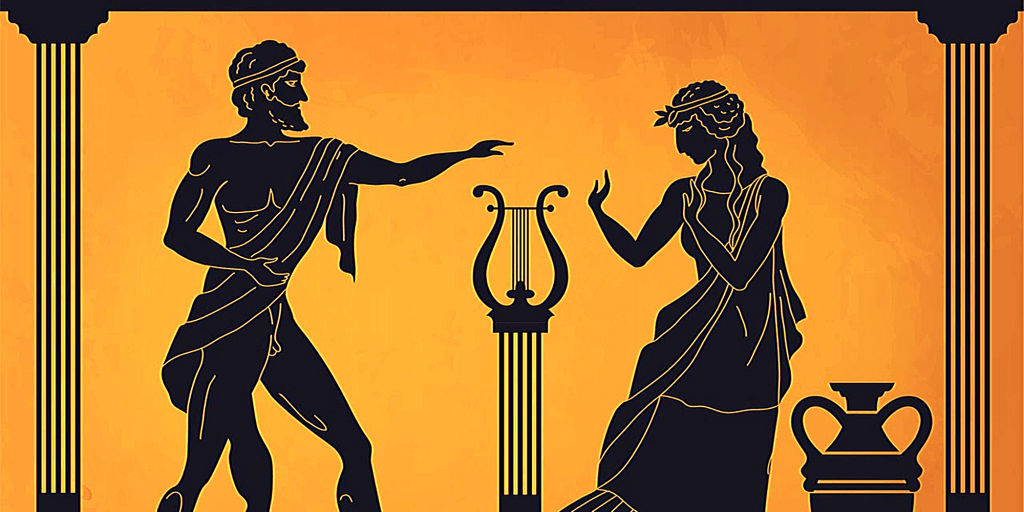
Greek mythology’s continuing presence in music lies not merely in the survival of its gods, heroes, and monsters, but in the ability of composers to reinterpret ancient narratives through changing ideas of emotion, psychology, spirituality, and musical form. From Gluck and Berlioz to Scriabin and Ravel, classical stories have provided frameworks through which composers could explore love, mortality, transformation, and the relationship between human beings and forces beyond their control. Their works demonstrate that ancient narratives can remain artistically powerful when they are treated not as fixed relics of the past, but as flexible imaginative structures capable of expressing new experiences. Greek mythology therefore continues to influence music because its stories connect the personal with the universal. They give composers a language for portraying grief, desire, ambition, sacrifice, transcendence, and the limits of human power—subjects that remain as compelling now as they were in the ancient world.
This article was researched using primary and secondary sources with the assistance of Vibe AI. The research was cross-checked for accuracy.

Leave a Reply