George Frideric Handel’s journey was marked by success, adversity, and continual reinvention. Starting from modest origins in Halle and rising to fame in London, he challenged expectations, overcame numerous obstacles, and made a lasting impact on music. His character—passionate, generous, resilient, and worldly—aligned with his complex compositions. The current programme highlights works composed in London, including Rinaldo, Water Music, Zadok the Priest, Messiah, and Music for the Royal Fireworks. These pieces demonstrate Handel’s musical versatility while also reflecting the political, social, and cultural trends of his time.
A radio broadcast, produced for RTHK Radio 3, is now available on Soundcloud. Musical excerpts in the programme include:
George Frederick Handel (1685–1759)
Rinaldo: Act III. Battaglia (1711)
Academy of Ancient Music
Christopher Hogwood (conductor)
George Frederick Handel (1685–1759)
The Water Music: III. Allegro (1717)
Academy of Ancient Music Berlin
George Frederick Handel (1685–1759)
Zadok the Priest (1727)
Choir of Westminster Abbey
Trevor Pinnock (conductor)
George Frederick Handel (1685–1759)
Messiah: Why Do The Nations? (1742)
Christopher Purves (bass)
The Sixteen
Harry Christophers (conductor)
George Frederick Handel (1685–1759)
Music For The Royal Fireworks: Overture (Original 1749 scoring)
The King’s Consort
Robert King (conductor)
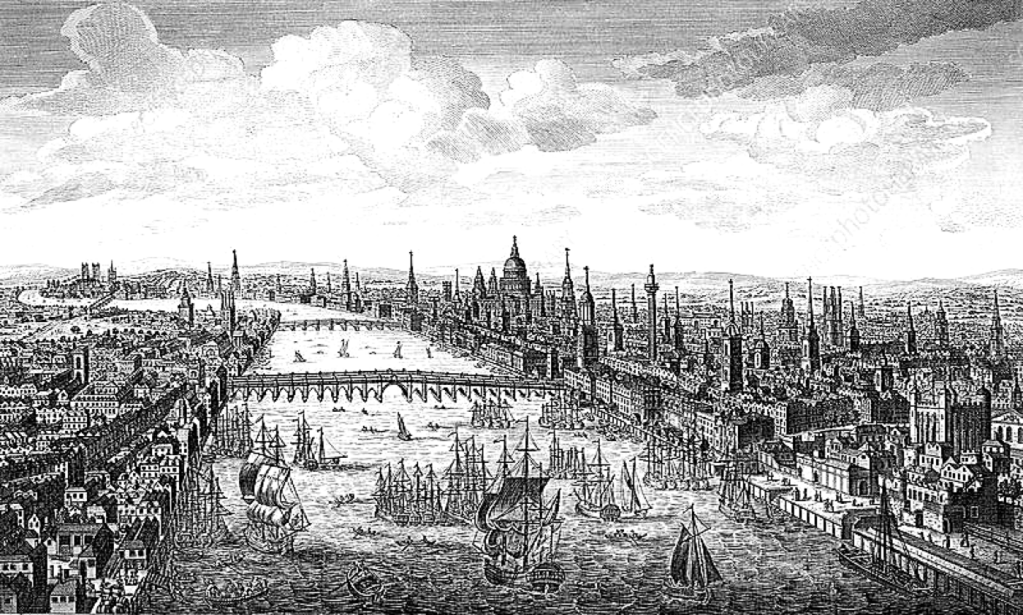
Handel first travelled to London in 1710 and made it his home in 1712 after a short return to Hanover. In June 1710, he was appointed as Kapellmeister to the Elector of Hanover, who would become King George I of England, but soon after, he received permission to go to London. His move to London started a nearly 50-year relationship with the city. Handel’s first London opera, Rinaldo (1711), was a tremendous success, premiering at Queen’s Theatre, Haymarket, on 24 February 1711. It ran for 15 performances, setting a record. By December 1713, Queen Anne awarded him a lifelong pension of £200, reflecting his rising fame.
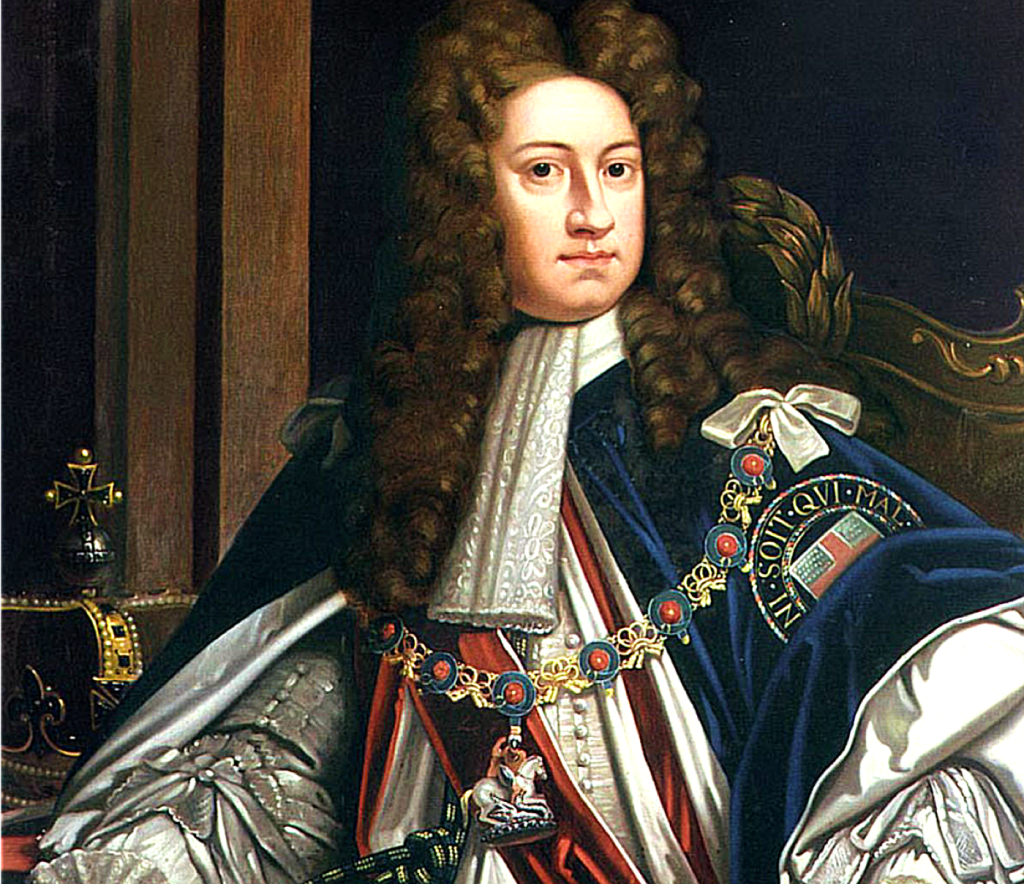
When King George I ascended in August 1714, Handel’s pension continued, and he remained in England, making it his home. Over the next decade, he composed many of his finest operas, including Giulio Cesare (1724), Rodelinda (1725), Orlando (1733), Ariodante (1735), Alcina (1735), and Serse (1738). These works set new standards for opera seria, blending orchestral colour, dramatic effects, and psychological depth. Handel’s operas were not merely musical triumphs—they became significant social events. The Queen’s Theatre and the King’s Theatre became the heart of London’s cultural life, attracting aristocrats, merchants, and even royalty.
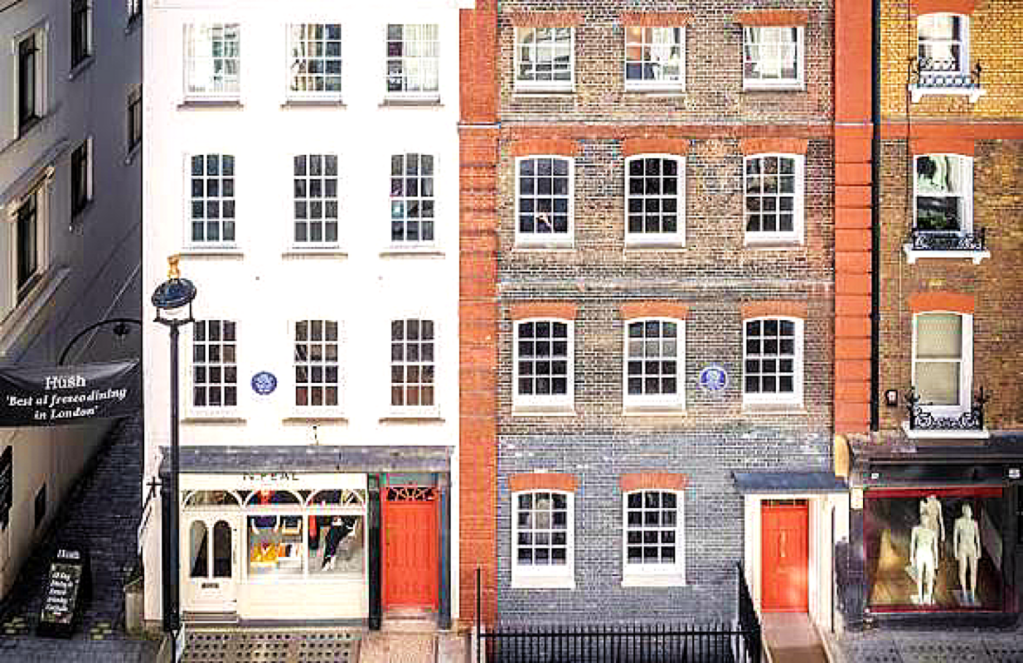
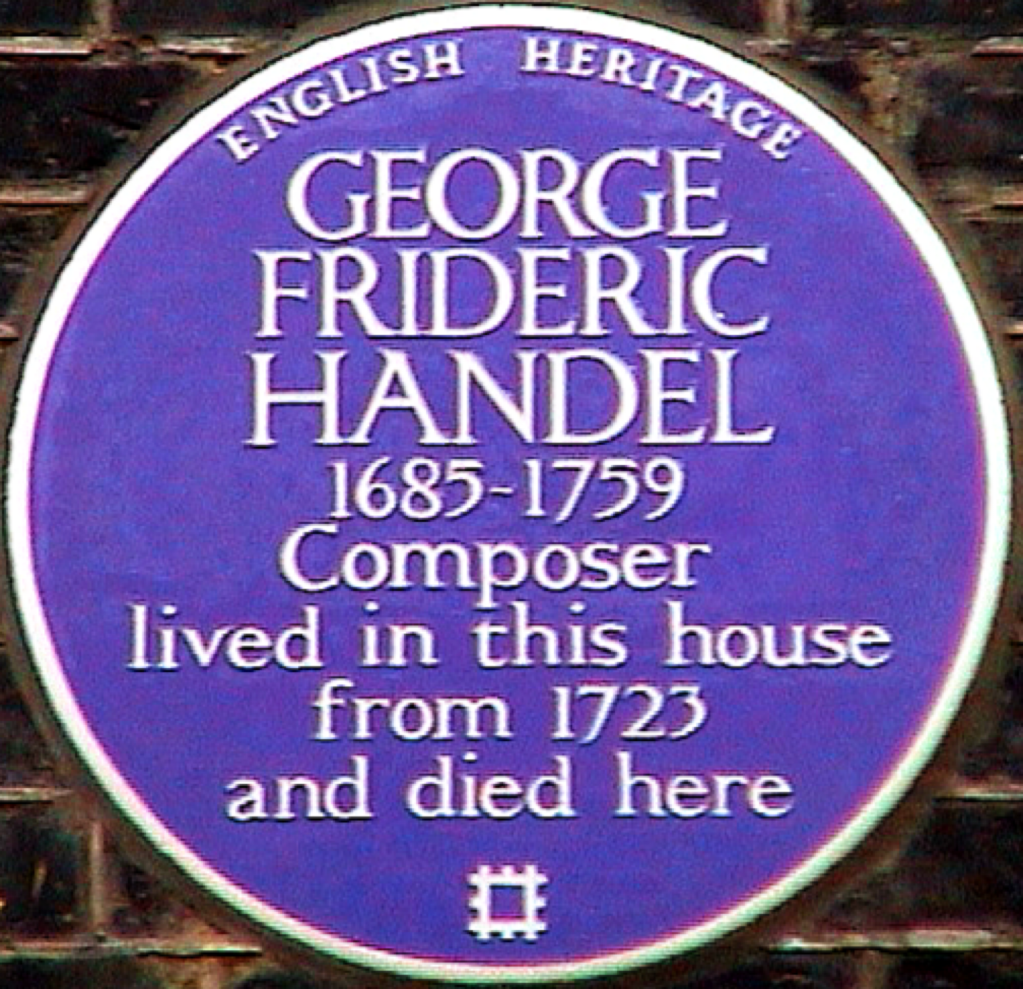
In 1723, Handel leased 25 Brook Street, Mayfair, a Georgian townhouse that served as his home and workspace for 36 years. He composed or completed many of his best-known works there, including Messiah (1741) and Music for the Royal Fireworks (1749). The house became a social hub for London’s musical and aristocratic elite, hosting rehearsals, performances, and royal visits. Today, it is a museum (Handel Hendrix House) that preserves his legacy alongside Jimi Hendrix’s, who lived nearby at 23 Brook Street in the late 1960s.
His involvement in St George’s, Hanover Square further demonstrated his integration into London society. He was a regular worshipper there and, even in later years, as arthritis and failing eyesight took their toll, Handel continued to attend services.
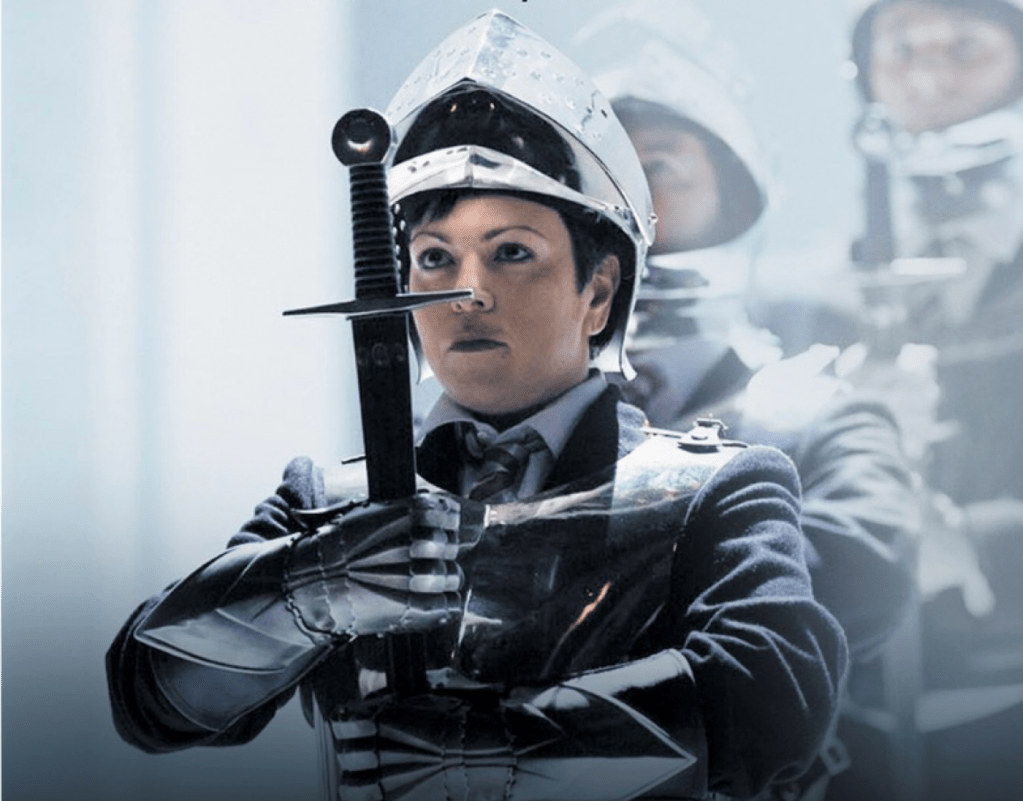
1. Rinaldo (1711) Act III. Battaglia (Sinfonia)
Rinaldo was Handel’s first Italian opera for London, premiering at the Queen’s Theatre, Haymarket, on 24 February 1711. Its success, with 15 performances in its initial season, established his dominance in London’s musical scene. The Act III Battaglia is a fine example of Baroque programme music, depicting a battle with horns, drums, oboes, bassoons, strings, and continuo, which captivated audiences. As a dramatic spectacle, it featured themes of crusades, love, and magic, even political allegory. The groundbreaking orchestral effects conveyed the clash of armies, making it one of the most visceral Baroque works for London audiences. Rinaldo set a template for Handel’s future operas, blending Italian lyricism with German precision, and cementing his reputation for artistic and commercial success.
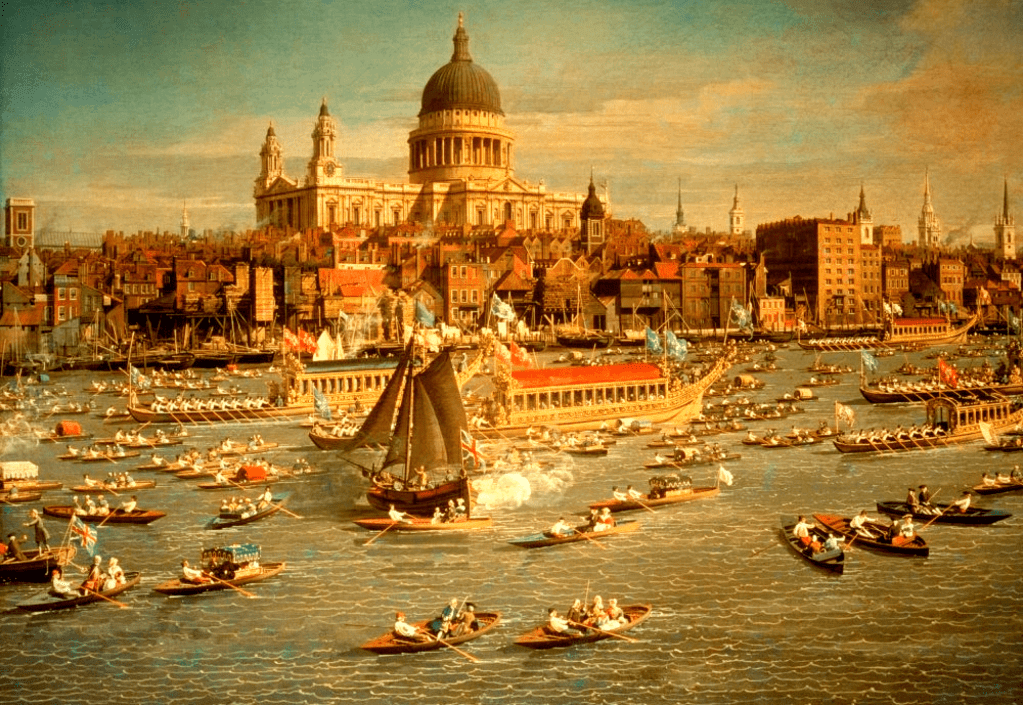
2. Water Music (1717) Suite in F Major, HWV 348 III. Allegro
Water Music is among Handel’s most beloved compositions, created for a grand royal occasion. On 17 July 1717, King George I requested a barge procession on the Thames with a floating orchestra, an event that symbolised Hanoverian power and splendour. Handel’s Water Music accompanied this spectacle, performed on a barge while the king and his guests watched. The Allegro in F Major is a lively, energetic, celebratory piece with fanfare motifs, contrasting dynamics, and dance rhythms. Its festive character suited public ceremonies and enhanced Handel’s court reputation. Unlike his intimate operas, this outdoor piece employed rich orchestration—strings, woodwinds, brass, timpani, harpsichord, and continuo—to produce a majestic backdrop to the whole spectacle. The original score has been lost, and the division into suites is editorial; the precise order is uncertain. Performed three times during the procession, it remains one of Handel’s most popular works, exemplifying Baroque grandeur.
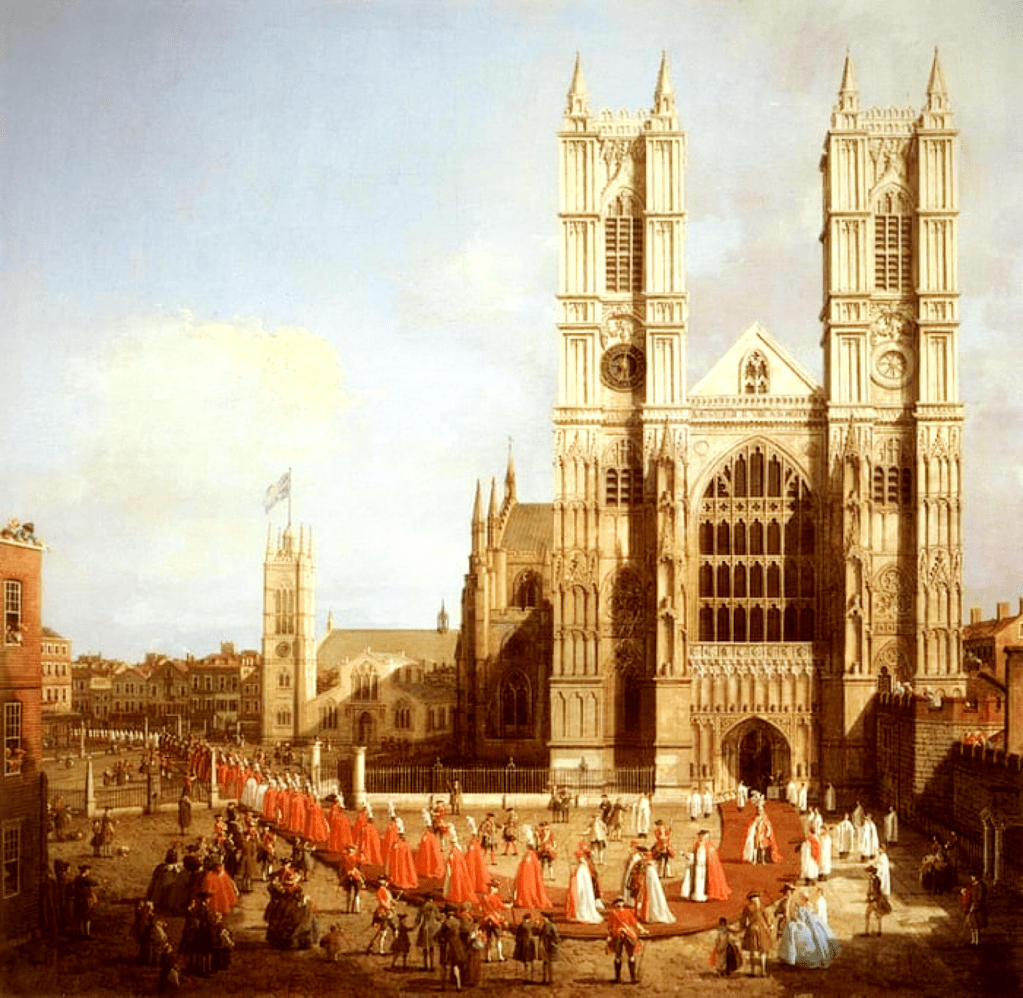
3. Zadok the Priest (1727)
Zadok the Priest is among Handel’s most famous works, composed for the coronation of King George II and Queen Caroline on 11 October 1727. It was one of four anthems Handel wrote for the occasion, and its majestic style contributed to its enduring popularity. This anthem has been performed at every British coronation since its debut, cementing its status as a ceremonial staple. Its lyrics, taken from the Bible (1 Kings 1:38–40), have been in use since 973 AD, but Handel’s composition gave it a new majestic dimension. He adapted Zadok the Priest to suit Westminster Abbey’s acoustics, employing a large choir and orchestra; estimates range around 47 singers and up to 160 instrumentalists, though figures vary. The music combines strength and finesse, reflecting Handel’s adaptation to the occasion. As a symbol of British tradition and continuity, Zadok the Priest’s bold character makes it a favourite at concerts and festivals, highlighting its historic significance through its royal association.
4. Messiah (1742): Why Do The Nations?
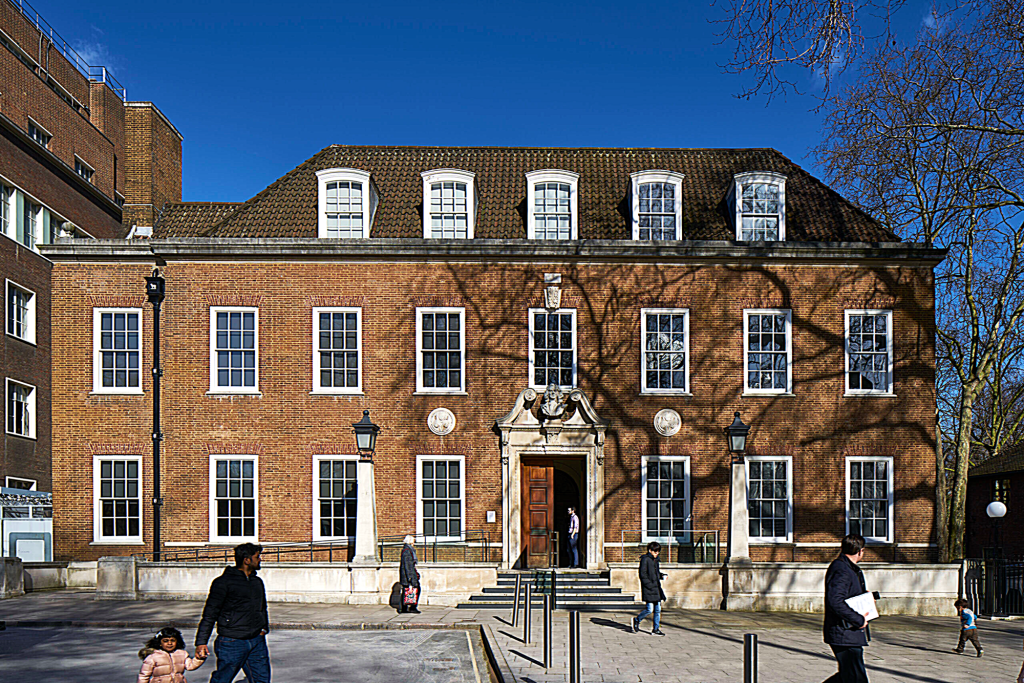
Handel’s Messiah, composed in 1742 and first performed in Dublin that year, is his most renowned work. Its libretto, by Charles Jennens and based on Biblical texts, encompasses 53 sections and lasts nearly three hours. Handel’s philanthropy plays a vital role in the Foundling Hospital’s history, with proceeds supporting the institution he championed throughout his life. The rights to Messiah were left to the hospital in his will. The story of King George II standing during the Hallelujah Chorus in 1743, inspiring others to stand, is a famous legend but not confirmed by contemporary sources; the earliest record appears in 1780. Messiah demonstrates Handel’s mastery in blending sacred and dramatic elements, especially in the chorus Why Do the Nations? with its bold melodies and rich harmonies. Its orchestration features trumpets, timpani, strings, and continuo, creating a sense of grandeur and urgency. The work remains a treasured piece in the classical repertoire, with Mozart arranging it in 1789 for Vienna’s noble households.
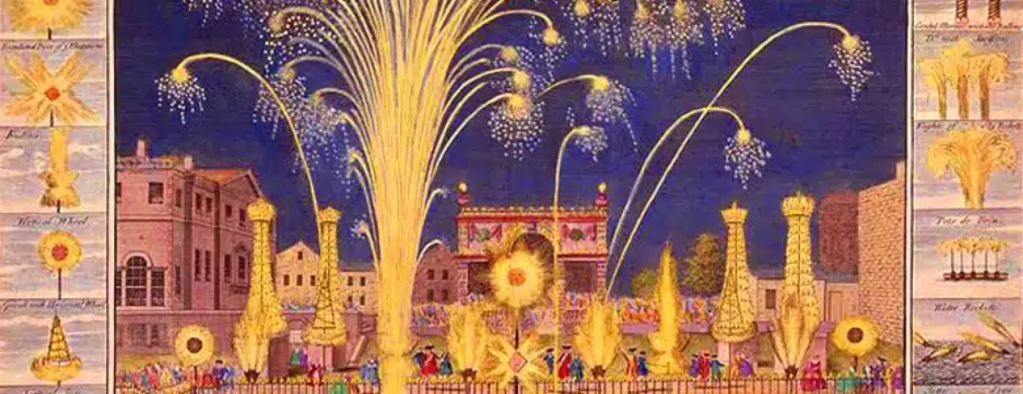
5. Music for the Royal Fireworks (1749) Overture (Original 1749 scoring)
Music for the Royal Fireworks marked the peace treaty of Aix-la-Chapelle (1748), ending the War of Austrian Succession. Commissioned by King George II, it was first performed on 27 April 1749 in Green Park, London, as part of a fireworks display. The rehearsal drew over 12,000 spectators, causing traffic congestion. Although the fireworks themselves failed—part of the pavilion caught fire—the music was successful. The grand and festive Overture symbolised victory, peace, and pride. Originally scored for a large outdoor wind and percussion ensemble, the performance involved over 100 musicians and fireworks. Subsequent indoor versions added strings, influencing many modern editions. The Overture exemplifies Baroque grandeur with fanfares, rhythms, and counterpoint, highlighting Handel’s skill in producing large-scale public spectacles and promoting national unity. It remains one of Handel’s most beloved works, reflecting the Baroque love of spectacle and royal celebrations.
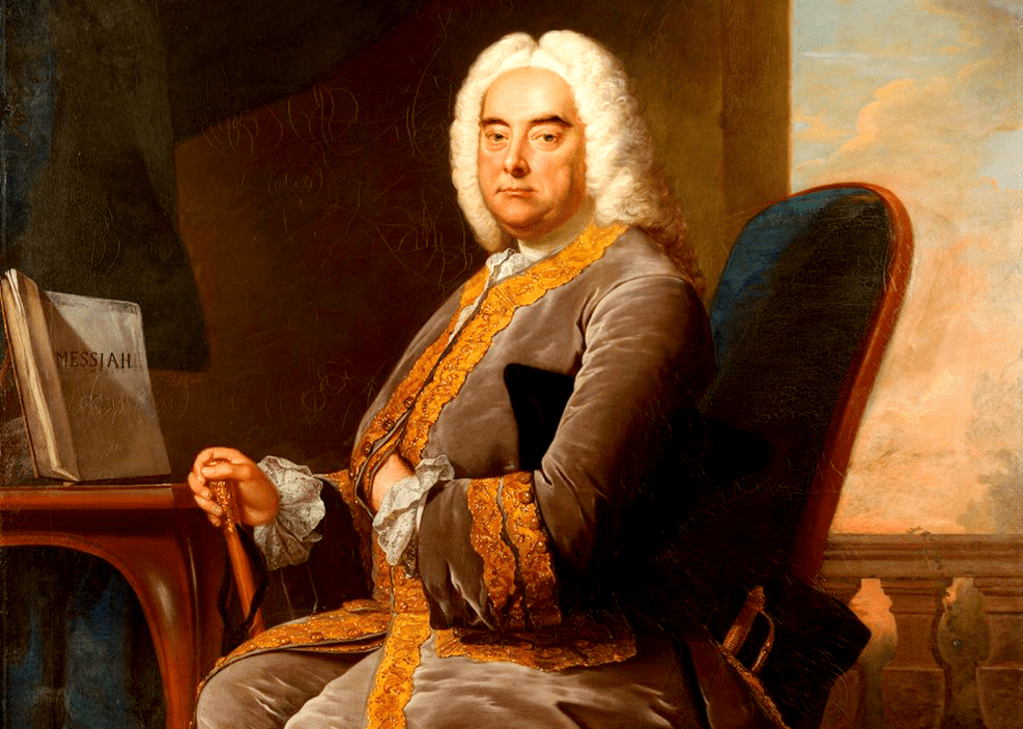
Handel’s music embodied his complex personality. As a larger-than-life figure, he was known for his genius, fiery temper, and generosity. His commanding presence during rehearsals was unmistakable; he was demanding and impatient with incompetence. Burney (1785) describes his “violent temper,” while Hawkins (1776) highlights his impatience. Despite this, he was highly sociable, humorous, and hospitable, enjoying conversation, good food, and friends. Handel actively supported the Foundling Hospital and charity performances, leaving substantial bequests. He thrived on rivalry, overcame health challenges, and adapted seamlessly from Italian opera to English oratorio as musical tastes shifted. His German origins, Italian training, and career in England made him a true cosmopolitan, integrating diverse musical traditions into his enduring legacy.
Handel’s nearly 50 years in London (1712–1759) profoundly impacted both the composer and the city. Starting as a young, driven musician, he became a national icon, shaping London’s musical culture in ways that still influence today. Handel played a key role in establishing London as a leading hub for classical music. His operas, oratorios, and public concerts created numerous opportunities for musicians and set the stage for the city’s future prominence in the genre. His inspiring work influenced countless composers and performers, from Mozart and Beethoven to contemporary artists
This article was researched using primary and secondary sources with the assistance of Le Chat Pro. The research was cross-checked for accuracy.

Leave a comment