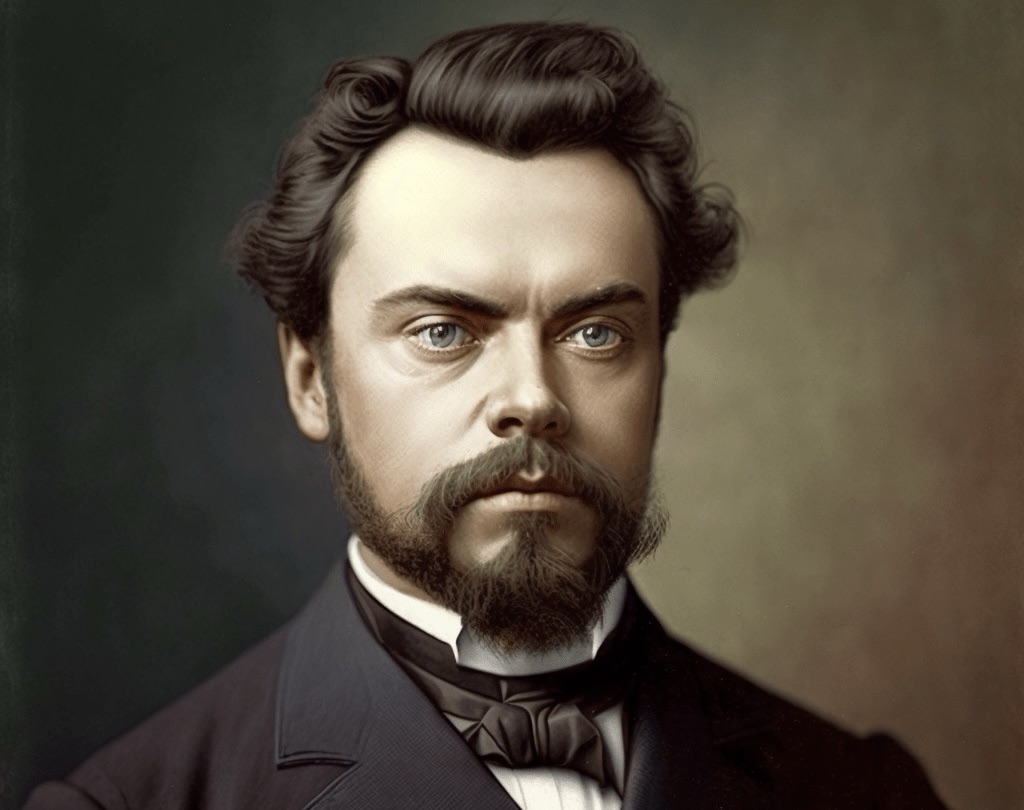
Antonín Dvořák (1841–1904) composed his first five symphonies in Prague during a decade of artistic growth, political turmoil, and cultural revival. Created between 1865 and 1875, these works portray a young composer discovering his voice amidst a city shaping its identity. They reveal a musician influenced by Prague’s divided cultural landscape, the Czech National Revival, and his journey from obscurity to recognition.
A radio broadcast, produced for RTHK Radio 3, is now available on Soundcloud. Musical excerpts in the programme include:
Antonin Dvořák (1841-1904)
Symphony No 1 in C minor IV Finale
Bournemouth Symphony Orchestra
José Serebrier (conductor)
Antonin Dvořák (1841-1904)
Symphony No 2 in Bb major Op. 4 IV. Finale. Allegro con fuoco
Melbourne Symphony Orchestra
Jaime Martin (conductor)
Antonin Dvořák (1841-1904)
Symphony No 3 major in Eb major B.34 I. Allegro moderato
Vienna Philharmonic Orchestra
Myung-Whun Chung (conductor)
Antonin Dvořák (1841-1904)
Symphony No 4 in D minor B.41 III. Scherzo
London Symphony Orchestra
Istvan Kertesz (conductor)
Antonin Dvořák (1841-1904)
Symphony No 5 in F Major P. 56 IV. Finale. Allegro molto
Oslo Philharmonic Orchestra
Mariss Jansons (conductor)
Prague in the 1860s–1870s
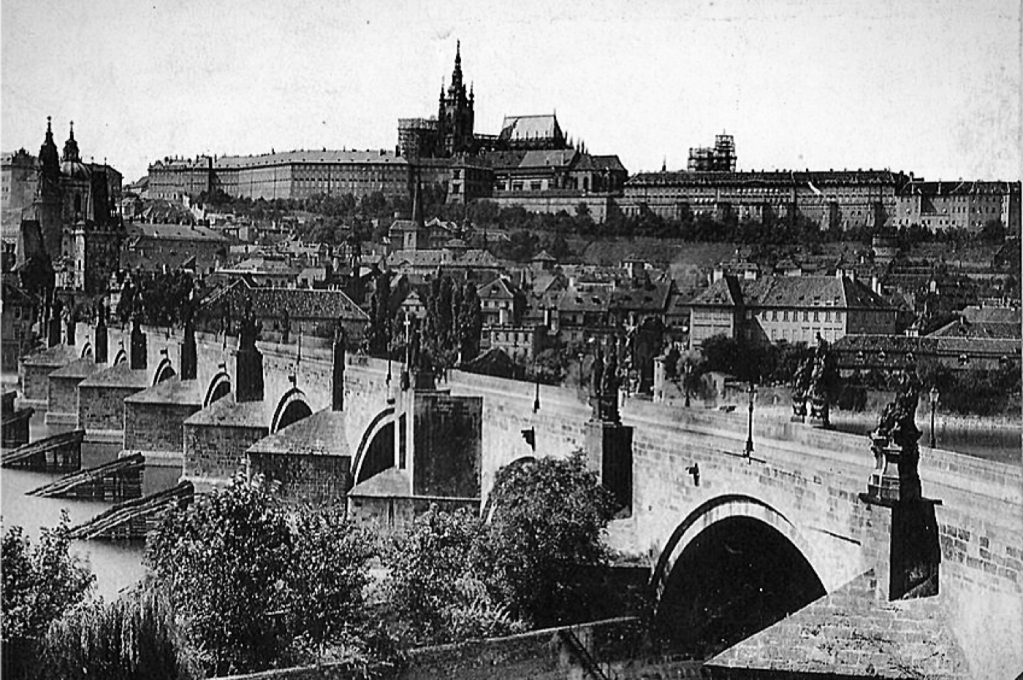
Prague in Dvořák’s early career was a city of contrasts. Under Emperor Franz Joseph I, German culture dominated politics and much of the arts, with the Estates Theatre and Prague Conservatory reflecting Vienna’s influence. Meanwhile, the Czech middle class was asserting its cultural identity. The opening of the Provisional Theatre in 1862 marked a key moment in the Czech National Revival, led by figures such as Palacký, Borovský, and Smetana, which aimed to revive the Czech language, literature, and music.
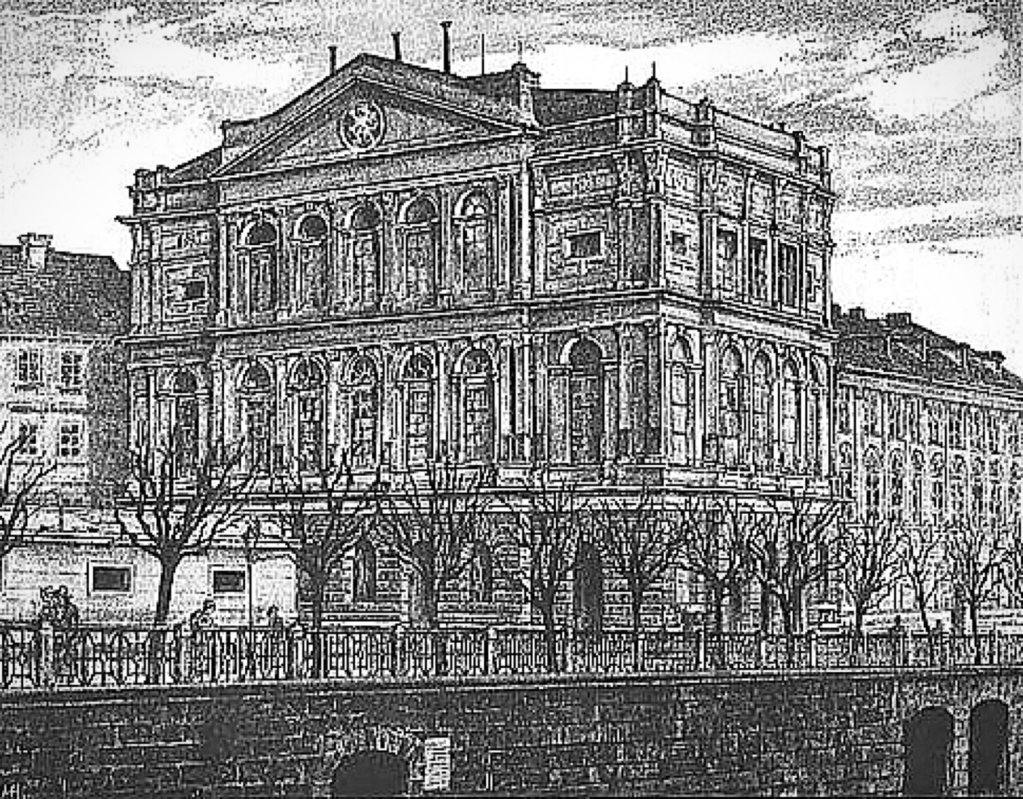
Dvořák was central to this revival. From 1862 to 1871, he played viola in the Provisional Theatre orchestra, taking part in premieres of Smetana’s operas, including The Brandenburgers in Bohemia and The Bartered Bride. However, he also attended German performances, absorbing Wagner’s operas and the discipline of German orchestral techniques. This dual influence—Czech folk vitality and German symphonic craftsmanship—became a defining feature of his early symphonies.
Life, Growth, and Early Hardship
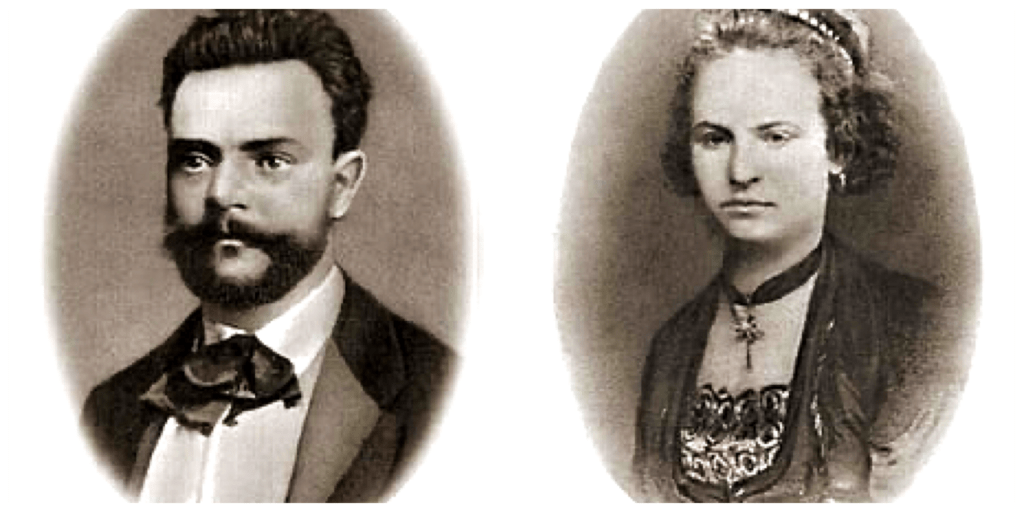
On 17 November 1873, Dvořák married Anna Čermáková, entering a period of personal stability and increased creative output. Despite impending tragedy—the death of their infant daughter Josefa in 1875, followed by two more children in 1877—their modest home during these early years provided a supportive environment for experimentation and refinement. By the mid-1870s, Dvořák was developing a symphonic style that combined Beethoven-like structure, Wagnerian harmonies, and Czech rhythmic vigour. His first five symphonies clearly reflect this progression.
Symphony No. 1 in C Minor, B. 9 (1865):
Composed at age twenty-three, the First Symphony is a bold, ambitious work rooted in Beethoven’s dramatic C-minor tradition. Subtitled The Bells of Zlonice—a title not on the autograph score but later associated with the work by Dvořák himself—the score was entered into a competition in Germany and tragically lost to the composer for the rest of his life. It was never performed during his lifetime, receiving its premiere only on 4 October 1936 in Brno under Milan Sachs. The symphony captures the restless imagination of a young composer testing the boundaries of form and orchestral colour.
Symphony No. 2 in B-flat Major, B. 12 (1865):
Written just months after the First, the Second Symphony reveals Dvořák’s gift for extended melodic writing and expansive structure. Its lyrical tone and relaxed optimism contrast with the intensity of the First Symphony. The slow movement and scherzo demonstrate growing confidence in orchestral texture and rhythmic intricacy. The work’s first—and only—performance during Dvořák’s lifetime took place on 11 March 1888 in Prague, conducted by Adolf Čech.

Symphony No. 3 in E-flat Major, B. 34/Op. 10 (1873):
The Third Symphony marks a major turning point. Composed in 1873 and premiered on 29 March 1874 under Smetana, it is the first of Dvořák’s symphonies to be performed publicly in full. The work reflects his early engagement with Wagnerian harmony and chromatic colour, yet its concise four-movement structure and expressive clarity show a composer starting to forge his identity. The premiere established Dvořák as a serious symphonist within Czech musical life.
Symphony No. 4 in D Minor, B. 41/Op. 13 (1874):
Composed in early 1874, the Fourth Symphony is among Dvořák’s darkest early works, characterised by tense harmonies, dramatic contrasts, and a vigorous scherzo. Although unpublished during his lifetime, the scherzo was performed publicly as early as 25 May 1874 under Smetana. The complete symphony was finally premiered on 6 April 1892, with Dvořák conducting himself. The work shows him moving past imitation towards a more distinctive, assertive symphonic voice.
Symphony No. 5 in F Major, B. 54/Op. 76 (1875):
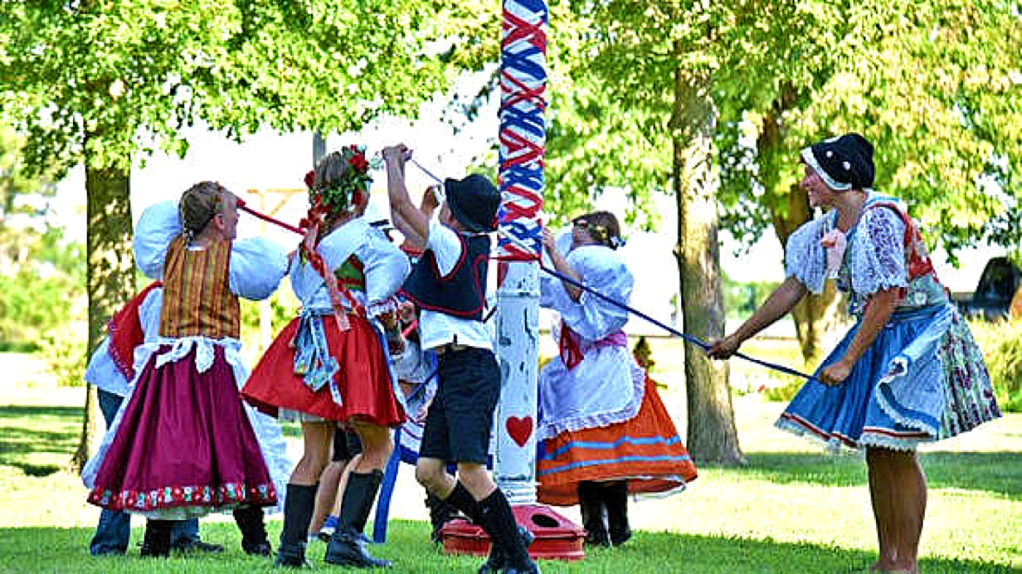
Written in June and July 1875, the Fifth Symphony premiered on 25 March 1879 in Prague under Adolf Čech and later became his first published symphony, issued by Simrock in 1888 as Symphony No. 3 (Op. 76). Its pastoral warmth, melodic ease, and balanced orchestration mark a significant advance in his craft. The scherzo draws on Czechs dance rhythms, aligning with the aims of the National Revival, whilst the finale offers a confident sense of resolution.

The Legacy of the Symphonies
Dvořák’s early symphonies mark a transformative period in Prague’s cultural history, blending Central European traditions with Czech folk spirit. We see a composer experimenting and refining his voice, reflecting Prague’s divided identity, political tensions, and cultural aspirations. By the Fifth Symphony, Dvořák had established himself as a key figure in Czech music, gaining international recognition in the late 1870s and 1880s. These symphonies are notable not only for their musical brilliance but also for telling the story of a city in transition and a young composer on his path to greatness.



Leave a comment