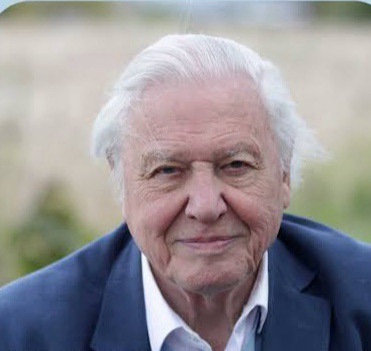
For over seventy years, Sir David Attenborough has been the world’s most trusted guide to the natural world, his voice a steady, humane presence that has fundamentally shaped how we perceive life on Earth. His centenary on 8 May 2026 offers an opportunity to celebrate not only the longevity of his career but also the profound influence he has had on our understanding of the planet.
A radio broadcast, produced for RTHK Radio 3, is now available on SoundCloud, featuring excerpts from Planet Earth, Seven Worlds One Planet, The Blue Planet, The Frozen Planet II and Africa
George Fenton (b. 1949)
Surfing Dolphins from Planet Earth (2006)
BBC Concert Orchestra
George Fenton (conductor)
Jacob Shea
Austrian Hamsters from Seven Worlds One Planet (2019)
Bleeding Fingers Music Orchestra
George Fenton (b. 1949)
Sardine Run from The Blue Planet (2001)
BBC Concert Orchestra
George Fenton (conductor)
Hans Zimmer (b 1957)
Frozen Planet from The Frozen Planet II 2022)
BBC National Orchestra of Wales
Sarah Class
Force of the Whale from Africa (2013)
BBC Concert Orchestra
Elizabeth Purcell (conductor)
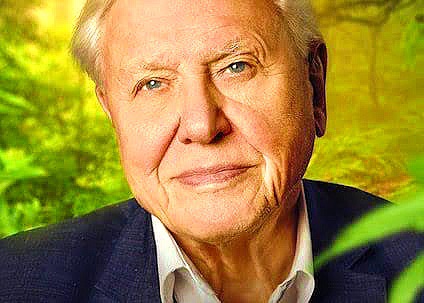
Attenborough was born in Isleworth, London, in 1926, where a childhood fascination with fossils and wildlife sparked a lifelong passion. After earning a degree in Natural Sciences from Clare College, Cambridge, he started working at the BBC as a trainee producer in 1952. His first major series, Zoo Quest (1954–1963), took viewers to remote parts of the world and introduced them to rare animals and distant cultures. This series pioneered a new style of natural history broadcasting, blending scientific accuracy with wonder and amazement, enhanced by Attenborough’s unique tone of delivery. But even at this early stage of his career, music subtly enhanced the storytelling, with light orchestral scores adding excitement and curiosity to each expedition.
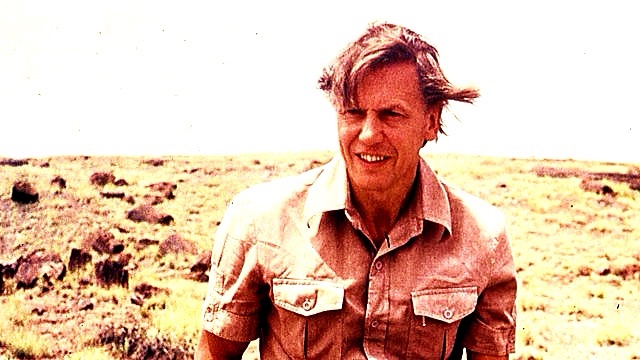
The pivotal moment arrived with Life on Earth in 1979. This groundbreaking series, a survey of all living organisms, reached an estimated 500 million viewers and set a new standard for documentary filmmaking in the Natural History Unit. It was followed by The Living Planet (1984), The Trials of Life (1990), and The Private Life of Plants (1995), each pushing the boundaries of what a nature documentary could achieve. These programmes were more than just educational; they told compelling stories, with their emotional impact heightened by the accompanying music.
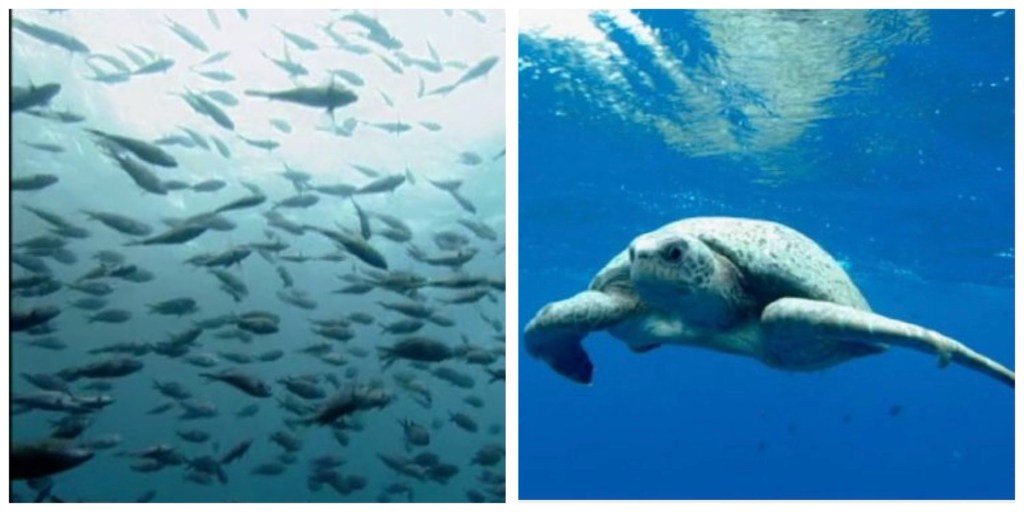
The new millennium saw Attenborough’s work enter a new phase with The Blue Planet (2001) and Planet Earth (2006). These series combined state-of-the-art cinematography with orchestral scores that were as ambitious as the visuals they complemented.
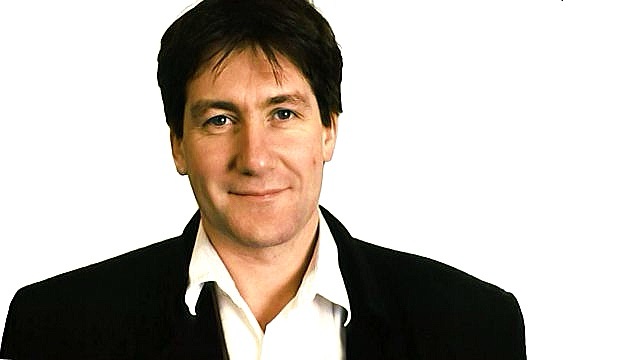
George Fenton, one of Britain’s most highly-regarded composers, brought a lyrical depth to these projects. His music for The Blue Planet—performed by the BBC Concert Orchestra—captured the vastness and mystery of the ocean, while his score for Planet Earth won an Emmy Award in 2007. Fenton’s talent for blending classical traditions with contemporary sounds gave these series a timeless quality, turning scientific observation into a form of artistic expression.
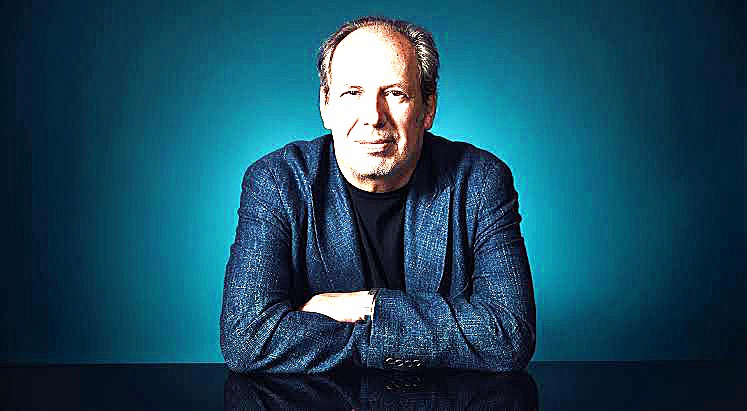
A new wave of composers, led by Hans Zimmer and his collective Bleeding Fingers Music, infused the documentaries with a distinctly different musical style. Zimmer, renowned for his blockbuster Hollywood film scores, introduced expansive, cinematic sounds with an emphasis on colour and texture.
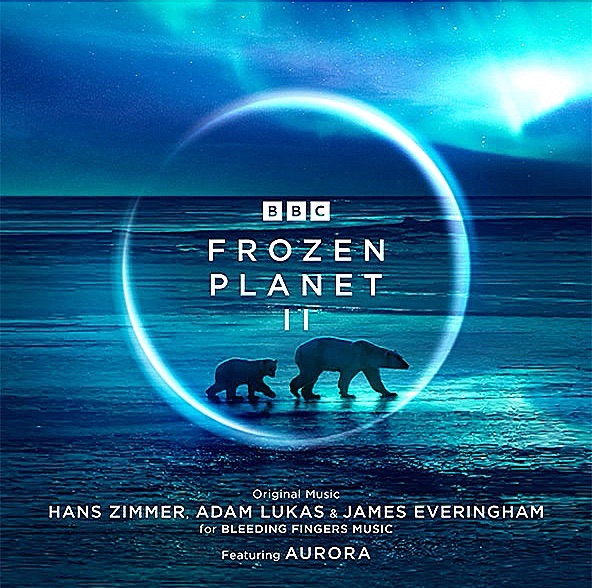
His music for Planet Earth II (2016) and Blue Planet II (2017) combined orchestral and electronic elements, creating a sound at once modern and emotional. The theme for Frozen Planet II (2022), composed by Adam Lukas, James Everingham, and Zimmer, and performed by the BBC National Orchestra of Wales, underscored the awe and fragile beauty of the polar regions.
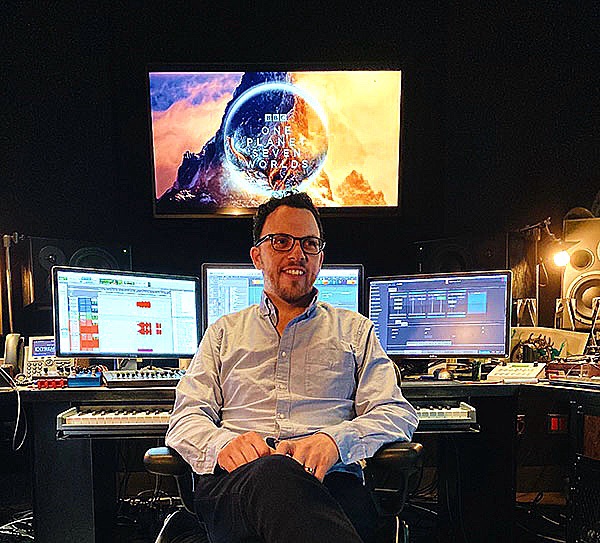
Other composers have contributed to the evolving musical landscape of Attenborough’s films. Jacob Shea’s playful, rhythmic cues for Seven Worlds, One Planet reflected the animals’ quirky behaviours, transforming scientific observation into character-driven drama. Sarah Class’s score for Africa blended intimacy with grandeur, evoking both the majesty and vulnerability of the continent’s wildlife. In A Life on Our Planet, Steven Price’s thoughtful compositions for piano and strings amplified Attenborough’s reflections on climate change, turning the documentary into a deeply personal testament.
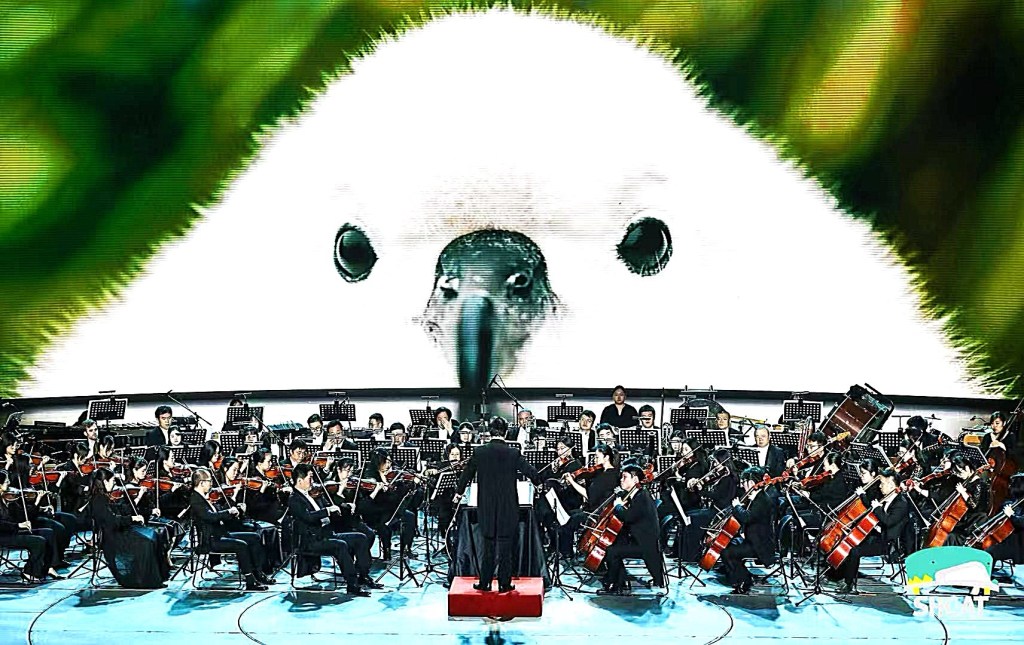
The music in these programmes has never been merely background. It has been part of the story, influencing how we perceive what we see and strengthening our emotional bonds with the natural world. The impact of these soundtracks extends beyond the screen: today, the music from Attenborough’s documentaries is celebrated in its own right, with live orchestral performances of Blue Planet in Concert and Planet Earth Live touring worldwide. These concerts, often featuring clips from the series, introduce the scores to new audiences, blending education with entertainment at venues such as the Royal Albert Hall and the BBC Proms.
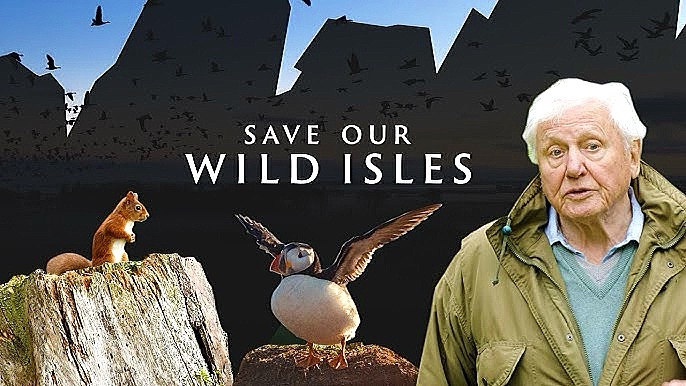
Even in his later years, Attenborough remains active. The Green Plane‘ (2022) explored the hidden lives of plants, while Wild Isles (2023) celebrated Britain’s natural heritage. Planet Earth III (2023) continued the tradition of integrating technological innovation with narrative wonder, as part of the Studio’s Natural History Unit. Although he no longer travels extensively, his voice and influence remain central to these productions, as his legacy extends through mentoring younger filmmakers and conservationists.
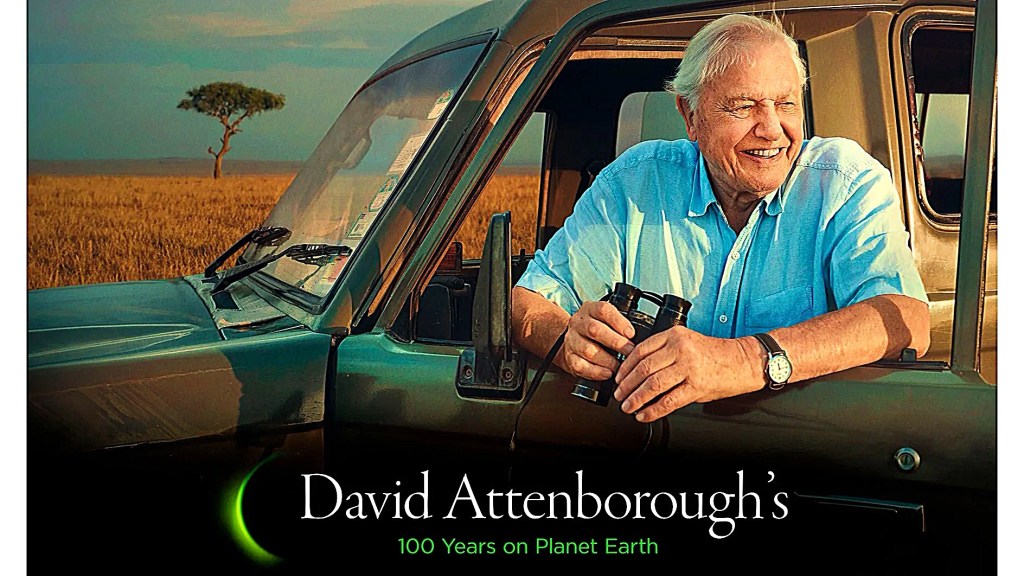
His programmes have continuously advanced the craft of documentary filmmaking, from the earliest colour broadcasts to the use of 4K and 8K technology. Perhaps his greatest achievement has been transforming science into a compelling story and a call to responsibility in shaping the future of our planet. As his hundredth year is marked with tributes, retrospectives, and live performances of the music that has defined his career, it is clear he has helped millions see the natural world not as a distant spectacle but as a shared inheritance that demands our care.
This article was researched using primary and secondary sources with the assistance of Le Chat Pro. The research was cross-checked for accuracy.




Leave a Reply