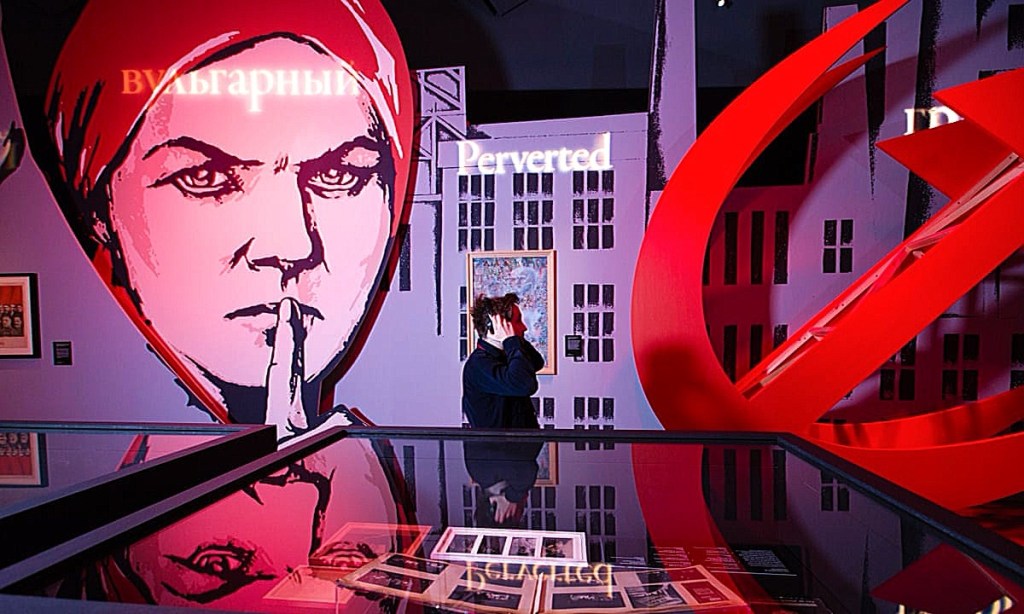
Opera is often great spectacle—world class voices, lavish staging, and plots that stretch the imagination. Yet there are great operas that strip away the glamour to reveal something much more basic: human fragility, oppression, guilt, and the real cost of defying the status quo. In Nabucco, Boris Godunov, Wozzeck, Fidelio, and Lady Macbeth of Mtsensk, individual suffering is transformed into a public drama, and personal struggles reflect the societies that shape them.
A radio broadcast, produced for RTHK Radio 3, is now available on SoundCloud, featuring excerpts from Lady Macbeth of Mtsensk, Nabucco, Boris Godunov, Wozzeck and Fidelio
Dmitri Shostakovich (1906-1975)
Lady Macbeth of Mtsensk (1934)
Act 1, Scene 2, Orchestral Interlude
Paris National Opera Orchestra
Myung-Whun Chung (conductor)
Giuseppe Verdi (1813-1901)
Nabucco (1842)
Track: “Va, pensiero” (Act III – Chorus of the Hebrew Slaves)
Vienna State Opera Orchestra and Chorus
Lamberto Gardelli (conductor)
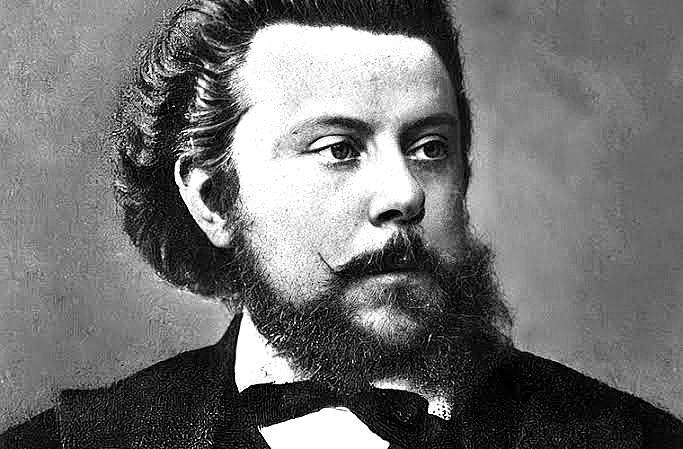
Modest Mussorgsky (1839-1881)
Boris Godunov (1872)
Choir and Orchestra of the Bolshoi Theatre
Mark Ermier (conductor)
Alban Berg (1885-1935)
Wozzeck (1925)
Track: Act III Scene 5
Paris National Opera Orchestra and Chorus
Pierre Boulez (conductor)
Ludwig van Beethoven (1770-1827)
Fidelio (1814)
Berliner Philharmoniker
Arnold Schoenberg Choir
Sir Simon Rattle (conductor)
These operas remain relevant because their characters feel authentic and complex. They are seldom simply heroes or villains. Instead, they are flawed, conflicted, and recognisably human: rulers haunted by their choices, prisoners holding onto hope, women trapped by patriarchal expectations, and outcasts worn down by systems of power. At their best, these works challenge us not with easy moral judgments, but to recognise similar pressures in our own lives.
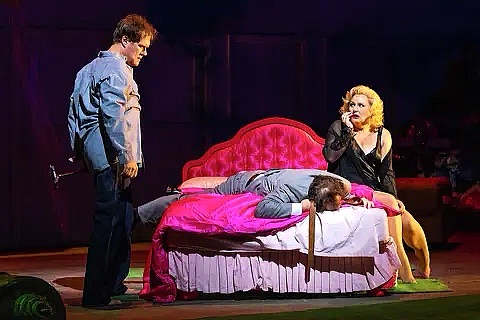
Dmitri Shostakovich’s Lady Macbeth of Mtsensk places Katerina Izmailova at the centre of such a moral crisis. She poisons her father-in-law and later strangulates her husband to be with her lover, Sergei. Her crimes are brutal, but the opera refuses to depict her as a mere monster. Katerina is also a victim, trapped in a world where desire, independence, and even tenderness are denied her. By the time she is exiled to Siberia in a chain gang, refusing to apologise, she becomes a tragic symbol of a mind warped by repression and solitude. Today, as we continue debating the role of women and the price of resistance, her story feels strikingly relevant.
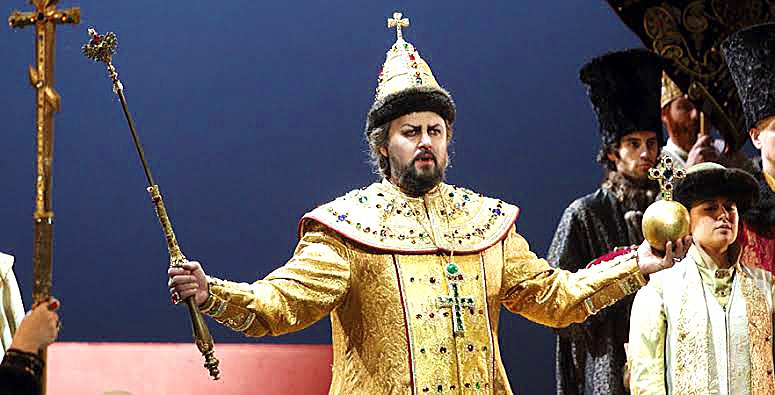
Modest Mussorgsky’s Boris Godunov presents a different tragedy, centred on a ruler whose authority is undermined by inner torment. Boris is haunted by the suspicion that he murdered the young heir to the throne. The opera never confirms his guilt, but the burden of the accusation alone consumes him. Mussorgsky presents not a caricature of tyranny, but a man worn down by fear, remorse, and the fragility of his own legitimacy. In the scene where Boris hears the clock strike and hallucinates the ghost of the murdered boy, psychological realism takes centre stage, and the opera becomes a powerful reflection on the toll that power takes on the conscience.
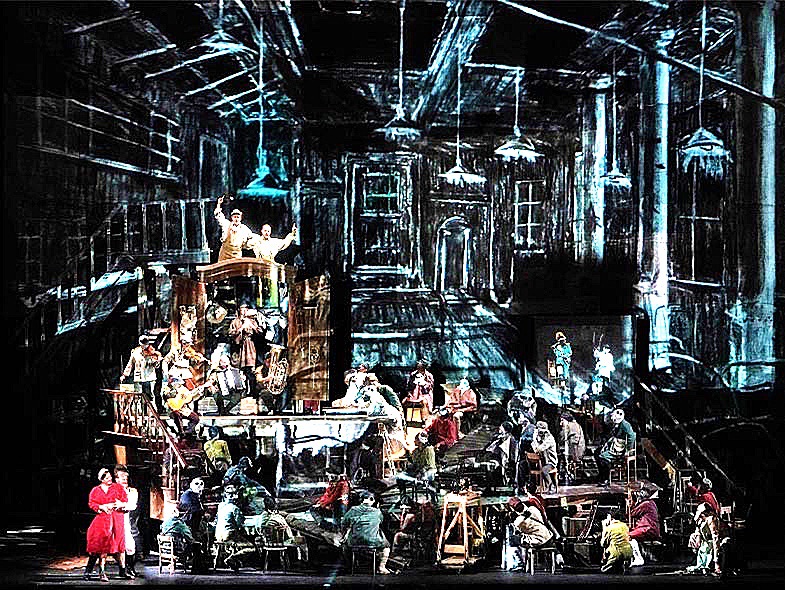
Alban Berg Wozzeck Metropolitan Opera House 2019
Alban Berg’s Wozzeck is perhaps the bleakest of all. Its protagonist, a poor soldier, is exploited by the Captain, tormented by the Doctor’s experiments, and further destabilised by Marie’s infidelity. His murder of Marie and his own death feel less like isolated acts than the logical culmination of a life crushed by social contempt and material insecurity. The final image—children playing as Wozzeck’s body is pulled from the lake—underscores how easily suffering can be ignored, making the work a stark commentary on mental fragility, poverty, and systemic indifference.
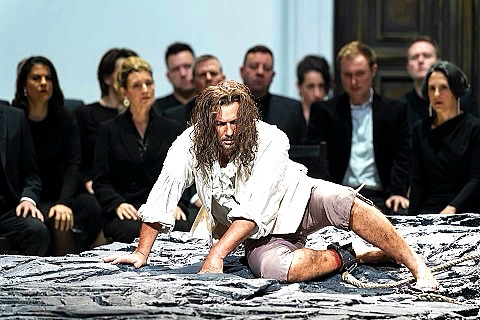
Beethoven’s Fidelio is distinct in tone, yet it shares the same concern with dignity under pressure. Florestan, a political prisoner, is near death but refuses to abandon his moral integrity. His wife Leonore, disguised as a man named Fidelio, infiltrates the prison to rescue him. Her disguise not only drives the plot; it also prompts reflection on gendered roles and the courage needed to step outside convention. The famed prisoners’ chorus expands the drama from individual rescue to collective hope, transforming confinement into a shared cry for freedom. Even so, the opera’s conclusion does not wholly restore the world. Oppression persists, even when justice is achieved for one person.
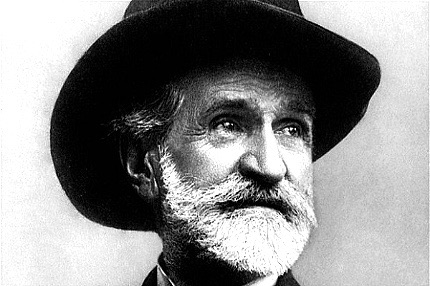
A common thread linking these works is their exploration of power and its corruption. Boris and Nabucco start as rulers, yet their authority is shadowed by guilt, ambition, or vulnerability. Their stories suggest that power without moral restraint can distort not only those beneath it but also those who wield it—a sobering warning for any era in which legitimacy and accountability are contested.
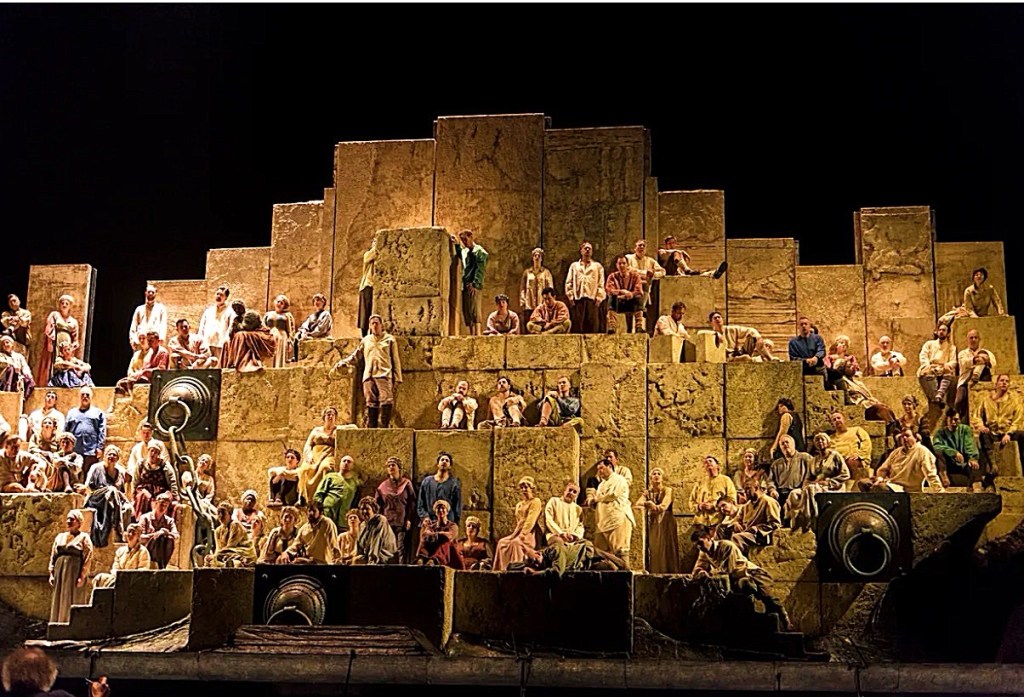
In Nabucco, Giuseppe Verdi’s chorus Va, pensiero later gained a life beyond the opera itself, becoming associated with the Italian Risorgimento and the desire for national unity. Verdi did not compose it as an explicit political anthem, but its emotional strength and the context of his life under Austrian rule gave it a potent patriotic resonance. The Hebrew captives’ lament for their lost homeland speaks to a universal yearning for freedom and belonging, making it one of the most enduring choral moments in the repertoire.
In all three works, choruses do more than support the action; they embody the drama’s social world. In Nabucco, the enslaved Hebrews sing of exile and loss. In Boris Godunov, the people become a collective voice that reflects national anxieties. In Fidelio, the prisoners’ chorus turns confinement into a shared act of resistance. These ensembles remind us that oppression is often collective, as is the struggle against it.
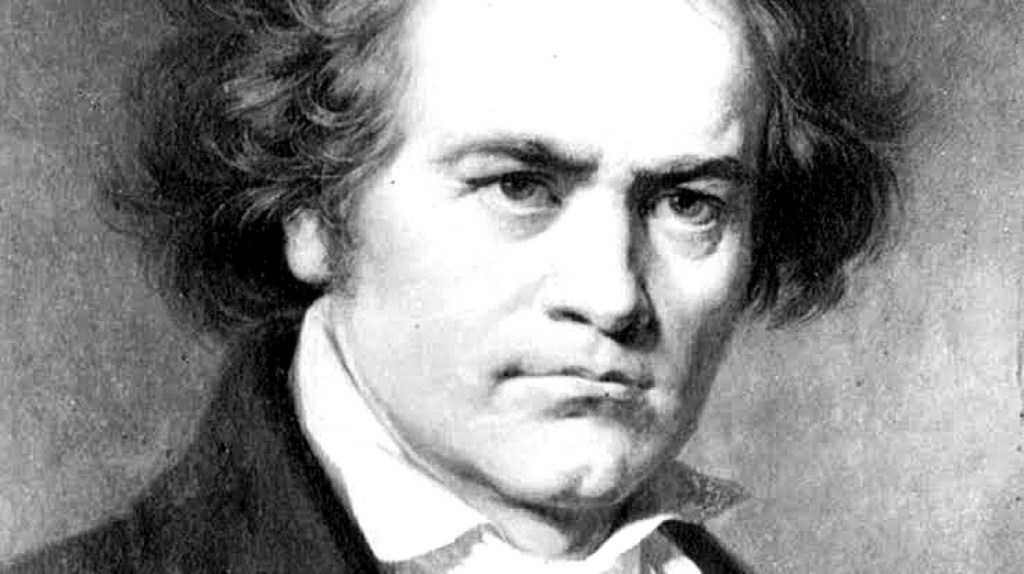
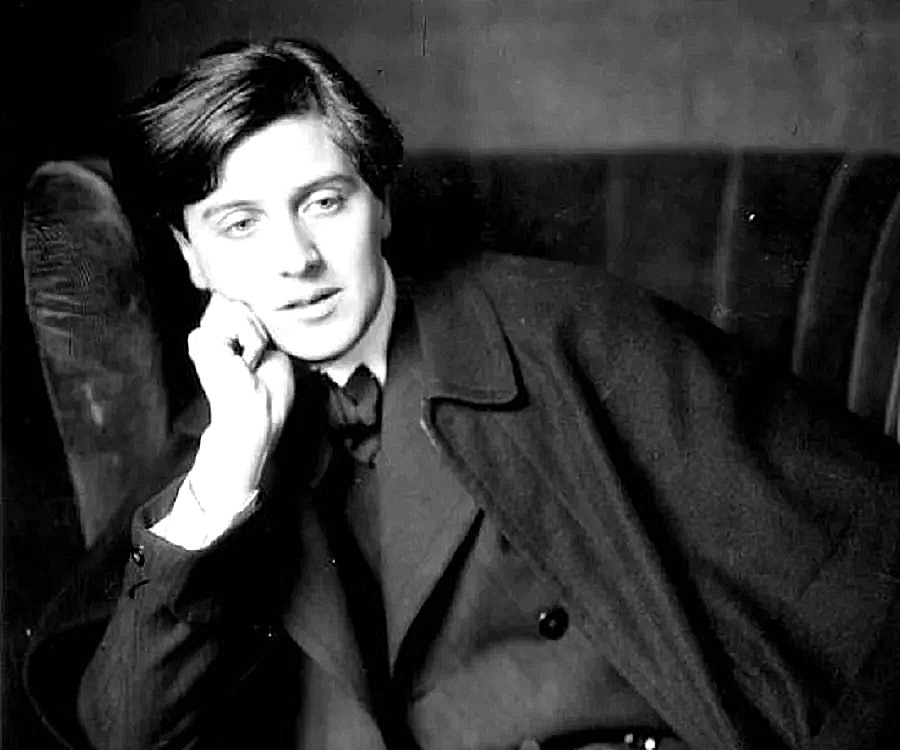
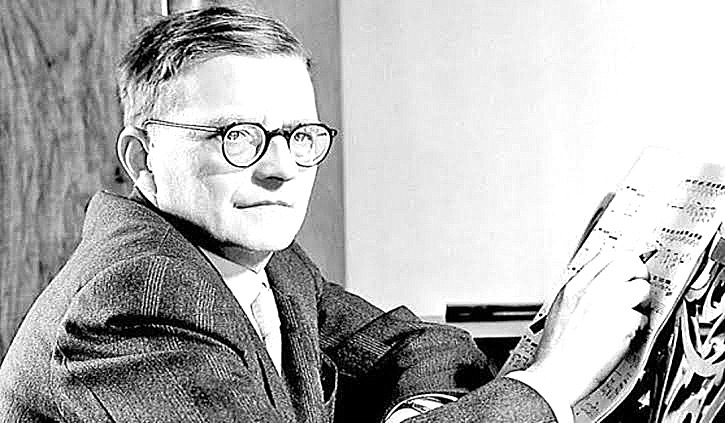
The composers’ lives deepen this connection. Beethoven wrote Fidelio while grappling with progressive deafness and the political upheaval of Napoleonic Europe. Verdi lived under Austrian rule in Italy and faced censorship throughout his career. Mussorgsky struggled with alcoholism, poverty, and depression. Berg encountered criticism and marginalisation during his lifetime. Shostakovich composed Lady Macbeth of Mtsensk under Stalin’s terror, and the opera was later condemned by Soviet authorities, most notoriously after Stalin attended a performance and Pravda published its denunciation.
These operas endure because they do not offer simple answers or tidy moral resolutions. They confront the complexity of justice, power, and human suffering with uncompromising honesty. If dignity in these works is not about innocence or perfection, it is about the refusal to be broken—about continuing to struggle, resist, and hope even when the odds seem insurmountable. In that sense, they do not merely document history; they speak directly to the ongoing human fight for dignity in a world that too often feels unjust, indifferent, or cruel.
This article was researched using primary and secondary sources with the assistance of Le Chat Pro. The research was cross-checked for accuracy.


Leave a comment